8 Common Myths About Natural Stone: What Homeowners Should Know

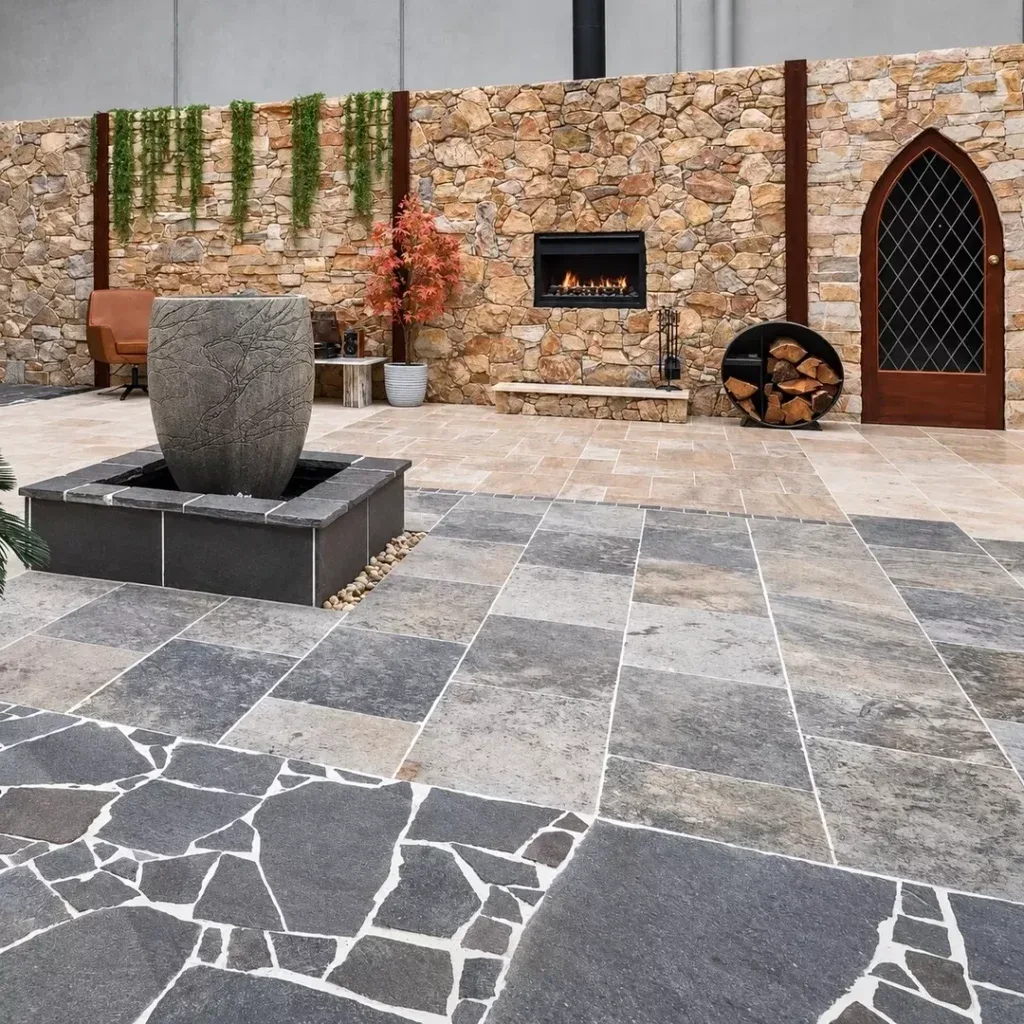
Natural stone looks beautiful in a home, but it’s often surrounded by misconceptions. Some homeowners worry about the cost. Others assume it’s too slippery for pool areas, difficult to clean or likely to crack.
The truth is that natural stone isn’t a single material. Limestone, granite, bluestone and travertine all have different qualities, and much depends on where and how they’re installed.
Before ruling out stone for your next project, let’s clear up eight common myths about natural stone and what they actually mean for Australian homes.
In this guide
- Myth 1: Natural Stone Is Always Expensive
- Myth 2: Natural Stone Is Difficult to Maintain
- Myth 3: Natural Stone Becomes Slippery When Wet
- Myth 4: Natural Stone Cracks Easily
- Myth 5: Natural Stone Needs Sealing Every Year
- Myth 6: Natural Stone Only Suits Expensive or Traditional Homes
- Myth 7: Natural Stone Gets Too Hot in Australian Summers
- Myth 8: All Natural Stones Are Basically the Same
- FAQs About Natural Stone
- Choosing Natural Stone With Confidence
Myth 1: Natural Stone Is Always Expensive
Natural stone has a reputation for being a luxury material, but that doesn’t mean every stone comes with a luxury price tag.
Prices vary depending on the stone type, finish, thickness and size. Some options are more affordable than others, particularly when you consider how long a properly installed surface can last.
A stone patio that remains in good condition for decades may offer better long-term value than a cheaper surface that needs replacing sooner.
What matters: Compare the total cost of materials, installation and future maintenance rather than choosing on price alone.
Myth 2: Natural Stone Is Difficult to Maintain
You don’t need to spend every weekend cleaning your stone patio.
Most natural stone surfaces can be maintained with regular sweeping, occasional washing and prompt attention to spills. The trick is using products suited to the material.
For example, acidic cleaners such as vinegar can damage limestone and travertine, while aggressive pressure washing can wear away softer stone surfaces.
A pH-neutral cleaner and a soft brush are generally a good starting point. Our guide on how to clean natural stone pavers covers safe cleaning methods for different materials.
What matters: Understand your stone’s care requirements before installation. Proper maintenance is usually straightforward.
Myth 3: Natural Stone Becomes Slippery When Wet
Picture a freshly paved pool area after someone has climbed out of the water. The last thing you want is a dangerously slippery surface.
This is a valid concern, but not all natural stone finishes behave the same way.
A highly polished surface may offer less grip when wet, while textured finishes can provide better traction.
For instance, bluestone pavers come in honed, flamed and sawn finishes, each with a different surface texture.
What matters: Choose stone with a slip-resistance classification suitable for the intended location, especially around pools, steps and outdoor pathways.
Myth 4: Natural Stone Cracks Easily
Natural stone has been used in buildings, gardens and public spaces for centuries. It can be remarkably durable when chosen and installed correctly.
Problems often arise when the stone is too thin for its intended use or laid over an unstable foundation.
A garden pathway doesn’t carry the same loads as a driveway. Likewise, a decorative wall needs different materials and installation methods from a heavily used outdoor floor.
What matters: Match the stone’s strength and thickness to the application, and ensure the base and installation are suitable.
Myth 5: Natural Stone Needs Sealing Every Year
You’ve probably heard that natural stone must be resealed annually. That’s not always necessary.
Sealing requirements depend on the stone’s porosity, exposure, traffic and the sealer used.
Some porous stones, including many limestone and travertine products, benefit from protective sealing to reduce moisture absorption and staining.
Other materials may have different maintenance needs.
Sealers also aren’t permanent shields. Spills should still be cleaned promptly, and acidic substances can damage certain stones even after sealing.
What matters: Follow the supplier’s recommendations and assess the condition of the surface rather than relying on a fixed annual schedule.
Myth 6: Natural Stone Only Suits Expensive or Traditional Homes
Natural stone isn’t reserved for grand entrances and luxury properties.
Think of a simple Melbourne courtyard with charcoal paving, a coastal patio finished in pale limestone or a contemporary home featuring a textured stone wall.
Even a small amount of stone can make a noticeable difference.
Modern exterior stone cladding comes in different colours and profiles, making it suitable for everything from entry pillars to feature walls.
What matters: The stone’s colour, size, texture and laying pattern influence the final appearance. Natural stone can suit almost any architectural style.
Myth 7: Natural Stone Gets Too Hot in Australian Summers
Some natural stone surfaces can become uncomfortably hot in direct sunlight, particularly darker colours.
However, not every stone absorbs and retains heat in the same way.
Lighter-coloured materials generally absorb less solar energy than darker surfaces. This is one reason pale limestone and travertine pavers are often considered for sunny patios and pool surrounds.
That doesn’t mean they’ll always stay cool. On extremely hot days, any sun-exposed paving may become uncomfortable under bare feet.
What matters: Consider colour, finish, shade and sunlight exposure before choosing outdoor paving.
Myth 8: All Natural Stones Are Basically the Same
This misconception can lead to some expensive mistakes.
Limestone, sandstone, bluestone, granite and travertine may all be natural stones, but they differ in hardness, porosity, appearance and maintenance requirements.
Here’s a quick comparison:
| Natural stone | Common applications | What to consider |
| Limestone | Patios, pool surrounds, walling | Porosity and acid sensitivity |
| Travertine | Courtyards, pools, pathways | Sealing and surface finish |
| Bluestone | Patios, steps, pathways | Heat and slip resistance |
| Granite | Driveways, high-traffic paving | Finish and installation |
| Sandstone | Garden paths, feature walls | Moisture absorption |
The right choice depends on what you want the stone to do, not just how it looks in a showroom.
What matters: Always check the specifications of the actual product before choosing it for your project.
FAQs About Natural Stone
Is natural stone better than porcelain?
Both have advantages. Natural stone offers unique textures and natural colour variation, while porcelain generally provides greater consistency and lower water absorption. Your choice depends on the application, budget and preferred appearance.
Can natural stone be used around swimming pools?
Yes. Limestone, travertine, bluestone and granite can be suitable for pool surrounds. Choose a product and finish that meet the area’s slip-resistance, moisture and installation requirements.
How long does natural stone last?
Properly selected and installed natural stone can last for decades. Its lifespan depends on the material, exposure, quality of installation and maintenance.
Choosing Natural Stone With Confidence
Most myths about natural stone come from assuming every material behaves the same way.
The key is choosing a stone that suits your space, from the right surface finish for a pool surround to the appropriate thickness for a busy pathway.
At Splendour in Stone, we offer natural stone paving and walling options for Australian homes. Whether you’re planning a courtyard, updating an outdoor entertaining area or adding texture to your home’s exterior, our range can help you find a material that fits your project.