

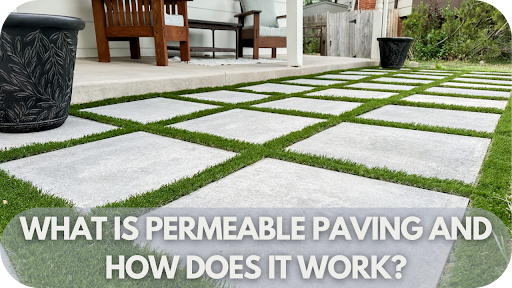
Heavy rain can quickly expose weak outdoor drainage. Water starts pooling on driveways, paths, patios and garden areas, leaving surfaces slippery, messy and harder to maintain.
Permeable paving offers a smarter way to manage water by allowing rain to pass through the paved surface and drain into the ground below. This helps reduce runoff, support natural drainage and protect surrounding landscapes.
This guide explains what permeable paving is, how it works, the best natural stone pavers for drainage, where to use them, how to install them properly and how to maintain long-term performance.
What Is Permeable Paving?
Permeable paving is a paving system designed to let rainwater pass through the surface, filter through the base layers and drain into the ground below. Instead of forcing water to run across hard surfaces, it helps manage stormwater where it falls.
This system can be created with permeable pavers, natural stone, gravel, porous concrete or open-jointed paving layouts. The key feature is that water can move through the joints, gaps or surface structure instead of collecting on top.
For Australian homes, permeable paving is useful in driveways, garden paths, patios, courtyards and water-smart landscapes. It helps reduce surface runoff, improve drainage, support groundwater recharge and make outdoor areas more practical during wet weather.
How Do Permeable Pavers Work?

Permeable pavers work by allowing rainwater to move through the paved surface instead of flowing across it. The system uses open joints, gravel gaps or porous materials to guide water into the layers beneath the pavers.
Rainwater reaches the surface
When rain falls, the water lands on the paved area. Unlike sealed concrete or asphalt, permeable paving gives the water a pathway to move downward rather than spreading across the surface.
Water passes through the joints
The gaps between the pavers are usually filled with small stones or permeable jointing material. These joints allow water to filter through while keeping the surface stable for walking, parking or outdoor use.
The base layers store and filter water
Below the pavers, a prepared gravel or crushed rock base temporarily holds the water. As the water moves through these layers, sediment and debris are filtered before it reaches the soil.
Water drains into the ground
After passing through the base layers, the water slowly infiltrates the ground below. This helps recharge the soil, reduce pressure on stormwater drains and lower the risk of surface flooding.
The surface stays more usable
Because water drains through the system, permeable paving helps reduce puddles, slippery surfaces and waterlogged outdoor areas after rain. This makes it useful for driveways, paths, patios, courtyards and garden spaces.
Best Natural Stone Pavers for Drainage
The best natural stone pavers for drainage are durable, stable and suitable for open-jointed installation. Water usually drains through the gaps between each paver, so the stone must stay strong while the base and joints manage water movement below the surface.
1. Granite Pavers
Granite pavers are a strong choice for permeable paving where durability matters. Their dense structure handles foot traffic, outdoor furniture and vehicle pressure well, making Granite Grey suitable for driveways, paths and high-use outdoor areas that need a stable, drainage-friendly surface.
In permeable layouts, granite works best with textured finishes and properly spaced joints. The surface stays stable, while the joint gaps allow rainwater to move into the drainage layers beneath.
2. Bluestone Pavers
Bluestone is another reliable option for drainage-focused outdoor paving. It offers a bold, architectural look and performs well in courtyards, pathways, patios and entry areas.
Textured bluestone finishes can improve grip in wet conditions, which makes bluestone flamed practical for spaces exposed to regular rainfall. When installed with a suitable base and open joints, bluestone can support both drainage performance and a clean, modern finish.
3. Porphyry Pavers
Porphyry works well in permeable paving designs because of its natural texture, irregular character and strong outdoor performance. Porphyry Cobble is especially useful for garden paths, transition zones, rustic landscapes and areas where a more organic surface is preferred.
Its varied shapes and split surfaces can help create natural drainage channels when laid with suitable joint spacing. Porphyry is also useful on landscapes that need grip, texture and visual movement.
4. Limestone Pavers
Limestone is a good option for water-smart landscapes, patios and garden walkways where a softer, refined finish is desired. Its natural texture can help create a comfortable surface while still supporting drainage through open joints.
Limestone works best in permeable systems when paired with correct base preparation, suitable spacing and breathable jointing materials. It is well-suited to outdoor areas where appearance, comfort and drainage all matter.
5. Travertine Pavers
Travertine is useful for permeable paving around pool surrounds, sunny paths, courtyards and relaxed outdoor spaces. Its natural pits and surface texture give it a breathable quality that suits water-conscious landscape design.
In open-jointed layouts, travertine can help reduce surface water while adding a warm, timeless appearance. It is also comfortable underfoot, making it a practical choice for outdoor areas used frequently during warmer weather.
Benefits of Permeable Paving

Permeable paving is useful because it manages rainwater naturally while still creating strong, attractive outdoor surfaces. It is especially valuable in areas where water pooling, runoff or poor drainage affects driveways, paths, courtyards and garden zones.
Reduces Surface Runoff
Permeable paving allows rainwater to move through the paved surface instead of rushing across it. This helps reduce the volume of water flowing into stormwater drains, garden beds or neighbouring areas during heavy rain.
Minimises Pooling and Flooding
Because water drains through the joints and base layers, permeable paving helps prevent puddles from forming on the surface. This makes outdoor spaces safer and easier to use after rainfall.
Supports Groundwater Recharge
Instead of directing rainwater away from the property, permeable paving allows water to return to the soil below. This supports natural groundwater recharge and helps maintain healthier moisture levels in the surrounding landscape.
Helps Control Soil Erosion
Fast-moving runoff can wash away soil, damage garden beds and weaken sloped areas. Permeable paving slows water movement, helping protect paths, retaining wall zones and landscaped areas from erosion.
Improves Water Quality
As water passes through the joint material and base layers, sediment and some surface pollutants can be filtered before the water reaches the ground. This helps reduce dirty runoff entering drains or waterways.
Improves Safety in Wet Weather
Less standing water means fewer slippery patches across driveways, walkways and entry points. This makes permeable paving a practical option for homes that experience regular rainfall or drainage issues.
Where Can You Use Permeable Pavers?

Permeable pavers can be used in many outdoor areas where water control, surface stability and long-term durability matter. They are especially useful in spaces that collect rainwater or become slippery after wet weather.
- Driveways and carports: Permeable pavers can support vehicle use when installed on a strong base. They help reduce runoff and prevent water from pooling across the driveway surface, which is why material strength still matters when choosing driveway pavers for wet or exposed areas.
- Garden paths and walkways: Open-jointed paving allows rainwater to reach nearby soil and planting areas. This makes garden paths and walkways more practical while supporting healthier landscape drainage.
- Patios and courtyards: Permeable paving helps outdoor entertaining areas stay more usable after rain. A well-planned stone patio can still feel natural and refined without creating a sealed surface that traps water.
- Pool surrounds and water-sensitive zones: These areas often deal with splashing, runoff and slippery surfaces. Permeable paving can help move water away more effectively, especially where pool coping and paving need to balance grip, comfort and drainage.
- Entryways and side paths: High-foot-traffic access areas benefit from better drainage because they are used often. Permeable pavers help reduce puddles and make these spaces safer during wet weather.
- Commercial and public spaces: Parks, plazas, parking areas and pedestrian zones can use permeable paving to manage stormwater while maintaining a durable and visually appealing surface.
How to Choose the Right Permeable Paver
Choosing the right permeable paver depends on the drainage issue, the site conditions and how the space will be used. A garden path, driveway and courtyard will not need the same stone thickness, joint width or base preparation.
1. Check the drainage problem first
Start by identifying what the area needs to solve. Common issues include pooling water, surface runoff, erosion, slippery paths, compacted soil or water moving toward garden beds and structures.
2. Consider the soil type
Soil affects how quickly water drains below the paving. Sandy soils usually drain faster, while clay-heavy soils may need stronger base preparation, better grading or additional drainage planning.
3. Match the paver to the traffic level
Driveways and carports need thicker, stronger pavers that can handle vehicle loads. Garden paths, patios and courtyards can often use lighter formats, depending on the base and installation method.
4. Choose the right joint width
Permeable paving works best when water can pass through the gaps between pavers. Wider joints filled with gravel or small crushed stone usually improve water movement.
5. Think about surface texture
Outdoor areas exposed to rain need a surface with enough grip. Textured natural stone helps improve footing while still creating a refined finish.
6. Choose colours for comfort
Lighter stone colours are better for sunny areas because they absorb less heat. This is especially useful for patios, paths and poolside spaces.
7. Plan for maintenance
Permeable pavers need clear joints to keep draining properly. Choose a layout and material that can be swept, washed and maintained without too much effort.
Permeable Paving for Water-Smart Landscapes
Permeable paving plays an important role in water-smart landscaping because it helps outdoor spaces manage rainwater more naturally. Instead of pushing water into drains or allowing it to pool on hard surfaces, it lets moisture move back into the ground where it can support healthier soil and planting areas.
What Is a Water-Smart Landscape?
A water-smart landscape is designed to reduce water waste, manage runoff and stay functional through changing weather conditions. It often combines permeable surfaces, drought-tolerant plants, efficient irrigation and thoughtful drainage planning.
Pair Paving with Native Plants
Native and drought-tolerant plants work well with permeable paving because they usually need less irrigation once established. When rainwater can move through the paving and into nearby soil, planting areas can benefit from more natural moisture movement.
Use Gravel Gaps and Jointing
Gravel-filled joints, stepping stones and modular paving layouts allow water to pass through the surface more easily. These design choices are useful for garden paths, courtyards, side access areas and informal outdoor zones.
Add Rain Gardens or Bioswales
Rain gardens and bioswales can collect, slow and filter runoff from paved areas. When used with permeable paving, they create a stronger water-management system that reduces erosion and supports a more sustainable landscape.
Connect with Efficient Irrigation
Permeable paving works best when the whole landscape is planned around smarter water use. Drip irrigation, rainwater harvesting and careful grading can help direct water where it is needed while reducing waste across the outdoor space.
Installation Requirements for Permeable Paving
Permeable paving needs more than attractive pavers to perform properly. The surface, joints, bedding layer and base must all work together so water can move through the system without causing pooling, sinking or long-term instability. This makes careful stonepaver installation especially important for driveways, paths, patios and other high-use outdoor areas.
1. Excavate to the right depth
The area needs enough depth for the pavers, bedding layer, base and sub-base. This gives water space to drain below the surface while keeping the paving structurally supported.
2. Prepare an open-graded sub-base
A sub-base made from clean crushed rock or gravel helps water move through the system. It also provides a stable foundation that reduces shifting, sinking and surface movement over time.
3. Use permeable bedding materials
The bedding layer should support the pavers without blocking water flow. Washed gravel or suitable permeable bedding materials are often used because they allow water to pass through more freely than compacted sand.
4. Set the correct slope and grading
Even with permeable paving, the site still needs proper grading. Water should move away from buildings, walls and vulnerable structures while being directed toward permeable areas or planned drainage zones.
5. Maintain proper joint spacing
The gaps between pavers are essential for drainage. Proper paverjoint filling and sealing needs to suit the drainage goal, with wider joints filled with small stones or permeable aggregate allowing rainwater to move into the base layers instead of sitting on the surface.
6. Install strong edge restraints
Edge restraints keep the paved area locked in place. They prevent pavers from spreading, shifting or losing alignment, especially in driveways, paths and high-use outdoor spaces.
7. Use professional installation for complex areas
Professional installation is recommended for driveways, sloped sites, clay-heavy soils, heavy rainfall zones and large outdoor areas. These projects need accurate levels, strong base preparation and drainage planning to perform properly long term.
How to Maintain Permeable Paving
Permeable paving needs regular light maintenance to keep water moving through the surface. The main goal is to stop leaves, soil, moss, weeds and fine debris from blocking the joints or base layers.
- Sweep regularly: Remove leaves, dirt, mulch and garden debris before they settle into the joints. This helps water continue draining through the paved surface.
- Clear joint gaps: Check the spaces between pavers and remove compacted soil or debris. Blocked joints reduce drainage and can cause surface pooling.
- Wash when needed: Use a gentle rinse or careful pressure wash to remove fine particles, moss and algae. Careful paver cleaning and maintenance matters here because excessive pressure may dislodge joint material and reduce drainage performance.
- Replenish joint gravel: Top up gravel or small stone between the pavers when it settles, washes away or becomes compacted. Healthy joints are essential for permeability.
- Remove weeds early: Pull weeds before roots spread through the joints. This keeps the surface neat and prevents vegetation from restricting water movement.
- Inspect for movement: Look for sinking, loose pavers, uneven sections or shifting edges. Fixing small issues early helps protect the paving structure.
- Avoid pore-blocking sealers: Use breathable products where sealing is needed. Heavy sealers can block permeability and stop the system from draining properly.
With consistent upkeep, permeable paving can remain attractive, stable and effective at managing stormwater for years.
FAQs
1. What is permeable paving?
Permeable paving is a surface system that allows rainwater to pass through the paving and drain into the ground below. It helps reduce surface runoff, pooling and pressure on stormwater drains, making it useful for driveways, paths, patios and water-smart landscapes.
2. How do permeable pavers work?
Permeable pavers work by letting water move through open joints, gravel gaps or porous surface materials. The water then passes into the bedding and base layers, where it is temporarily stored, filtered and slowly released into the soil beneath.
3. What are the best permeable pavers for drainage?
Granite, bluestone, porphyry, limestone and travertine can all work well in permeable paving systems when installed correctly. The best choice depends on the area’s traffic level, drainage needs, design style and the type of base used beneath the pavers.
4. Are permeable pavers good for driveways?
Yes, permeable pavers can be good for driveways when the right stone thickness, base preparation and installation method are used. Driveways need strong pavers, proper edge restraints and a stable open-graded base that can support vehicle weight while allowing water to drain.
5. Do permeable pavers need maintenance?
Yes, permeable pavers need simple maintenance to keep them draining properly. Regular sweeping, joint clearing, occasional washing, weed removal and topping up joint gravel help prevent blockages and maintain water flow through the paving system.
6. Are permeable pavers good for water-smart landscaping?
Permeable pavers are excellent for water-smart landscaping because they reduce runoff, support groundwater recharge and help direct rainwater back into the soil. They work especially well with native plants, gravel joints, rain gardens, bioswales and efficient irrigation systems.
Building Better Outdoor Drainage with Natural Stone
Permeable paving is a practical choice for outdoor spaces affected by pooling, runoff, erosion or heavy rainfall. By allowing water to drain through the surface, it helps create safer, cleaner and more resilient landscapes.
Natural stone pavers add strength, texture and long-term visual appeal while supporting better water movement across driveways, paths, patios and garden areas. For expert advice, premium stone samples and tailored paving support, speak to the team at Splendour in Stone.



