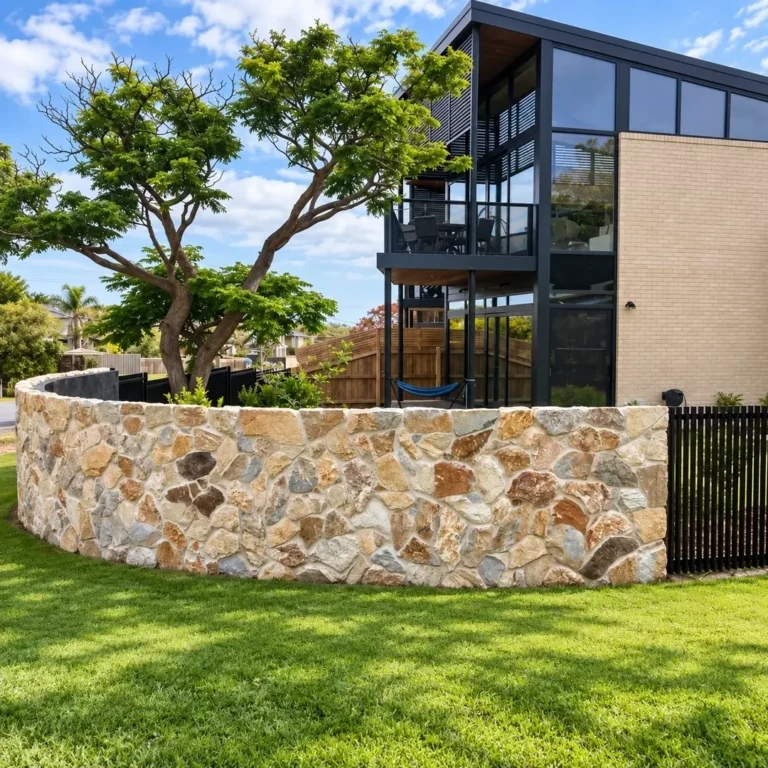
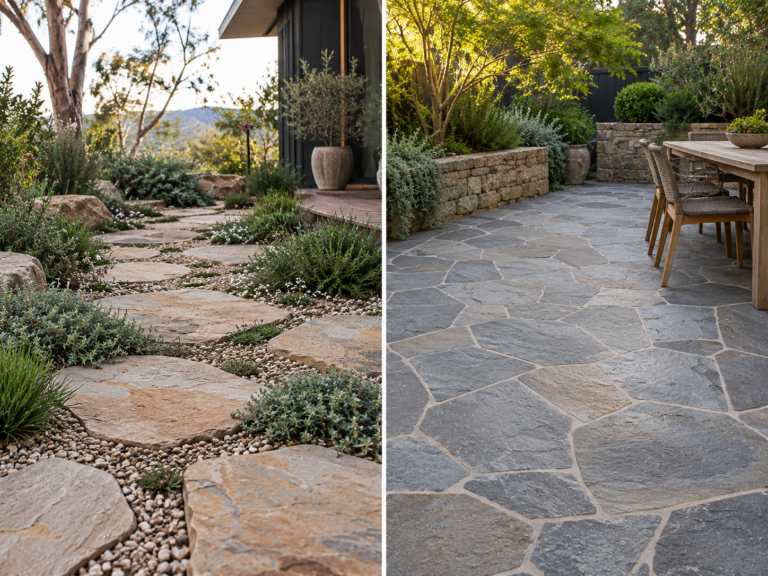
Ever wonder about the perfect material for your construction project? Traditional materials like stone offer timeless appeal but pose challenges in cost and installation.
This article delves into the advantages and challenges of using stone in construction, providing insights to inform strategic decisions and ensure successful building projects.
Advantages of Using Natural Stone in Construction
Using natural stone in construction offers a multitude of advantages:
- Durability: Natural stone is renowned for its longevity, able to withstand the test of time and harsh environmental conditions without deteriorating.
- Aesthetic Appeal: Its unique colours, textures, and patterns lend a timeless elegance and sophistication to any architectural design, enhancing the structure’s overall aesthetic appeal.
- Versatility: Natural stone comes in various types, including granite, marble, limestone, and sandstone, each offering distinct characteristics suitable for different architectural styles and applications.
- Low Maintenance: Stone requires minimal maintenance compared to other building materials, reducing long-term upkeep costs and ensuring a hassle-free experience for building owners. That matters most in commercial fit-outs, where stone in retail store design has to survive constant foot traffic without looking tired.
- Environmental Sustainability: Stone is an eco-friendly and sustainable material. Compared to synthetic materials, it requires minimal processing and has a minimal impact on the environment.
- Increased Property Value: Using natural stone in construction can significantly increase the resale value of a property, as it is perceived as a premium and desirable feature by homebuyers and investors alike.
Structural Integrity and Stability

Natural stone offers exceptional structural integrity and stability, making it a reliable choice for construction projects:
- Load-Bearing Capacity: Stone’s inherent strength allows it to support heavy loads without deformation or failure, ensuring the structural integrity of buildings and infrastructure.
- Resistance to Compression: Stone’s resistance to compression makes it suitable for constructing foundations, walls, and columns, providing stability and structural support over time.
- Resistance to Weathering: Stone’s durability enables it to withstand exposure to environmental factors such as rain, wind, and temperature fluctuations, maintaining structural stability and integrity for decades or even centuries.
- Fire Resistance: Natural stone is inherently fire-resistant, offering protection against fire spread and contributing to the safety and stability of buildings in the event of a fire.
- Seismic Resistance: Stone’s ability to withstand seismic forces makes it a preferred choice for construction in earthquake-prone areas, providing stability and safety during seismic events.
Variety and Versatility of Stone Materials

Natural stone materials offer an unparalleled variety and versatility in construction, catering to diverse architectural needs:
- Types of Stone: Granite, marble, limestone, sandstone, and slate are just a few examples of natural stone options, each offering unique colours, textures, and characteristics.
- Architectural Flexibility: Stone materials can adapt to various architectural styles, from classic to contemporary, and suit many applications, including exterior cladding, interior flooring, and decorative accents. That range is why natural stone for a Hamptons-style home is picked on tone and finish rather than on stone type alone.
- Customisation: Stone can be tailored to specific project requirements, allowing for customisation in terms of size, shape, finish, and detailing, enabling architects and designers to realise their creative vision.
- Durability and Longevity: Natural stone is renowned for its durability and longevity, making it a reliable choice for building projects that require enduring strength and resilience against weathering and wear.
- Sustainability: Stone is an environmentally friendly and sustainable natural material. It requires minimal processing and has a low carbon footprint compared to synthetic alternatives.
Fire Resistance and Safety Considerations

Stone is a top choice for construction due to its exceptional fire resistance. It doesn’t burn like wood or synthetic materials, maintaining structural integrity and slowing flame spread. This feature significantly extends emergency evacuation times, potentially saving lives.
However, the weight of stone necessitates careful planning. Its heaviness impacts the design of foundations and structural support systems. Architects and engineers must ensure the building can support this weight safely.
The type of stone used also matters. Different stones react differently to heat. For example, limestone and sandstone can handle heat but may spall, shedding layers due to moisture expansion when heated.
Granite, on the other hand, remains stable and doesn’t degrade significantly under similar conditions.
Overall, while stone is excellent for fire safety, its physical properties and design impacts require thorough consideration. This ensures both the safety and durability of the structure.
Challenges and Limitations of Using Natural Stone

Using natural stone in construction, while offering numerous benefits, presents several challenges and limitations that must be carefully considered.
- Cost Considerations: Quarrying and transporting natural stone is expensive due to its heavy and cumbersome nature. This increases the overall budget of building projects due to high extraction, finishing, and shipping costs.
- Installation Requirements: Natural stone requires skilled craftsmanship for installation. Its variability in size, shape, and colour demands precise and experienced handling, which can increase labour costs and project timelines.
- Environmental Impact: Quarrying natural stone is resource-intensive and can lead to environmental degradation, including habitat destruction and pollution. These impacts must be considered in the context of a project’s sustainability goals.
- Variable Durability: Certain types of stone such as sandstone and limestone are porous and more susceptible to weathering and chemical damage, requiring more maintenance and potentially increasing lifecycle costs.
- Consistency and Supply Issues: Natural stone can be inconsistent in colour and texture, and availability may be limited by quarry resources, complicating large-scale or matching projects.
- Structural Weight Concerns: The heavy weight of natural stone imposes limitations on its use in structures where weight is a critical factor, necessitating robust engineering solutions to support the weight safely.
Maintenance and Care of Stone Structures

Maintaining and caring for stone structures is essential to preserve their aesthetic and structural integrity over time. Natural stone, while durable, requires specific maintenance practices depending on its type and environmental exposure.
- Regular Cleaning: Stone surfaces should be regularly cleaned to prevent the buildup of dirt and pollutants that can stain or etch the surface. It’s important to use pH-neutral cleaners because acidic or alkaline products can damage certain types of stone, such as marble and limestone.
- Sealing: Sealing is recommended to protect porous stones like sandstone and limestone from water penetration and weathering. Sealants should be applied periodically, according to the manufacturer’s guidelines, to enhance resistance to moisture and pollutants.
- Prompt Repair of Damage: Any chips, cracks, or other structural damage should be repaired promptly to prevent further deterioration. This involves filling cracks or replacing damaged sections with matching stone to maintain uniformity.
- Protection from Weather: In areas with severe weather conditions, protective measures such as waterproofing treatments can help guard against frost damage and excessive water absorption which can lead to cracking and splitting.
- Monitoring for Structural Integrity: Regular inspections are crucial to identify potential issues early. Structural assessments can help detect shifts or degradation that may compromise the stone’s stability.
By adhering to these maintenance guidelines, the longevity and beauty of stone structures can be effectively sustained, ensuring they remain durable and visually appealing for generations.
Environmental Impact and Sustainability

| Aspect | Environmental Impact and Sustainability Considerations |
| Resource Extraction | Quarrying is energy-intensive and disrupts ecosystems, causing habitat loss, biodiversity reduction, and alterations to local water systems. |
| Transportation | Due to its weight, transporting stone is fuel-intensive and contributes to carbon emissions, especially when sourced non-locally. |
| Durability and Longevity | Stone’s durability reduces the need for frequent replacements, conserving resources and reducing waste. Its thermal mass improves energy efficiency in buildings. |
| Recyclability | Stone is highly recyclable, allowing it to be repurposed in new projects and minimizing waste, though recycling feasibility depends on local facilities and economic factors. |
This table outlines the key environmental impacts and sustainability factors related to the use of natural stone in construction. Which stone you pick moves those four factors more than anything else on a build, and the most sustainable stone options for green building are separated by local sourcing, longevity and recyclability.
Future Trends and Innovations

Future trends and innovations in the use of natural stone in construction are focusing on sustainability, efficiency, and advanced technological integration. As the industry evolves, here are key developments:
- Sustainable Quarrying: Advances in quarrying technology aim to reduce environmental impact. Techniques such as precision cutting and water recycling are becoming more prevalent, minimising waste and conserving resources.
- Lightweight Stone Materials: Researchers are developing thinner, lighter stone slabs reinforced with composite materials. These innovations not only reduce the weight and cost of transportation but also expand the potential uses of stone in high-rise buildings and modern structures.
- Digital Fabrication: The integration of digital technologies, such as 3d modelling and CNC machining, allows for precise cutting and fitting of stone. This reduces material waste and installation time, and enables complex, custom designs to be executed more efficiently.
- Enhanced Durability Treatments: New treatments and sealants are being developed to enhance the durability of stone, making it more resistant to weathering, chemicals, and biological growth. This extends the life of stone structures and reduces maintenance costs.
Conclusion
Stone’s durability and aesthetic appeal make it a standout choice for construction, yet it demands mindful management of its environmental impact and maintenance challenges.
To preserve its viability and promote sustainability, embrace innovative solutions and responsible practices in your next project.
Commit to integrating this timeless material into modern design.