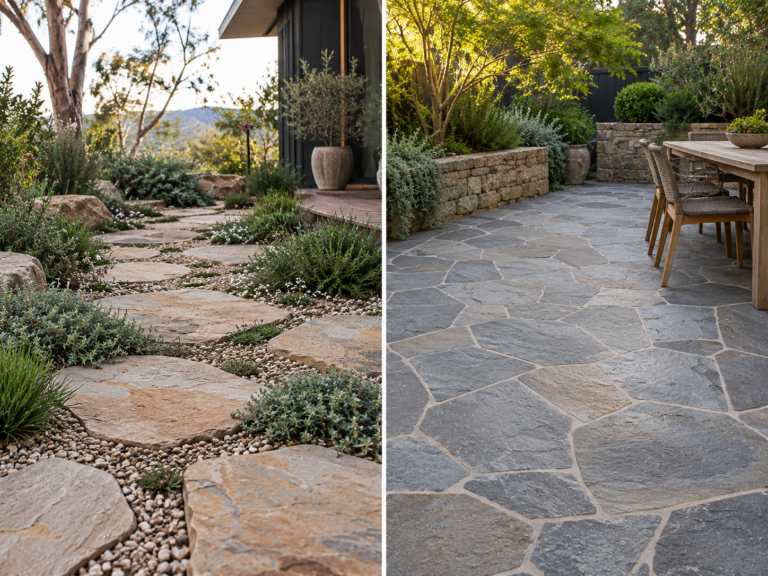
Natural stone can hold its beauty for decades, but only when it is cleaned, sealed, repaired, and maintained properly. Without the right care, spills can settle, sealers can wear down, and outdoor surfaces can slowly lose colour, texture, and strength.
This stone maintenance and care guide brings the key steps into one practical place.
You’ll learn how to clean natural stone safely, prevent common damage, seal surfaces correctly, repair minor chips and scratches, and know when professional restoration is the smarter choice.
What Is Stone Maintenance and Care?
Stone maintenance and care refers to the regular cleaning, sealing, protection, repair, and restoration of natural stone surfaces. Its main purpose is to preserve the stone’s appearance, strength, texture, safety, and long-term performance.
Every natural stone surface has different care needs. Limestone, travertine, bluestone, marble, granite, sandstone, and quartzite all respond differently to moisture, cleaning products, foot traffic, stains, and weather exposure. That is why a general cleaning habit is helpful, but the best results come from matching the care method to the stone type and where it has been installed.
Outdoor paving, stone walling, pool surrounds, patios, flooring, and feature walls all face different conditions. Some surfaces deal with rain and UV exposure, while others are affected by spills, furniture movement, or daily foot traffic.
With the right care routine, natural stone stays cleaner, stronger, and more visually consistent for years.
Why Natural Stone Needs the Right Care
Natural stone is strong, but it is not indestructible. Most stone surfaces have some level of porosity, which means liquids, oils, dirt, minerals, and cleaning chemicals can affect the surface if they are not managed properly. Knowing whether your stone is porous helps you choose safer cleaners, sealers, and stain treatments from the start.
Poor care can lead to staining, dullness, etching, moisture damage, surface wear, and costly repair work. Limestone, marble, travertine, sandstone, and other porous stones are especially sensitive to acidic cleaners, moisture, and surface abrasion.
The right maintenance routine protects both the look and performance of the stone. It helps preserve colour, texture, slip resistance, and structural strength, especially in outdoor areas exposed to rain, UV, garden debris, pool water, and changing weather conditions.
Common issues caused by poor stone care include:
- Staining from spills and oils: Porous stones can absorb wine, food, grease, rust, and organic matter if spills are left untreated.
- Etching from acidic products: Vinegar, citrus, bleach, and harsh chemicals can dull or mark sensitive stones such as marble, limestone, and travertine.
- Surface wear from grit and traffic: Dirt and sand can act like abrasives, gradually scratching the finish under daily foot traffic.
- Moisture and salt damage: Poor drainage, missed sealing, and trapped moisture can lead to efflorescence, mould, moss, and weakened joints.
- Fading and dullness: Sun exposure, incorrect cleaners, and worn sealers can reduce the natural richness of the stone over time.
How Different Stone Types Affect Maintenance

Natural stone care should never follow a one-size-fits-all routine. Each stone type has its own density, porosity, texture, mineral makeup, and sensitivity to moisture or cleaning products. A method that works well on granite may be too harsh for limestone, while a sealer suited to travertine may not be the best choice for bluestone.
Understanding these differences helps you clean, seal, repair, and protect each surface properly.
| Stone Type | Main Care Concern | Best Maintenance Approach |
| Limestone | Limestone is porous and sensitive to acidic cleaners, moisture, and surface abrasion, which is why proper limestone floor cleaning and sealing matters in both indoor and outdoor areas. | Use pH-neutral cleaners, seal regularly, clean spills quickly, and avoid vinegar, citrus, bleach, or harsh scrubbing tools. |
| Travertine | Travertine has natural pits and voids that can trap dirt, moisture, and organic matter, so a consistent travertine care and sealing routine helps protect the surface from staining and outdoor wear. | Keep filled areas maintained, seal the surface properly, sweep often, and use gentle cleaning products to prevent staining. |
| Bluestone | Bluestone is dense and durable, but it can still show salt marks, fading, and surface staining, especially in exposed areas wherebluestone care and maintenance should be handled with the right cleaner and sealer. | Clean consistently, manage drainage, avoid excessive pressure washing, and use breathable sealers suited to outdoor stone. |
| Marble | Marble is softer and reacts quickly to acidic substances, which can cause etching and dull patches. | Wipe spills immediately, use soft cloths, seal often, and avoid abrasive tools or acidic cleaning products. |
| Granite | Granite is hard-wearing, but oils and liquids can still absorb if the surface is unsealed. | Clean with mild stone-safe products and reseal when water no longer beads on the surface. |
| Sandstone | Sandstone is highly porous and can absorb stains, moisture, and minerals more easily. | Seal thoroughly, improve drainage, remove organic debris quickly, and avoid aggressive cleaning methods. |
| Quartzite | Quartzite is very hard, but cracks and deeper damage can be difficult to repair without specialist tools. | Use routine cleaning, protect the surface from impact, and call a professional for serious cracks or restoration. |
| Porphyry | Porphyry is strong and textured, but outdoor grime, moss, and moisture can build up over time. | Clean periodically, control moss growth, and seal where needed to preserve colour and surface performance. |
How to Clean Natural Stone Properly

Cleaning natural stone properly starts with using gentle methods that protect the surface instead of wearing it down. The goal is to remove dirt, spills, and grime without stripping sealers, scratching the finish, or forcing moisture into the stone.
1. Remove Loose Dirt and Debris
Before applying any cleaner, sweep, dust, or dry mop the surface. Loose sand, soil, and grit can act like fine sandpaper when rubbed across stone, especially in high-traffic areas such as patios, pathways, flooring, and outdoor entertaining spaces.
For indoor stone, use a soft broom, dust mop, or microfibre cloth. For outdoor stone, remove leaves, garden debris, and loose dirt before washing.
2. Use a pH-Neutral Stone Cleaner
Natural stone should be cleaned with a pH-neutral cleaner made for stone surfaces. Harsh products such as vinegar, bleach, ammonia, citrus cleaners, and strong detergents can etch, dull, or weaken the surface.
A stone-safe cleaner helps lift everyday dirt without damaging the finish or breaking down the sealer. Always follow the product instructions and avoid overusing concentrated cleaners.
3. Clean in Small Sections
Work across the stone in small, manageable sections using a soft cloth, sponge, or microfibre mop. Avoid steel wool, stiff brushes, rough pads, or abrasive powders, as these can leave scratches and wear down the surface.
For outdoor paving, use gentle scrubbing only where needed, following the same cautious approach used in a proper paver cleaning and maintenance guide. If pressure cleaning is required, keep it controlled and avoid high-pressure settings that can damage joints or strip sealers.
4. Rinse and Dry the Surface
After cleaning, rinse away any leftover product with clean water. Residue can leave streaks, attract dirt, or affect the stone’s appearance over time.
Dry the surface with a soft towel or allow the outdoor stone to drain properly. Standing water should not sit on natural stone for long periods, especially on porous surfaces.
5. Blot Spills Immediately
Spills should be blotted as soon as possible, not rubbed. Oil, wine, coffee, food, and acidic liquids can sink into porous stone quickly if left untreated.
Fast action reduces staining risk and helps keep the stone easier to maintain.
How to Deep Clean and Remove Stains from Stone

Deep cleaning natural stone is useful when routine sweeping and mopping no longer remove built-up grime, stains, moss, or surface dullness. The right method depends on the type of stone, the stain source, and how deeply the mark has penetrated the surface.
Before using any stain treatment, test it on a hidden area first. This helps avoid discolouration, etching, or unwanted changes to the stone finish.
Oil-Based Stains
Oil stains from food, grease, sunscreen, or outdoor cooking can sink into porous stone quickly. Blot the area first, then use a stone-safe poultice or absorbent treatment designed to draw oil out of the surface.
Avoid scrubbing aggressively, as this can spread the stain or push it deeper into the stone.
Organic Stains
Leaves, soil, coffee, wine, food, and garden debris can leave brown, dark, or patchy marks on natural stone. Remove loose material first, then clean the area with a pH-neutral stone cleaner and a soft brush or cloth.
Outdoor stains may need more than one clean, especially if moisture has allowed the mark to settle.
Rust and Mineral Stains
Rust stains from metal furniture, irrigation, tools, or mineral-rich water need careful treatment. General household cleaners are rarely the right option and may make the mark worse.
Use a stone-safe rust remover suited to your stone type, or call a professional if the stain is deep or widespread.
Hard Water Marks
Hard water can leave cloudy white marks around pools, bathrooms, kitchens, and outdoor paving. These marks are usually caused by mineral deposits left behind after water evaporates.
Wipe wet areas regularly, improve drainage where needed, and reseal the stone if water is absorbing too quickly.
Moss, Mould and Outdoor Growth
Moss and mould often develop in shaded, damp, or poorly drained areas. Regular cleaning, better airflow, and moisture control help prevent regrowth, especially when moss and algae removal is handled with stone-safe methods.
Use gentle stone-safe cleaning methods instead of harsh chemicals that may damage the surface or surrounding landscaping.
How to Seal Natural Stone for Long-Term Protection
Sealing is one of the most important steps in natural stone maintenance. Because many stone surfaces are porous, they can absorb water, oils, food spills, minerals, and outdoor contaminants if left unprotected. A quality sealer helps reduce absorption, making the stone easier to clean and less vulnerable to staining, moisture damage, and surface wear.
Sealing does not make natural stone completely stain-proof or maintenance-free. It simply gives the surface a stronger layer of protection, buying you more time to clean spills and helping the stone perform better over the long term.
Why Sealing Matters
Natural stone used in outdoor paving, pool surrounds, patios, kitchens, bathrooms, and feature walls often faces daily exposure to moisture, foot traffic, cleaning products, and changing weather conditions.
Without proper sealing, liquids can sink below the surface and cause stains that are difficult to remove. Moisture can also contribute to moss, mould, efflorescence, and weakened joints, especially in outdoor areas with poor drainage.
Penetrating vs Topical Sealers
Penetrating sealers absorb into the stone and protect it from within. They are often used for porous natural stones because they help reduce water and stain absorption without dramatically changing the surface appearance.
Topical sealers sit on the surface and create a visible protective layer. They may enhance colour or add sheen, but they can wear faster in high-traffic or exposed outdoor areas.
The right choice depends on the stone type, finish, location, and desired look.
How to Seal Natural Stone
- Clean the surface with a pH-neutral stone cleaner.
- Allow the stone to dry completely before sealing.
- Test the sealer on a hidden area to check compatibility.
- Apply a thin, even coat using a clean cloth, sponge, brush, or applicator.
- Let the sealer absorb according to the product instructions.
- Wipe away excess sealer before it dries on the surface.
- Keep the area dry while the sealer cures.
Resealing should be done when water no longer beads on the surface, stains appear more easily, or the stone begins absorbing moisture faster than usual.
How to Repair Chips, Scratches, Cracks and Grout Damage

Natural stone damage should be assessed before any repair begins. Some marks are only cosmetic, while others may point to deeper movement, moisture issues, or structural weakness. Small chips, light scratches, and minor grout gaps can often be repaired with the right products, but larger cracks, loose stone, or widespread deterioration usually need professional attention.
Can Damaged Stone Be Repaired?
Most damaged stone can be repaired, but the result depends on the stone type, the depth of damage, and how quickly the issue is addressed. A small chip on a stone edge is usually easier to fix than a crack caused by movement beneath the surface.
Before repairing, clean the area with a pH-neutral stone cleaner and let it dry fully. Repair products bond better to clean, dry stone, and the finished result is usually smoother and more consistent.
How to Repair Small Chips
Small chips can often be filled with a colour-matched epoxy, resin, or stone repair filler. The filler should be applied carefully into the damaged area, slightly overfilled, then left to cure according to the product instructions.
Once cured, the repaired spot can be gently levelled and polished so it blends with the surrounding surface. Colour matching matters, especially on visible edges, benchtops, walling, and feature stone.
How to Buff Light Scratches
Light surface scratches may be improved with a stone-safe polishing compound and a soft buffing pad. Work gently and avoid applying too much pressure, as aggressive polishing can create uneven patches or dull the surrounding finish.
Deeper scratches may need honing or professional resurfacing, particularly on marble, limestone, travertine, or polished stone surfaces.
How to Treat Cracks
Hairline cracks may sometimes be stabilised with a suitable resin or filler, but cracks should never be ignored. If the crack is widening, spreading, or appearing near loose stone, it may be linked to movement, poor installation, impact, or water penetration.
In these cases, a professional should inspect the surface before any cosmetic repair is attempted. For a worked example on one variety, see how to fix chips and cracks in Kimberley sandstone.
How to Regrout or Repoint Stone Joints
Loose, cracked, or missing grout can allow moisture to enter beneath or behind the stone. Over time, this may cause mould, staining, movement, or joint failure, which is why why paver joint filling and sealing play such an important role in outdoor stone stability.
For small repairs, remove loose material, clean the joint, apply a compatible grout or mortar, and shape it neatly. Once cured, sealing may help protect the area from future moisture absorption.
When Does Stone Need Professional Restoration?

Professional stone restoration is needed when damage goes beyond routine cleaning, sealing, or small surface repairs. Minor marks can often be handled with careful DIY methods, but deep stains, etching, cracks, loose stone, and widespread dullness usually need specialist tools and experience.
The goal is not just to improve appearance. Proper restoration also protects the stone from further damage, moisture problems, and premature replacement.
| Stone Issue | DIY May Be Suitable | Call a Professional When |
| Light dirt or grime | Routine cleaning with a pH-neutral stone cleaner | Dirt is embedded across large areas, and routine cleaning no longer works |
| Minor scratches | Gentle buffing with a stone-safe polishing compound | Scratches are deep, widespread, or visible across polished surfaces |
| Small chips | Colour-matched resin or epoxy repair kits | Chips are large, on exposed edges, or affect the stone’s strength |
| Stains | Mild cleaners or stone-safe poultices | Stains are deep, recurring, unknown, oily, rusty, or widespread |
| Etching and dullness | Very light polishing on a suitable stone | Marble, limestone, or travertine has large dull patches or acid damage |
| Cracks | Cosmetic hairline filling in stable areas | Cracks are widening, structural, or linked to movement beneath the stone |
| Loose grout or joints | Small grout touch-ups | Joint failure is widespread or moisture is entering behind the stone |
| Timeworn surfaces | Cleaning and resealing | The stone needs honing, polishing, strengthening, or colour restoration |
Professional restoration may involve honing, polishing, stain extraction, crack stabilisation, repointing, sealing, colour enhancement, or consolidation for weakened stone. These methods require the right diagnosis first, because using the wrong product or technique can make the damage worse.
It is also worth calling a specialist for high-value stone, heritage stone, large outdoor areas, pool surrounds, or surfaces where safety and slip resistance matter.
Common Stone Care Mistakes to Avoid
Natural stone problems often start with simple care mistakes. The wrong cleaner, tool, or maintenance habit can slowly damage the surface, weaken sealers, or make stains harder to remove. Avoiding these issues helps protect the stone’s appearance and long-term value.
- Using acidic cleaners: Vinegar, lemon, bleach, ammonia, and strong household cleaners can etch, dull, or discolour sensitive stones such as marble, limestone, and travertine.
- Scrubbing with abrasive tools: Steel wool, stiff brushes, rough pads, and harsh powders can scratch the surface and wear down protective sealers.
- Letting spills sit too long: Oils, wine, coffee, food, sunscreen, and acidic liquids can absorb into porous stone if they are not blotted quickly.
- Skipping regular sealing: Unsealed or poorly sealed stone is more vulnerable to staining, moisture absorption, moss growth, and surface deterioration.
- Overusing pressure washers: High-pressure cleaning can strip sealers, erode softer stone, loosen joints, and force water into areas where it should not sit.
- Treating every stone the same: Granite, bluestone, sandstone, limestone, travertine, and marble all have different care needs. A method that suits one stone may damage another.
- Ignoring grout and joints: Cracked or missing joints allow moisture to enter beneath or behind the stone, increasing the risk of movement, mould, stains, and structural issues.
- Allowing poor drainage: Standing water around paving, pool areas, and outdoor stone can encourage efflorescence, moss, staining, and long-term surface damage.
- Delaying professional help: Small cracks, deep stains, loose stone, and severe dullness can become harder and more expensive to fix when left untreated.
Seasonal Stone Maintenance Checklist
Natural stone care should shift slightly throughout the year. Outdoor paving, pool surrounds, garden paths, feature walls, and entertaining areas all respond to weather, moisture, heat, debris, and seasonal use, so it helps to protect each stone patio from weather extremes before small issues become bigger problems.
| Season | Stone Maintenance Tasks |
| Spring | Deep clean outdoor stone, remove winter grime, inspect joints, check for moss, and look for moisture damage after wetter months. |
| Summer | Sweep regularly, clean dust and outdoor debris, monitor poolside stone, manage UV exposure, and avoid harsh cleaning during extreme heat. |
| Autumn | Clear fallen leaves quickly, remove organic stains, check drainage, clean shaded areas, and prepare outdoor stone for wetter conditions. |
| Winter | Prevent standing water, avoid harsh de-icing products, clean slippery moss or mould, and inspect exposed paving after heavy rain. |
Australian conditions vary by location, so maintenance should suit the area around the stone. Coastal homes may need extra attention because salt can affect some surfaces, while shaded gardens may need more frequent moss and mould control.
High-traffic outdoor areas also need regular checks. If the stone starts absorbing water quickly, looking dull, or becoming harder to clean, it may be time to reseal or arrange a professional maintenance inspection.
How to Choose a Stone That Is Easier to Maintain
Choosing the right stone from the beginning can reduce cleaning demands, sealing frequency, staining risks, and long-term repair costs. A beautiful stone should also suit the way the area will be used, especially in outdoor spaces exposed to weather, moisture, foot traffic, and garden debris.
1. Match the Stone to the Area
High-traffic areas need stone that can handle regular use without wearing too quickly. Dense options such as bluestone, granite, quartzite, and porphyry are often easier to manage in busy outdoor spaces, pathways, patios, and entertaining areas.
Softer or more porous stones can still perform well, but they usually need more careful sealing, cleaning, and spill management.
2. Choose the Right Finish
The finish affects how easily marks, scratches, and wear appear. Textured, honed, brushed, tumbled, or split-face finishes can hide everyday marks better than highly polished surfaces in some settings.
Outdoor areas also benefit from finishes that support grip and drainage, especially around pools, steps, and garden paths.
3. Consider Weather and Exposure
Stone used outdoors must handle UV exposure, rain, moisture, shade, and temperature changes. Pool surrounds, coastal homes, shaded gardens, and wet areas need stone that suits those conditions.
Good drainage, correct installation, and proper sealing will make maintenance much easier over time.
4. Balance Appearance with Practical Care
The best stone is not always the one that looks most impressive in a showroom. It should suit the home, the climate, the installation area, and the level of care the owner is willing to maintain.
When beauty and practicality work together, natural stone is easier to clean, safer to use, and more durable for years.
Keeping Natural Stone Beautiful for Years

Natural stone lasts longest when cleaning, sealing, repairs, and restoration are handled with consistency. Small habits, such as sweeping regularly, blotting spills quickly, and using the right cleaner, can prevent stains, dullness, and avoidable surface wear.
Sealing also plays a major role in long-term protection. When stone is properly sealed and maintained, it is easier to clean, more resistant to moisture, and better suited to daily use.
For lasting results, choose a stone that suits your space, care for it correctly, and seek expert advice when damage needs more than a simple repair. Splendour in Stone can help you select quality natural stone and maintain it with confidence.
FAQs
1. What is the best way to clean natural stone?
The best way to clean natural stone is to remove loose dirt first, then use a pH-neutral stone cleaner with a soft cloth, sponge, or microfibre mop. Avoid vinegar, bleach, ammonia, citrus cleaners, abrasive powders, and rough scrubbing tools, as these can damage the stone or weaken the sealer.
2. How often should natural stone be sealed?
Natural stone should be sealed based on the stone type, porosity, traffic level, and exposure to moisture. Outdoor paving, pool surrounds, limestone, travertine, and sandstone may need more regular sealing than dense stones. If water stops beading on the surface or absorbs quickly, it is usually time to reseal.
3. Can damaged natural stone be repaired?
Yes, many types of natural stone damage can be repaired. Small chips may be filled with colour-matched resin or epoxy, while light scratches can sometimes be buffed or polished. Deep cracks, major stains, loose stone, or widespread dullness should be assessed by a professional stone restoration specialist.
4. What cleaners should not be used on natural stone?
Natural stone should not be cleaned with acidic, abrasive, or harsh household products. Avoid vinegar, lemon juice, bleach, ammonia, strong degreasers, scouring powders, steel wool, and stiff brushes. These products can cause etching, dull patches, surface scratches, colour changes, and sealer breakdown.
5. How do you remove stains from natural stone?
The safest way to remove stains from natural stone is to identify the stain first. Oil, rust, organic matter, and mineral marks often need different treatments. A stone-safe cleaner or poultice may help, but deep, unknown, or stubborn stains should be treated professionally to avoid making the damage worse.
6. When should I call a professional for stone restoration?
Call a professional when stone has deep stains, large chips, structural cracks, severe etching, loose joints, widespread dullness, or damage across a large area. Professional restoration is also recommended for high-value stone, heritage surfaces, pool surrounds, and outdoor areas where safety and slip resistance matter.
7. How can I prevent natural stone from getting damaged?
You can prevent damage by sweeping regularly, cleaning spills immediately, using pH-neutral cleaners, sealing when needed, improving drainage, and avoiding abrasive tools. Mats, coasters, furniture pads, and regular inspections also help reduce scratches, stains, moisture damage, and long-term surface wear.