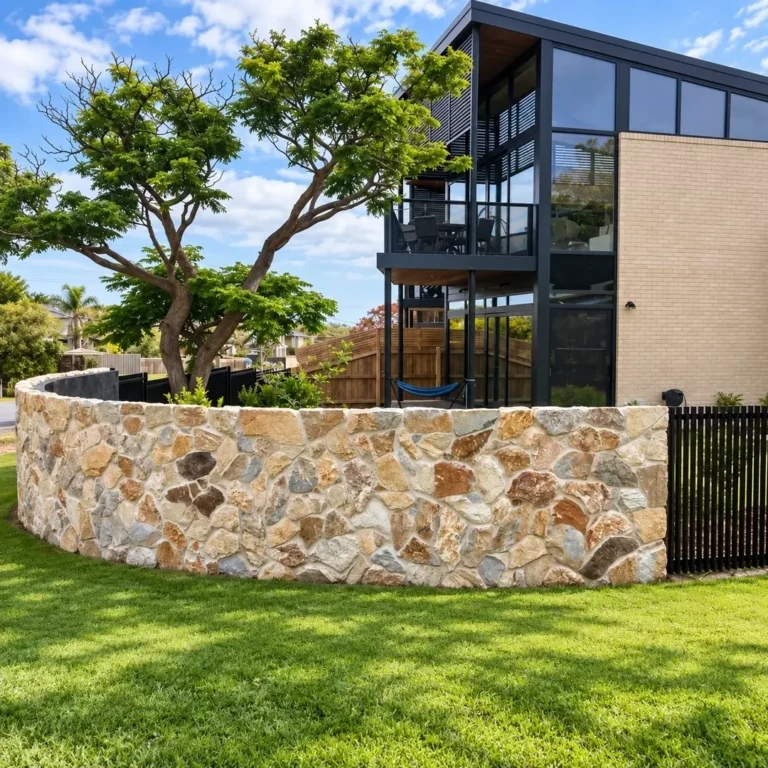
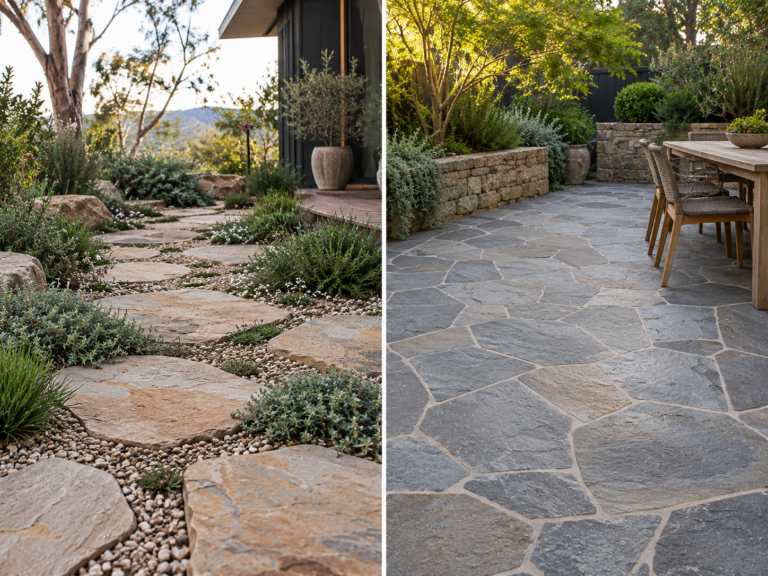
Choosing stone paving for an outdoor project can feel simple at first. Then the real questions start. Which stone will handle Australian weather? What works around pools? Which pavers suit driveways, patios, garden paths, or alfresco areas?
The best choice comes down to more than colour. You need to think about durability, grip, heat, maintenance, installation, and long-term value.
This guide breaks down the best stone paving materials, current design trends, buying tips, finishes, and care advice for Australian outdoor spaces.
What Is Stone Paving?
Stone paving refers to natural stone that has been quarried, cut, and finished for use across outdoor surfaces. It is commonly used for patios, courtyards, pool surrounds, garden paths, alfresco areas, driveways, and front entries. Each stone type has its own density, texture, colour variation, and surface behaviour, which is why the right choice depends on where and how the paving will be used.
Unlike concrete or manufactured pavers, natural stone carries variation from piece to piece. That variation gives outdoor spaces more depth, movement, and character. Bluestone can create a clean architectural look, limestone can soften a courtyard, travertine can bring warmth around a pool, and granite can handle heavier use in driveways and high-traffic zones.
Good stone paving should do more than look attractive on the day it is installed. It needs to feel safe underfoot, cope with outdoor exposure, suit the home’s design, and remain practical to maintain. When the material, finish, thickness, and installation method are chosen properly, stone paving becomes a long-term surface that adds structure, usability, and lasting value to an outdoor space.
Why Choose Natural Stone Pavers for Australian Outdoor Spaces?
Natural stone pavers remain one of the most reliable choices for Australian outdoor spaces because they balance strength, character, and long-term performance. They suit areas exposed to sun, rain, foot traffic, changing temperatures, and everyday use, which makes them practical for patios, pool surrounds, courtyards, pathways, and driveways.
- Durability: Quality stone pavers are built for outdoor conditions. Dense options such as granite, bluestone, quartzite, and porphyry can handle regular wear while maintaining their structure and surface appeal over time.
- Natural character: Every piece of stone carries its own colour movement, texture, veining, or surface variation. That gives outdoor areas a more authentic finish than manufactured materials, especially when the paving is paired with gardens, walling, timber, water features, or architectural landscaping.
- Design flexibility: Natural stone works across many Australian home styles. Bluestone suits modern and architectural spaces, travertine works beautifully around pools, limestone softens courtyards and alfresco areas, while cobblestones add strength and texture to garden paths and driveways.
- Long-term value: A well-chosen stone surface can last for decades when installed and maintained properly. While some materials cost more upfront, they often offer better value because they reduce the need for replacement, repainting, resurfacing, or frequent repairs.
- Outdoor comfort and safety: The right finish can improve grip, reduce glare, and make paved areas more comfortable underfoot. This matters most around pools, steps, driveways, and entertaining spaces where safety and usability are just as important as appearance.
Best Stone Paving Materials in Australia
Choosing the best stone paving material depends on the space you are building, the look you want, and the amount of wear the surface will need to handle. Some stones are better for driveways and high-traffic areas, while others are better suited to pool surrounds, courtyards, patios, or relaxed garden paths.
Granite Pavers
Granite is one of the strongest natural stones for outdoor paving. Its dense structure makes it a reliable choice for driveways, front entries, commercial paths, and high-traffic outdoor areas. It resists wear well, handles changing weather, and offers a clean, structured look that suits both traditional and modern homes.
Flamed granite is especially useful outdoors because the textured surface provides better grip underfoot. Grey Granite also works well with contemporary landscaping, rendered walls, brickwork, steel, timber, and architectural planting where the design needs a clean, structured finish.
Bluestone Pavers
Bluestone is a favourite across many Australian outdoor spaces because of its deep grey tones, durability, and versatile finish options. It can feel modern, classic, or industrial depending on how it is cut and laid. This makes it suitable for patios, pool surrounds, pathways, steps, courtyards, and alfresco areas.
Honed bluestone creates a smoother, more refined look, while bluestone flamed or sawn finishes add texture and grip. Bluestone cobbles can also be used for driveways, edging, garden paths, and feature areas where a stronger visual rhythm is needed.
Limestone Pavers
Limestone brings a softer and more relaxed feel to outdoor paving. Its natural tones can range from warm beige to soft grey, making it ideal for courtyards, patios, garden paths, and alfresco entertaining areas. It works particularly well in homes where the design needs to feel calm, light, and connected to the landscape.
Because limestone is more porous than dense stones like granite, it usually benefits from sealing. With the right finish and care, it can create a comfortable, elegant outdoor surface that suits both traditional and modern Australian homes.
Travertine Pavers
Travertine is popular for pool surrounds, patios, and sunlit outdoor areas because it stays comfortable underfoot and offers a naturally textured surface. Its soft cream, beige, ivory, silver, and honey tones suit relaxed outdoor living spaces where warmth and comfort matter.
The natural pores in travertine give it character and grip, although sealing is often recommended to protect against staining and moisture. Travertine Classic works especially well with pools, outdoor lounges, Mediterranean-style courtyards, timber furniture, rendered walls, and lush planting.
Quartzite Pavers
Quartzite is a strong, hardwearing stone with a naturally textured surface and subtle shimmer. It suits outdoor areas that need durability with a more refined visual edge, including garden paths, entertaining zones, courtyards, and feature paving.
Its dense composition helps it resist scratching, weathering, and general wear. Quartzite is also a good option when you want a stone that feels premium without looking overly polished. It pairs well with both modern architecture and more natural, organic landscape designs.
Porphyry Pavers
Porphyry is a tough volcanic stone known for its earthy colours, natural texture, and excellent outdoor performance. It is often used in driveways, garden paths, courtyards, public spaces, and heritage-style landscapes because it handles heavy use while keeping a distinctive natural look.
Porphyry can be laid as cobbles, crazy paving, filetti, or more structured formats. Porphyry Cobble brings browns, greys, rust tones, and muted purples into the surface, making it a strong choice when the project needs texture, movement, and old-world character.
Marble Pavers
Marble brings a more luxurious look to outdoor paving. Its natural veining, soft movement, and refined surface make it suitable for terraces, outdoor lounges, decorative paths, courtyards, and statement entertaining spaces. It is best used where design impact is a priority.
Outdoor marble needs to be selected carefully because some finishes can become slippery or require more maintenance. When the right surface texture and sealing approach are used, marble can create a premium outdoor finish with a strong architectural feel.
Cobblestones
Cobblestones are compact, strong, and ideal for areas that need both durability and visual definition. They are commonly used for driveways, edging, garden paths, courtyards, thresholds, and feature bands within larger paved areas.
Bluestone and porphyry cobbles are especially popular because they offer grip, strength, and character. Cobblestones can soften a modern design, add charm to heritage-style homes, or create strong borders that help define different outdoor zones.
Stone Paving Material Comparison Table
There is no single stone that suits every outdoor project. The best option depends on the area, expected traffic, surface finish, maintenance needs, and the style of the home. A driveway needs a much tougher stone than a quiet courtyard, while a pool surround needs comfort, grip, and heat control.
| Stone Type | Best Used For | Durability | Maintenance | Design Style |
| Granite | Driveways, front entries, high-traffic paths, commercial areas | Very high | Low | Clean, strong, modern, structured |
| Bluestone | Patios, pool surrounds, pathways, steps, courtyards | High | Moderate | Contemporary, timeless, architectural |
| Limestone | Courtyards, alfresco areas, garden paths, patios | Moderate to high | Moderate | Soft, calm, natural, elegant |
| Travertine | Pool surrounds, patios, outdoor lounges, sunlit areas | Moderate to high | Moderate | Warm, relaxed, Mediterranean-inspired |
| Quartzite | Feature paths, entertaining areas, garden zones, premium landscapes | High | Low to moderate | Textured, refined, natural, high-end |
| Porphyry | Driveways, garden paths, courtyards, heritage-style areas | Very high | Low | Earthy, rustic, old-world, textured |
| Marble | Terraces, statement courtyards, decorative outdoor areas | Moderate | Higher | Luxurious, refined, architectural |
| Cobblestones | Driveways, edging, pathways, borders, feature bands | Very high | Low | Traditional, durable, defined, character-rich |
For most Australian homes, the right choice comes down to matching the stone to the way the area will actually be used. Granite, porphyry, bluestone, and cobblestones are better suited to high-wear areas, while limestone, travertine, quartzite, and marble can bring more comfort, texture, and visual softness to lifestyle-focused spaces.
How Do You Choose the Right Stone Pavers?

Choosing the right stone pavers starts with understanding how the area will be used. A driveway, pool surround, garden path, and alfresco space all place different demands on the stone. The best result comes from matching the material, finish, thickness, and installation method to the real conditions of the project.
Match the Stone to the Area
Start with the function of the space. Driveways and front entries need dense, load-bearing materials such as granite, porphyry, bluestone, or cobblestones. Pool surrounds need pavers that feel comfortable underfoot and offer reliable grip, making travertine, limestone, and textured bluestone strong options. Courtyards and patios allow more design flexibility because they usually carry lighter loads.
Consider Australian Weather Conditions
Outdoor paving in Australia needs to handle heat, rain, UV exposure, and changing temperatures. Lighter stones are often better around pools and sunlit patios because they absorb less heat. Dense stones such as granite, bluestone, quartzite, and porphyry are useful in exposed areas where weather resistance and long-term durability matter.
Think About Foot Traffic and Vehicle Loads
High-traffic spaces need harder stone and stronger installation. A busy pathway may need textured bluestone or granite, while a driveway needs the correct paver thickness and a properly prepared base. Softer stones can still work beautifully, but they should be used in areas where the load and wear level suit the material.
Choose the Right Surface Texture
Surface finish affects safety, comfort, and maintenance. Flamed, brushed, sandblasted, tumbled, and textured finishes improve grip, especially around pools, steps, and wet areas. Honed or smoother finishes can look refined, but they are better suited to covered or lower-moisture spaces.
Balance Budget with Long-Term Value
The cheapest stone is not always the most affordable choice over time. Poorly matched pavers may stain, crack, fade, or need replacement earlier than expected. A stronger material with the right finish may cost more upfront, but it can deliver better value across the life of the project.
Plan Maintenance Before Buying
Every stone has different care needs. Limestone, travertine, sandstone, and marble often benefit from sealing, while granite, quartzite, and porphyry are generally easier to maintain. Before choosing a stone, consider how often you are willing to clean, seal, inspect, and care for the surface.
Best Stone Paving Finishes and Textures
The finish of a stone paver affects more than appearance. It changes how the surface feels underfoot, how much grip it provides, where it can be used, and how much care it may need over time. This is why finish selection should be considered alongside the stone type itself.
Honed Stone Pavers
Honed stone pavers have a smooth, matte surface with a clean and refined look. They suit covered patios, alfresco areas, courtyards, and outdoor spaces where a softer architectural finish is preferred. Around wet areas, extra care is needed because smoother surfaces may offer less grip than textured finishes.
Flamed Stone Pavers
Flamed finishes are created by exposing the stone surface to intense heat, which produces a rougher texture. This finish is commonly used on granite and bluestone because it improves slip resistance and durability. It is a strong choice for driveways, steps, pathways, and exposed outdoor zones.
Brushed Stone Pavers
Brushed stone has a lightly textured surface that feels more natural than honed stone but less rough than flamed stone. It works well for patios, walkways, courtyards, and pool surrounds where you want a practical balance between comfort, grip, and visual softness.
Tumbled Stone Pavers
Tumbled pavers have softened edges and an aged, worn-in appearance. This finish suits heritage homes, garden paths, courtyards, and rustic outdoor designs. It also helps the paving feel established rather than newly installed, which works beautifully in landscaped settings.
Sandblasted Stone Pavers
Sandblasted stone has an even, lightly textured surface created using fine abrasive material. It is often used on limestone and other softer stones to improve grip while keeping the finish neat and consistent. This makes it suitable for pool areas, patios, and everyday outdoor paving.
Sawn Stone Pavers
Sawn pavers have clean-cut edges and a flat surface. They are often used when a project needs sharp lines, consistent sizing, and a more controlled look. Depending on the stone and location, sawn surfaces may need further finishing for outdoor grip.
Bush Hammered Stone Pavers
Bush hammered stone has a stronger, dimpled texture that provides excellent traction. It is useful for ramps, steps, high-traffic areas, and spaces where slip resistance is a major priority.
Polished Stone Pavers
Polished stone creates a glossy, high-end look, but it is not usually the best choice for exposed outdoor paving. It can become slippery when wet and often needs more care, so it is better suited to covered or decorative areas.
Stone Paving Ideas by Outdoor Area

Different outdoor areas need different paving decisions. A stone that works beautifully in a quiet courtyard may not be suitable for a driveway, while a pool surround needs a finish that feels safe, cool, and comfortable underfoot. The best results come from matching the stone to the way each space will be used.
Pool Surrounds
Pool areas need paving that manages heat, moisture, and slip resistance. Travertine and limestone are popular choices because their lighter tones feel softer in sunlit spaces.
Textured bluestone can also work well when a darker, more architectural look is preferred. The same balance matters when choosing stone for pool coping and paving, where grip, comfort, durability, and appearance all need to work together.
Patios and Alfresco Areas
Patios and alfresco spaces are made for everyday use, so the paving should feel comfortable, practical, and easy to style. A well-planned stone patio can use limestone for a relaxed, natural look, bluestone for a cleaner, modern edge, travertine for warmer, resort-style designs, or marble for more refined outdoor entertaining spaces.
Driveways and Front Entries
Driveways need stone with strength, thickness, and a reliable surface grip. Granite, porphyry, bluestone cobbles, and other cobblestones are strong options because they can handle vehicle loads when installed on the right base. For front entries, the same materials can create a strong first impression while helping guide movement towards the home.
Garden Paths and Stepping Stones
Garden paths allow more freedom with shape, texture, and layout. Porphyry, quartzite, limestone, cobblestones, and natural stepping stones can create a softer path through lawn, gravel, mulch, or planted areas. Irregular layouts often feel more relaxed, while straight modular formats suit formal gardens and contemporary homes.
Courtyards and Small Urban Spaces
Small spaces benefit from paving that opens the area visually. Lighter limestone, travertine, and soft grey stone can make courtyards feel brighter and more spacious. Larger pavers with fewer visible joints can also reduce visual clutter, especially in townhouses, narrow side yards, and compact entertaining areas.
Outdoor Kitchens and BBQ Areas
Outdoor kitchens need paving that can cope with food spills, furniture movement, and regular foot traffic. Granite and bluestone are strong options because they offer durability and a more structured finish. Sealing may also be worth considering in these zones, especially where oil, wine, sauces, or grease could stain the surface.
Stone Paving Patterns and Layout Trends
The layout of your stone paving can change the whole feel of an outdoor space. Pattern, scale, joint lines, and stone format all influence whether the area feels formal, relaxed, modern, rustic, or highly detailed. A good layout should suit the home, support movement, and work with the natural variation in the stone.
French Pattern
French pattern paving uses a mix of square and rectangular pieces laid in a repeated modular format. It works beautifully with travertine and limestone, especially around pools, patios, and alfresco spaces where a soft, timeless look is needed.
Crazy Paving
Crazy paving uses irregular stone pieces fitted together in a freeform layout. It suits garden paths, courtyards, feature zones, and relaxed outdoor spaces. Porphyry, limestone, and bluestone can all work well when the goal is texture, movement, and natural character.
Linear Format
Linear paving creates clean lines and a more architectural finish. Long rectangular pavers can guide the eye through pathways, patios, or side access areas. This style works especially well with sawn bluestone, granite, and limestone in contemporary homes.
Modular Layout
Modular layouts use mixed paver sizes in a controlled repeat pattern. They are useful for courtyards, patios, and compact spaces because they add interest without making the design feel too busy.
Herringbone
Herringbone paving adds strength and visual energy. It is often used for driveways, walkways, and feature entries because the interlocking pattern feels structured and stable. Granite, bluestone, and cobblestones are strong choices for this look.
Large-Format Pavers
Large-format stone pavers remain popular in modern Australian outdoor design. They create fewer joint lines, a cleaner visual flow, and a more open feeling across patios, courtyards, and pool surrounds.
Current Stone Paving Trends in Australia

Stone paving trends in Australia are moving towards outdoor spaces that feel natural, practical, and easier to maintain. Homeowners are no longer choosing pavers based on appearance alone. They want materials that suit the climate, support better drainage, age well, and make outdoor areas more usable across the year.
Sustainable and Locally Sourced Stone
More buyers are paying attention to where their stone comes from. Locally sourced and responsibly selected stone can reduce transport impact, support better supply timelines, and suit Australian outdoor conditions more reliably. This trend is especially important for larger landscaping projects where material consistency and long-term performance matter.
Permeable Paving
Permeable paving is becoming more popular as homeowners look for better ways to manage rainwater and reduce runoff. This approach allows water to move through joints or gaps instead of sitting on the surface. It works well for garden paths, driveways, courtyards, and outdoor areas where drainage needs careful planning.
Natural and Organic Finishes
Highly polished outdoor surfaces are giving way to more natural textures. Tumbled edges, split finishes, crazy paving, cobblestones, and rougher stone surfaces help outdoor spaces feel grounded and relaxed. These finishes also work well with native planting, gravel, timber, and stone walling.
Larger Format Pavers
Large-format pavers are popular in modern patios, pool surrounds, and alfresco areas. They create fewer joint lines, which gives the space a cleaner and more open feel. This style works especially well with bluestone, limestone, granite, travertine, and selected marble pavers.
Mixed Materials
Stone is increasingly being paired with timber, lawn, brick, gravel, concrete, and garden edging. This mix adds contrast and helps define different zones, such as dining areas, pathways, pool edges, and garden beds. When done well, it gives the outdoor space more depth without making it feel overdesigned.
Low-Maintenance Outdoor Design
Australian homeowners want outdoor areas that look good without demanding constant upkeep. Dense stones, textured finishes, quality sealing, stable joints, and smart drainage all help reduce maintenance. The best trend is not just about style. It is about choosing paving that keeps performing after the first season.
Buying Natural Stone Pavers: What Should You Check First?
Buying natural stone pavers is not just about choosing the colour you like. The stone needs to suit the space, the installation method, the expected traffic, and the level of maintenance you are comfortable with. A good supplier should help you compare these details before you commit to an order.
Stone Quality and Density
Start by checking whether the stone is suitable for outdoor use. Dense stones such as granite, bluestone, quartzite, and porphyry generally handle heavy wear better than softer or more porous materials. For patios, courtyards, and pool areas, comfort and finish may matter just as much as strength. Always ask how the stone performs in weather, moisture, direct sun, and high-use areas.
Thickness and Format
Thickness matters, especially for driveways and structural paving. A stone that works well for a garden path may not be suitable for vehicle traffic. Pedestrian areas can often use thinner formats, while driveways, ramps, and load-bearing zones need thicker pavers and the right base preparation. Larger pavers can look clean and modern, but they also need proper handling, levelling, and support.
Slip Resistance
Outdoor paving needs safe surface grip. This is especially important around pools, steps, sloped areas, and exposed pathways. Textured finishes such as flamed, brushed, sandblasted, tumbled, or natural split surfaces usually provide better traction than smooth finishes. A beautiful stone can still be the wrong choice if the surface becomes unsafe when wet.
Batch Consistency and Natural Variation
Natural stone always varies in colour, veining, texture, and tone. That variation is part of its appeal, but it needs to be managed carefully. Order enough material upfront so the project can be completed from the same or closely matched batch. During installation, pavers should be blended from multiple crates or packs to avoid obvious colour patches.
Stock Availability and Lead Times
Availability can affect the entire project timeline. Before choosing a stone, confirm stock levels, delivery timing, and whether extra material can be sourced if needed. This is especially important for larger landscaping projects, builder-led jobs, or projects with tight deadlines. Ordering early also allows time for checking samples, confirming formats, and planning delivery access.
Supplier Knowledge
The right supplier should understand more than product names. They should be able to explain which stone suits pool surrounds, driveways, patios, courtyards, or garden paths, and which finish will perform best outdoors. Splendour in Stone helps homeowners, builders, landscapers, and designers choose natural stone based on durability, surface finish, thickness, style, and long-term performance, not just appearance.
Installation Planning: What Matters Before Laying Stone Pavers?
Even the best stone pavers can fail if the installation is rushed or poorly planned. Natural stone needs the right base, drainage, joint spacing, edge support, and laying method to perform properly outdoors. Before any stone is laid, the site should be measured, assessed, and prepared with long-term movement, water flow, and daily use in mind, especially on projects where stone paver installation needs to support heavy use or wet conditions.
Site Measurement and Set-Out
Accurate measurement helps reduce waste, control costs, and avoid layout problems during installation. The paving area should be marked clearly, with finished levels planned before excavation begins. This is especially important around doors, steps, pools, drains, garden beds, and adjoining surfaces where uneven levels can create trip hazards or water issues.
Base Preparation
A stable base is essential for long-lasting paving. Most outdoor stone paving needs a compacted foundation that suits the expected load. Patios and garden paths may need a different base depth from driveways or high-traffic areas. If the base is weak, the pavers can shift, sink, crack, or develop uneven joints over time.
Drainage Falls
Water needs somewhere to go. Proper drainage falls help move water away from buildings, paved surfaces, and low points where pooling can occur. Poor drainage can lead to staining, moss growth, slippery surfaces, joint erosion, and base movement. This should be planned before the laying pattern is finalised.
Edge Restraints and Joint Spacing
Edge restraints help hold the paving in place and prevent the surface from spreading over time. Joint spacing also matters because it allows the pavers to sit evenly, lock together properly, and handle minor movement. The correct jointing material will depend on the stone type, layout, and installation method.
Choosing the Right Installation Method
Stone pavers can be installed using sand bed, concrete bed, mortar-set, dry-lay, or pedestal systems, depending on the project. Driveways usually need stronger structural preparation, while balconies, rooftops, and raised areas may require pedestal systems. For complex layouts, premium stone, pool surrounds, or load-bearing spaces, professional installation is usually the safest choice.
Sealing, Cleaning and Maintaining Stone Paving
Stone paving is built for long-term outdoor use, but it still needs the right care to keep its surface strong, clean, and visually consistent. Maintenance should be planned around the stone type, the finish, and how exposed the area is to moisture, spills, shade, leaves, foot traffic, or pool water.
Does Natural Stone Need Sealing?
Not every stone needs sealing in the same way. Dense stones such as granite, quartzite, and porphyry are generally less porous, while limestone, travertine, sandstone, and marble often benefit from sealing. Pool surrounds, alfresco areas, BBQ zones, and outdoor dining spaces are also more likely to need protection because they are exposed to water, oil, food, wine, sunscreen, and everyday staining risks.
A good sealer can help reduce moisture absorption, improve stain resistance, and make routine cleaning easier. It should always be matched to the stone type and finish.
Penetrating vs Topical Sealers
Penetrating sealers absorb into the stone and help protect it from within. They are often used when you want to maintain a more natural look while improving stain and moisture resistance.
Topical sealers sit on the surface and can change the appearance of the stone. Some add sheen or deepen the colour, but they may wear faster in exposed outdoor areas. The wrong sealer can make paving slippery or patchy, so product selection matters.
Routine Cleaning
Regular cleaning is simple but important. Sweep leaves, dirt, and debris before they break down and mark the surface. Gentle paver cleaning and maintenance should use clean water, a soft brush, and a pH-neutral stone cleaner, since harsh chemicals, acidic cleaners, and bleach-based products can damage some natural stones, especially limestone, travertine, and marble.
Stain and Moss Control
Spills should be cleaned quickly before they soak into the surface. Shaded or damp areas may also develop moss, algae, or organic build-up, especially around garden paths and pool areas. Keep joints clear, improve drainage where needed, and use stone-safe products rather than aggressive cleaners.
What to Avoid
Avoid sealing damp stone, applying too much sealer, using acidic cleaners, pressure washing on high settings, or ignoring loose joints and cracked pavers. Small maintenance issues are easier to fix early, before they affect the base, finish, or overall safety of the paved area.
Common Mistakes to Avoid When Choosing Stone Paving
Choosing stone paving becomes much easier when you know what can go wrong. Many problems come from treating stone as a purely decorative choice, when it also needs to perform under weather, movement, moisture, weight, and regular use.
- Choosing only by colour: A stone may look perfect in a sample, but colour alone does not tell you whether it will suit a driveway, pool surround, patio, or shaded garden path.
- Using the wrong stone in high-traffic areas: Softer or more porous stones can wear faster in busy zones. Driveways, front entries, and commercial paths usually need dense materials such as granite, bluestone, porphyry, or cobblestones.
- Ignoring surface texture around wet areas: Pool surrounds, steps, and exposed pathways need grip. Smooth finishes may look refined, but they can become unsafe when wet if the wrong finish is selected.
- Forgetting heat underfoot: Darker stones absorb more heat in exposed spaces. Around pools and sunny patios, lighter tones such as travertine or limestone may feel more comfortable.
- Buying too little stock: Natural stone varies between batches. Ordering extra material upfront helps cover cuts, waste, future repairs, and colour consistency across the project.
- Underestimating installation requirements: Strong stone still needs the right base, drainage, jointing, and edge restraints. Poor preparation can cause movement, cracking, uneven levels, and drainage issues.
- Skipping sealing where needed: Porous stones used around pools, BBQ areas, and outdoor dining zones often need sealing to help resist stains, moisture, and everyday wear.
- Choosing a supplier without technical knowledge: A good stone supplier should help you match the material, finish, size, and thickness to the real conditions of your project.
Why Choose Splendour in Stone for Stone Paving in Australia?

Choosing the right stone is easier when you are working with a supplier that understands how natural stone performs in real outdoor conditions. Splendour in Stone focuses on premium natural stone for Australian homes, landscapes, and architectural projects, helping clients choose materials that suit both the design and the demands of the space.
The range includes options for pool surrounds, patios, alfresco areas, courtyards, driveways, garden paths, feature paving, and outdoor entertaining zones. Instead of selecting stone by appearance alone, you can compare materials by durability, texture, finish, thickness, colour variation, slip resistance, and maintenance needs.
This guidance is especially useful for builders, landscapers, designers, and homeowners working on projects where the paving needs to look refined and last for years. A driveway may need granite, porphyry, bluestone, or cobblestones, while a pool area may call for travertine, limestone, or textured bluestone.
Splendour in Stone also supports better project planning through sample selection, stock advice, and material guidance. That means fewer surprises during installation and a better chance of choosing stone that suits the project from the beginning.
For outdoor paving that feels considered, durable, and visually connected to the rest of the home, working with a specialist supplier makes a clear difference.
Choosing Stone Paving That Lasts
Stone paving is one of the most reliable ways to create an outdoor space that feels permanent, practical, and visually connected to the home. The right choice depends on how the area will be used, the local climate, the surface finish, the installation method, and the level of maintenance you are prepared for.
Granite, bluestone, limestone, travertine, quartzite, porphyry, marble, and cobblestones all have their place when matched to the right setting.
For expert guidance, samples, and natural stone paving options suited to Australian outdoor spaces, speak with the team at Splendour in Stone.
FAQs About Stone Paving in Australia
1. What is the best stone for outdoor paving in Australia?
The best stone depends on where it will be used. Granite, bluestone, porphyry, and quartzite are strong choices for high-traffic areas, while travertine and limestone work well around pools, patios, and alfresco spaces. The right finish, thickness, and installation method matter just as much as the stone itself.
2. What stone paving is best for driveways?
Driveways need dense, load-bearing stone that can handle vehicle movement and regular pressure. Granite, porphyry, bluestone cobbles, and selected cobblestones are usually strong options. They should be installed on a properly prepared base with the right thickness, jointing, drainage, and edge support.
3. What stone stays cool around pools?
Travertine and lighter limestone are popular around pools because they absorb less heat than darker stones and feel more comfortable underfoot. Textured finishes also help improve grip in wet areas. Some light marble and selected bluestone finishes may also work, depending on the project and surface treatment.
4. Do natural stone pavers need sealing?
Some natural stone pavers benefit from sealing, especially more porous materials such as limestone, travertine, sandstone, and marble. Sealing can help reduce staining, moisture absorption, and everyday cleaning issues. Dense stones like granite and quartzite may need less frequent sealing, but the final decision depends on exposure, finish, and use.
5. What is the most low-maintenance stone paving?
Granite, quartzite, porphyry, and some bluestone options are generally lower-maintenance because they are dense and hardwearing. They still need regular sweeping, suitable cleaning, and occasional inspections. More porous stones can perform well too, but they usually need more sealing and stain prevention.
6. How long does natural stone paving last?
Properly selected and installed natural stone paving can last for decades. Lifespan depends on the stone type, base preparation, drainage, surface finish, sealing, and maintenance. A well-matched material will age naturally and retain its structure much better than paving chosen only for appearance.
7. Is stone paving slippery when wet?
Stone paving can become slippery if the wrong finish is used in wet areas. For pools, steps, driveways, and exposed paths, textured finishes such as flamed, brushed, sandblasted, tumbled, or natural split surfaces are safer choices. Smooth or polished finishes are better kept for covered or decorative spaces.