
Porphyry Cobbles
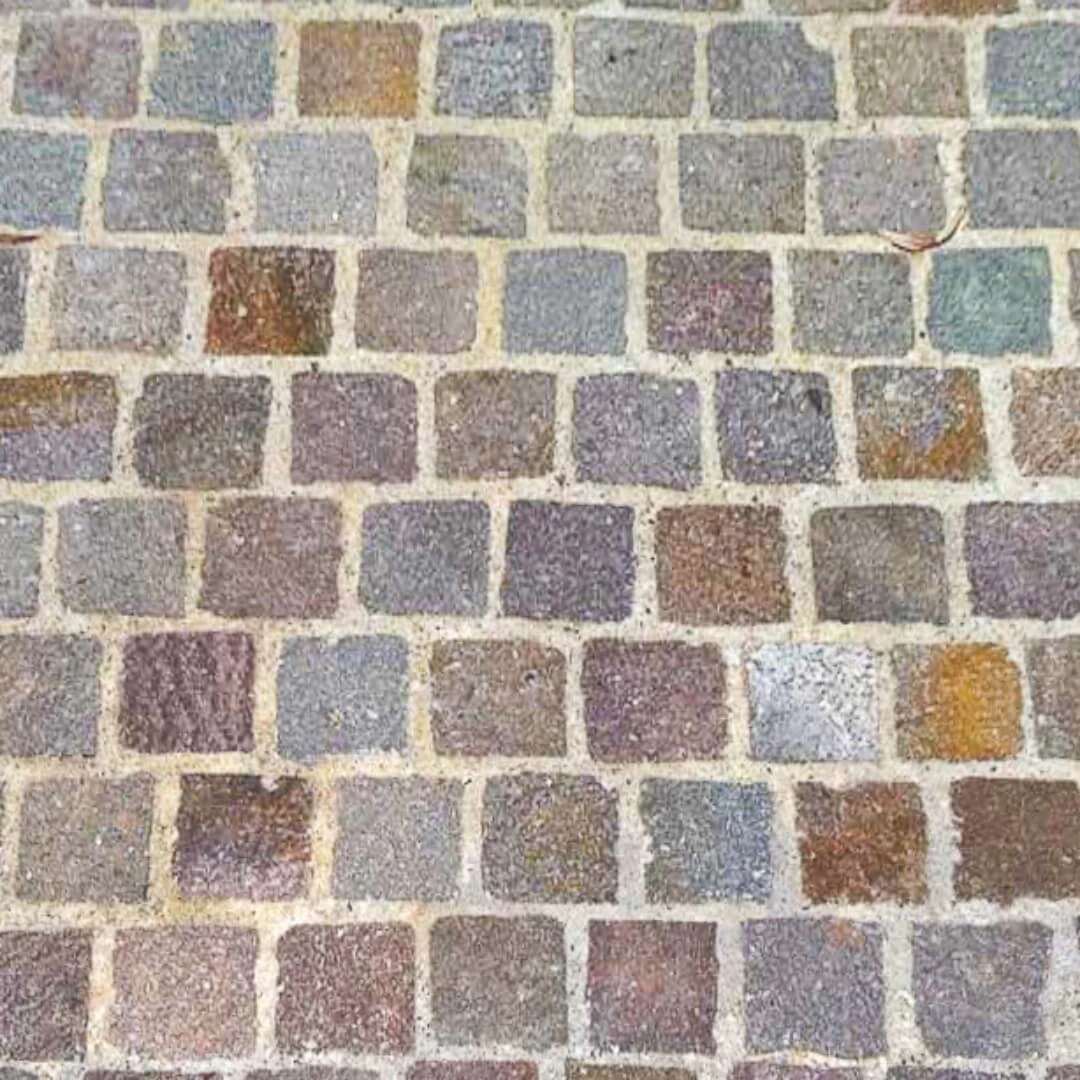
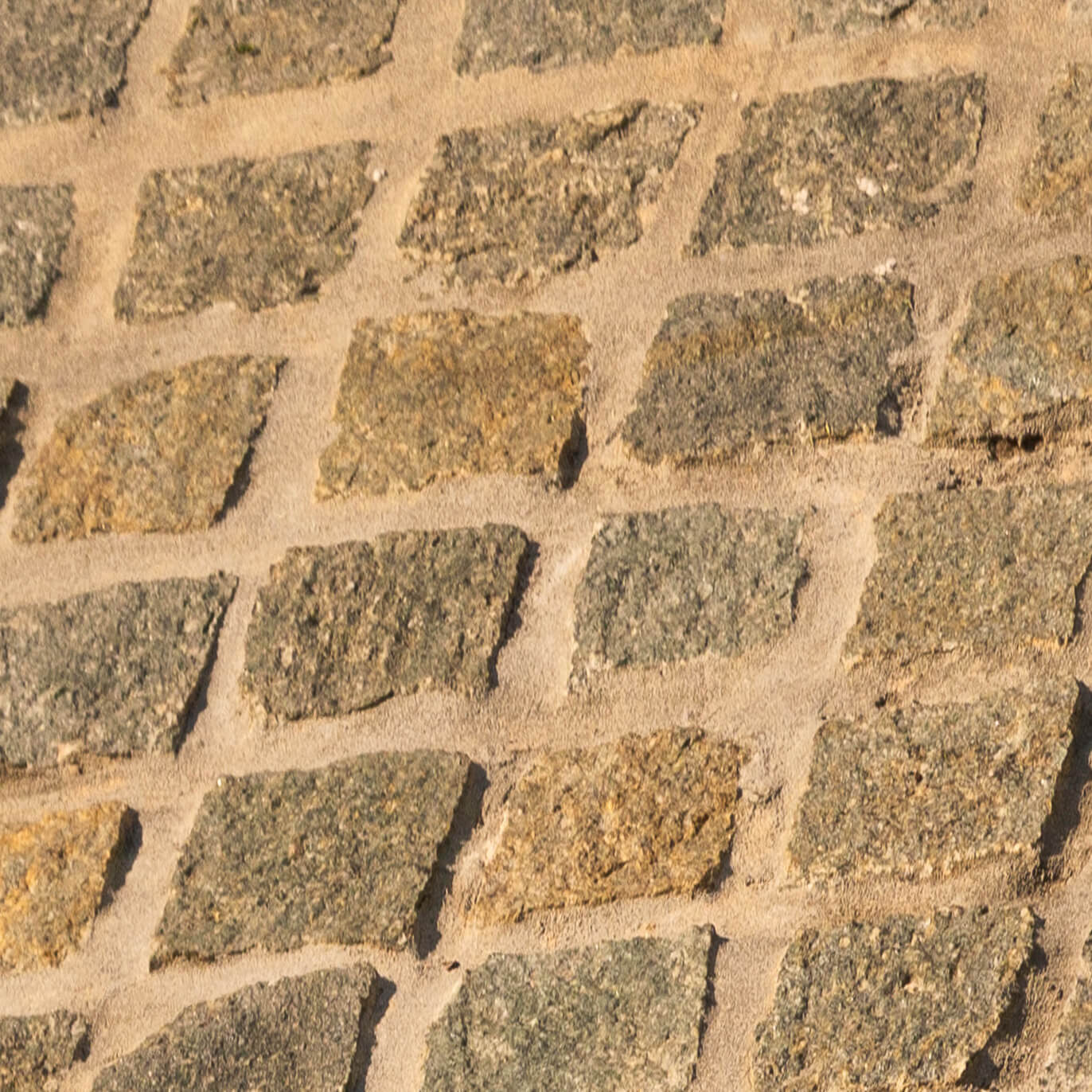
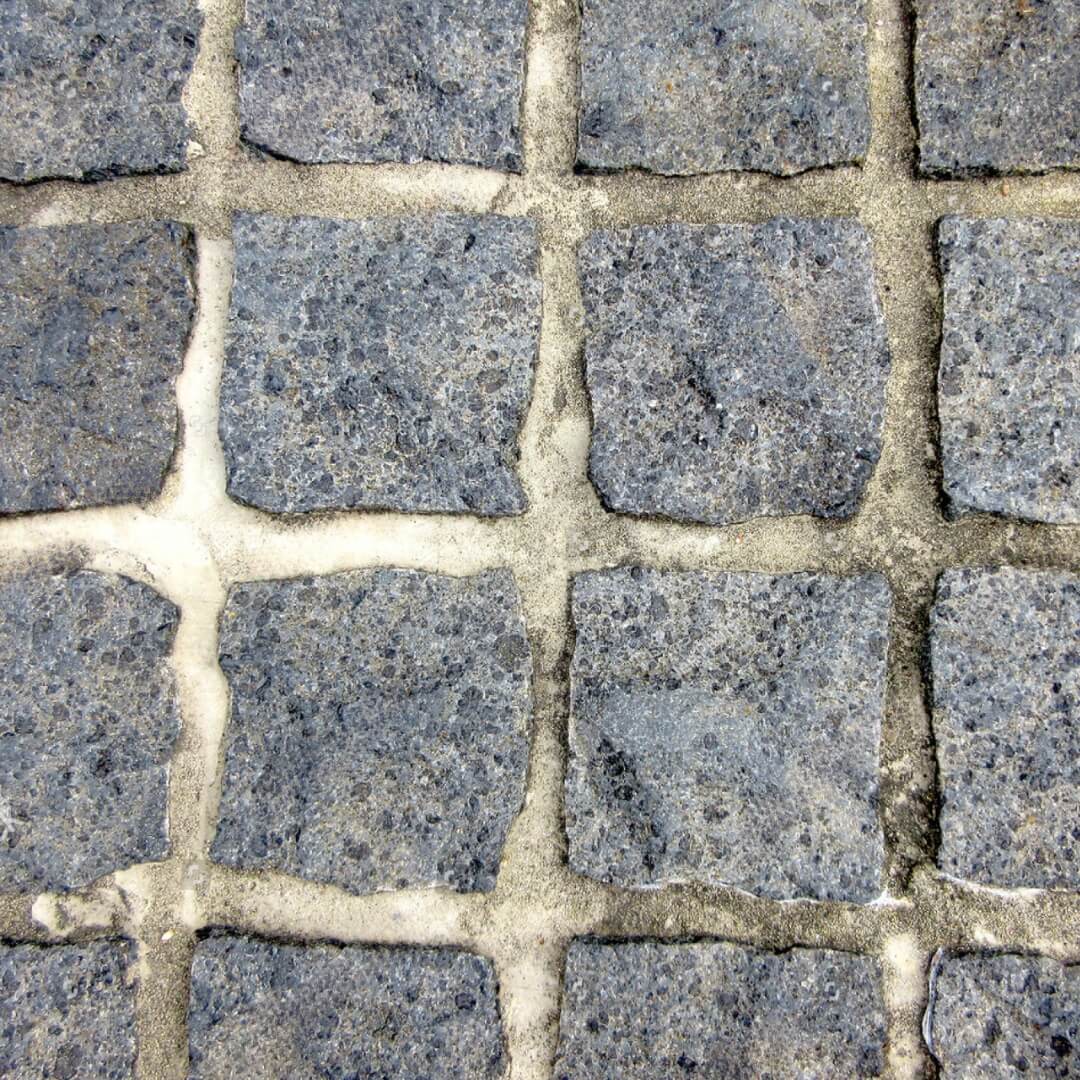
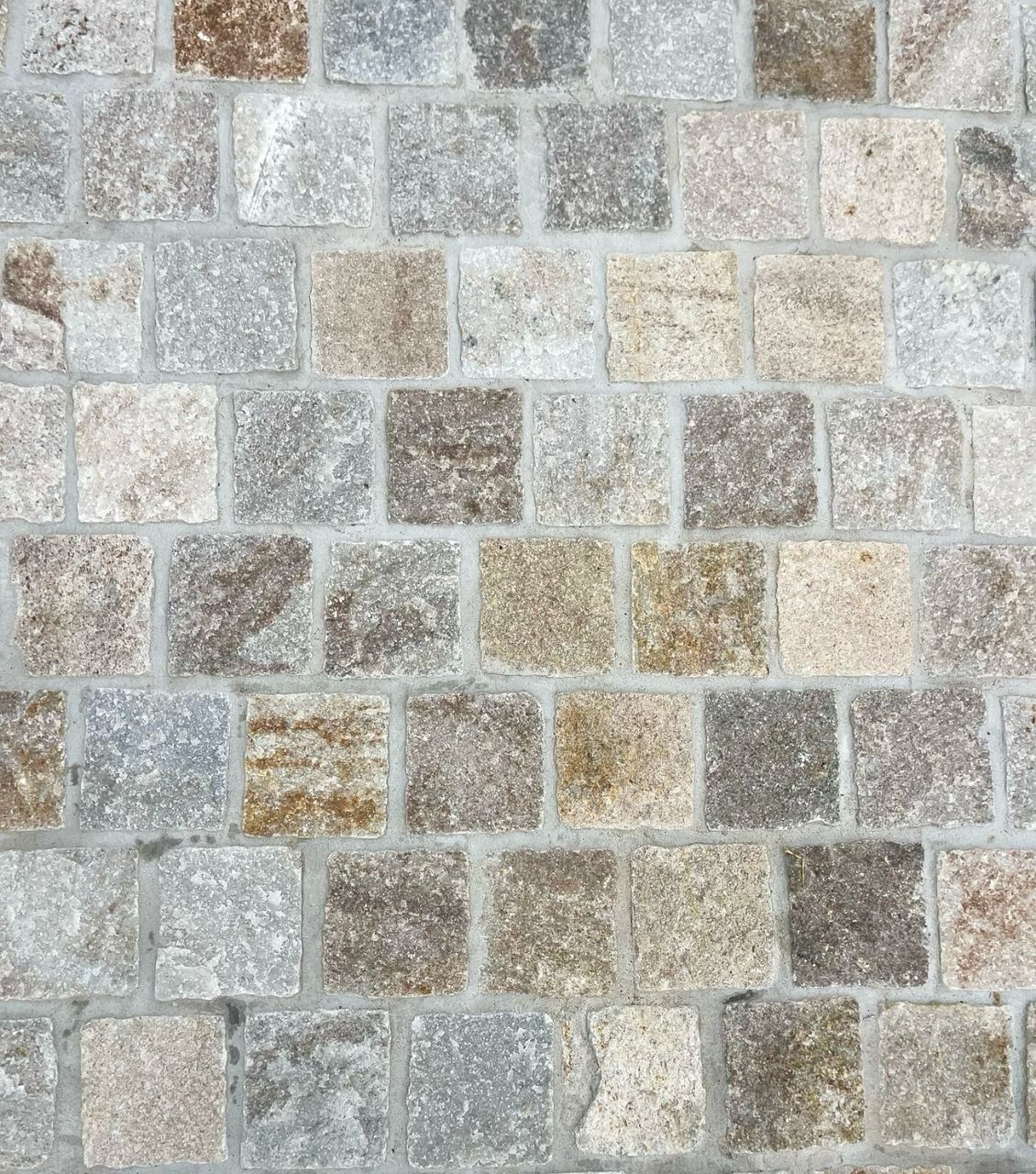
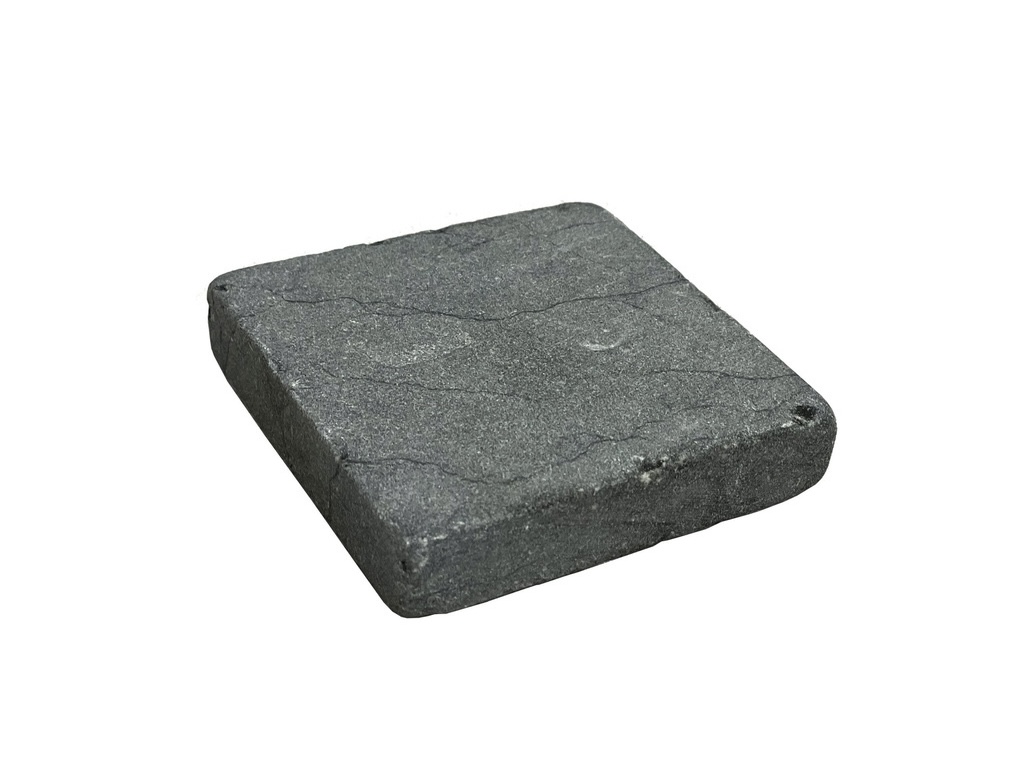
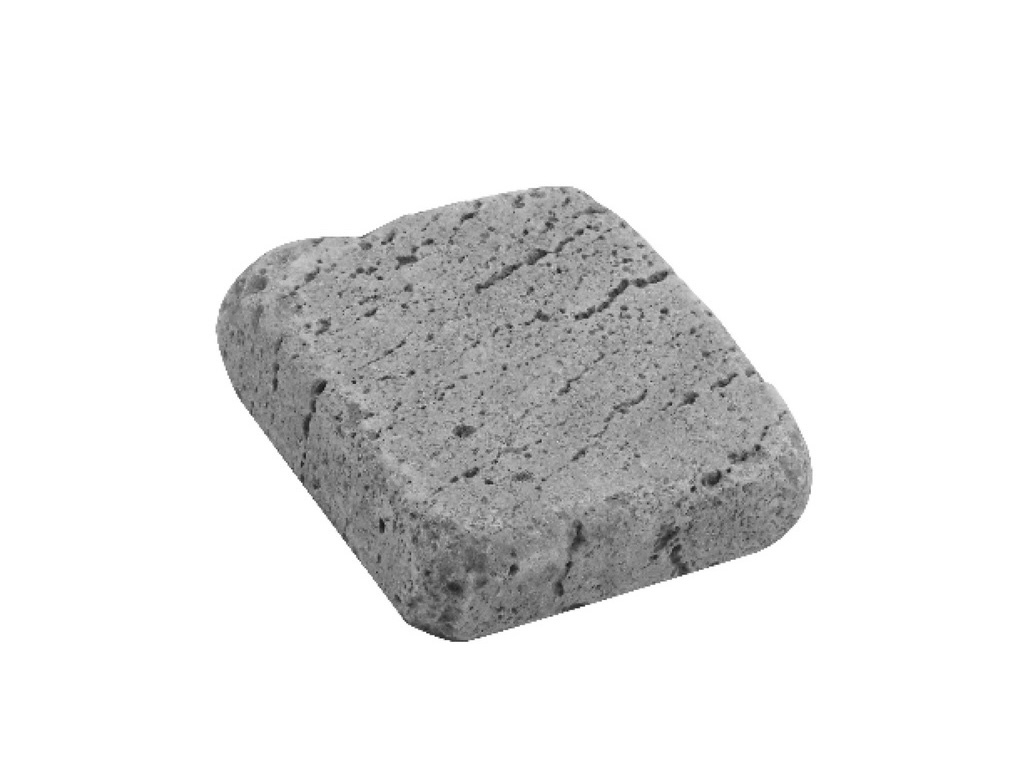
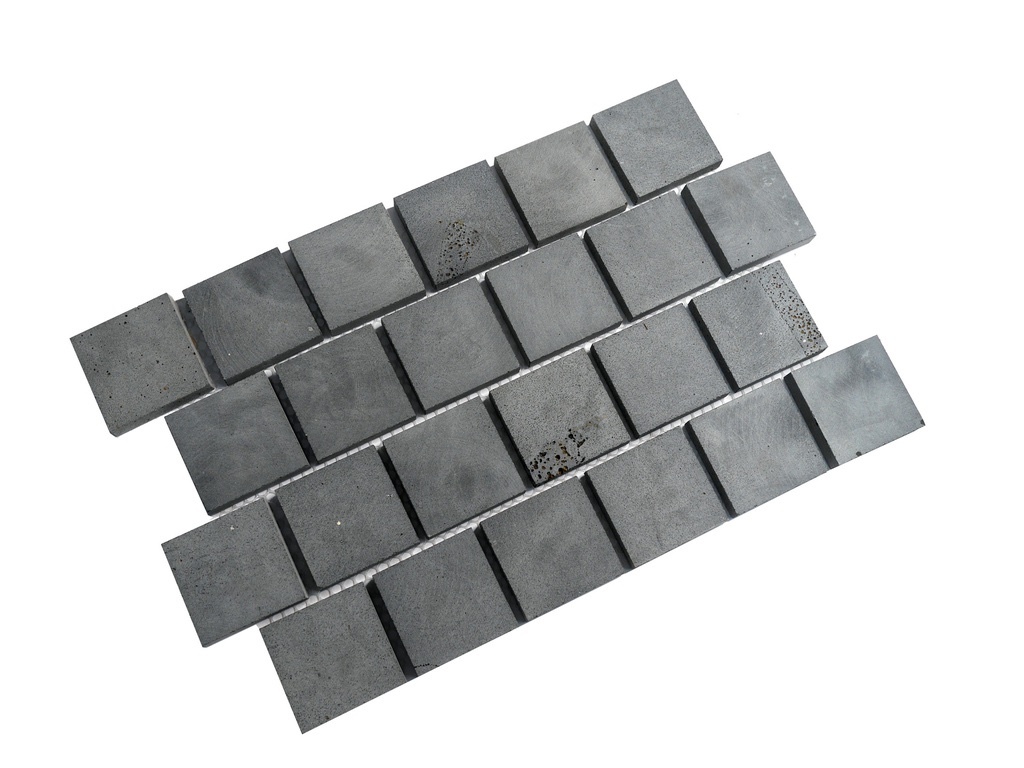
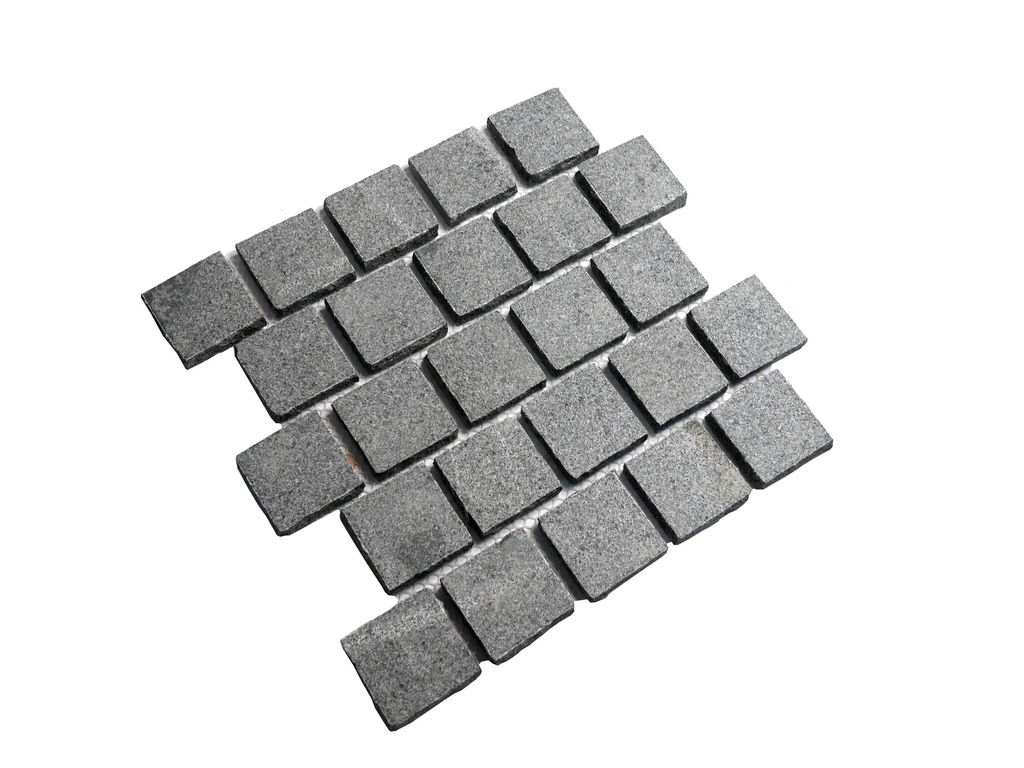
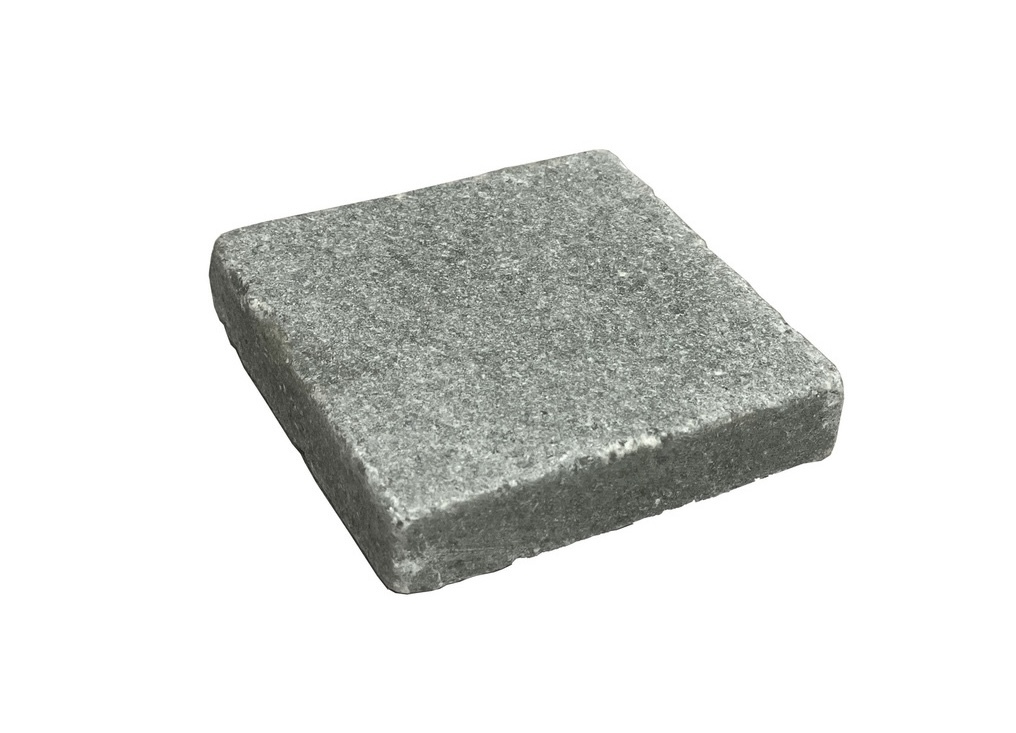
Porphyry Cobbles are natural porphyry cobblestones in warm earthy tones, reds, greys and purples.
We reply within 24 hours
- Dimensions
- 100 × 100 mm
- Thickness
- 20–40 mm
- Freight Australia-wide
- Up to four samples posted free
- Installation across Victoria
- Showroom in Mitcham, VIC
- Trade and retail enquiries welcome
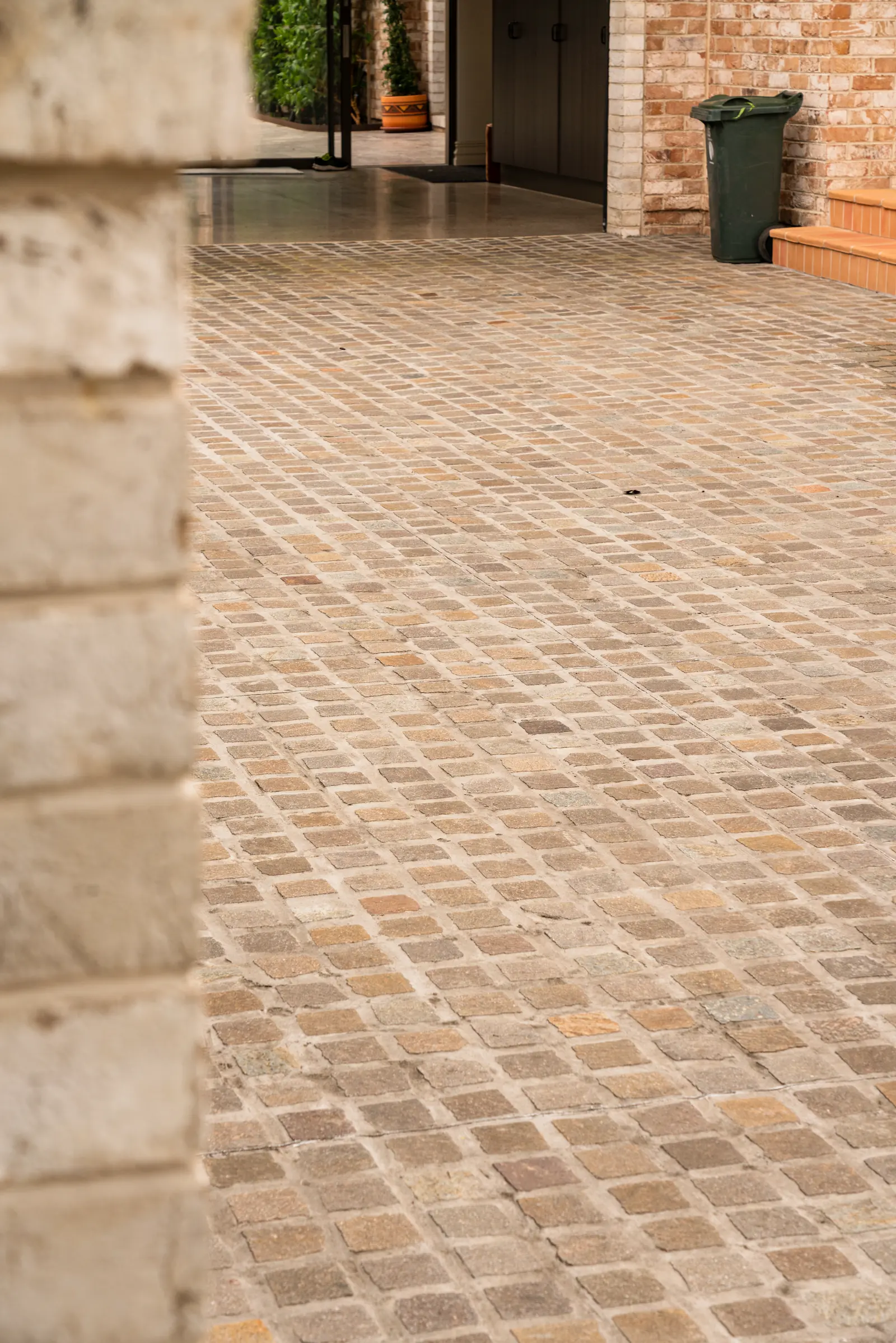
Porphyry is a dense, hard-wearing volcanic stone, so the cobbles suit driveways, entry paths, patios and edging, laid in rows, fans or borders.
FAQCommon
Common
questions
These answers cover choosing stone, ordering, delivery and installation.
Porphyry cobbles are 100 x 100 mm paving stones, 20 to 40 mm thick, cut or split from porphyry, a dense, hard igneous rock. They are laid for driveways, entry paths and edging, in colours from warm earthy tones to reds, greys and purples that vary from cobble to cobble.
Yes. Porphyry is hard and dense enough for cars, provided the cobble thickness, base, bedding, joints and edge restraint are designed for vehicle loads. Agree these with your installer before you order, and keep a few spare cobbles, since a damaged one can usually be lifted and replaced on its own.
Yes. They can be bonded onto a sound, correctly prepared concrete slab, and without a slab they go on a compacted gravel and sand base. Either way the joints are filled with jointing sand or mortar to lock the cobbles in place, and the installer checks the falls and drainage first.
Our Porphyry Cobbles are supplied loose. Each cobble is placed by hand, so they follow curves, fans, borders and edging as easily as straight rows.
Porphyry is dense and absorbs little water, so the stone itself does not strictly need sealing. On driveways and other areas exposed to oil or spills, a breathable sealer helps protect the surface and joints from staining, and the reseal interval depends on the sealer used.
Porphyry cobbles are not usually slippery, because their naturally textured surface gives secure footing in the wet, which suits paths, entries and pool surrounds. Grip still varies with the finish, any sealer and how they are laid, and laying them with falls stops water pooling on the surface.
Sweep regularly, then scrub with a stiff brush and a mild, pH-neutral stone cleaner, avoiding harsh or abrasive products. If you pressure wash, use a wide-angle nozzle held well back so the jointing stays in place, and refill any joints that have worn.
See Porphyry Cobbles in your own light
Choose up to four stones and we’ll post samples free anywhere in Australia, or send your plans for a free quote.