

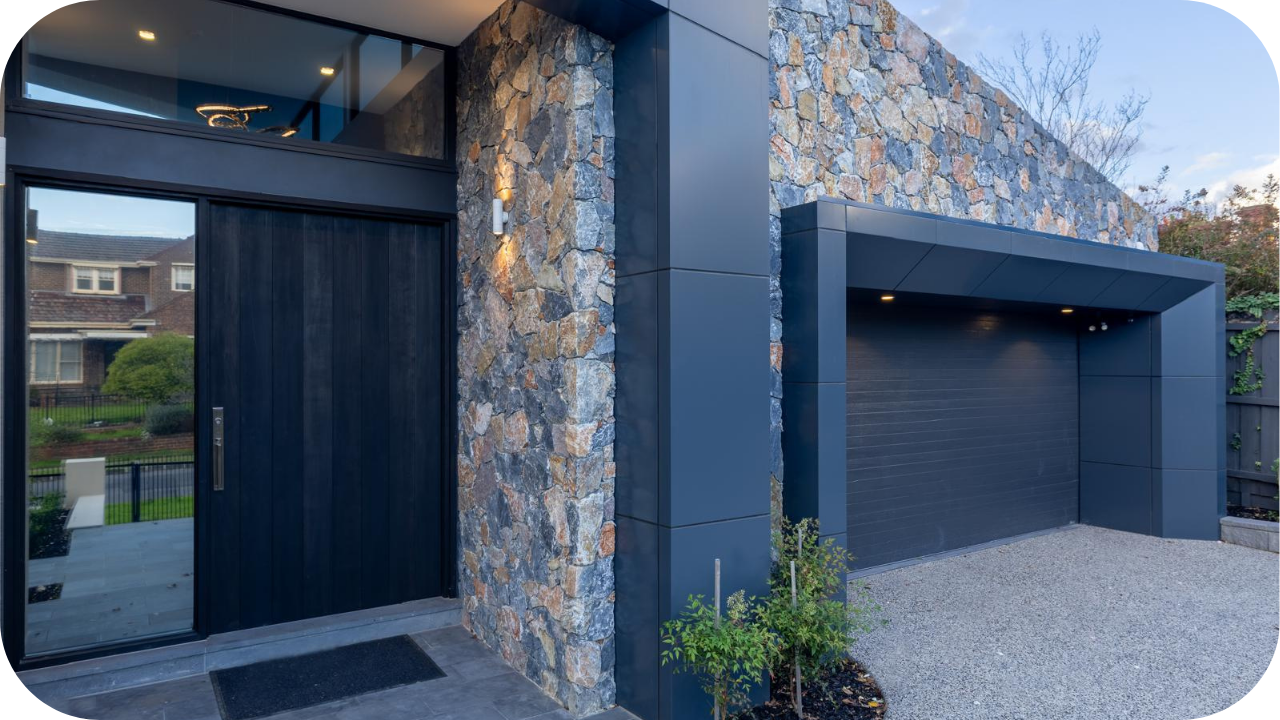
Building in seismic zones demands materials that can withstand the earth’s tremors. Many traditional cladding options fail to offer the necessary durability, leaving structures vulnerable to damage and costly repairs.
Beloka Limestone, known for its resilience, presents a promising solution. This article breaks down its suitability for exterior cladding in high seismic activity areas, ensuring safety and longevity for your buildings.
Can Beloka Limestone Be Used for Exterior Cladding in Areas With High Seismic Activity?
Yes. Beloka Limestone can be used for exterior cladding in areas with high seismic activity. Its natural strength and durability enable it to withstand seismic forces, providing a stable, secure cladding option for buildings in earthquake-prone regions. Proper installation techniques further enhance its performance in such environments.
Properties Beloka Limestone
Beloka Limestone is a natural stone known for its durability, aesthetic appeal, and workability. It is commonly used for exterior cladding, flooring, and landscaping due to its weather resistance and structural integrity.
- Durability & Strength: Beloka Limestone is a dense and durable natural stone, making it suitable for exterior cladding.
- Compressive Strength: Can withstand moderate structural loads but requires proper support in seismic zones.
- Porosity & Moisture Resistance: Has some porosity, meaning it can absorb water if not sealed properly, requiring moisture management.
- Weather Resistance: Performs well across various climates; sealing enhances longevity.
- Brittle Nature: Like most sedimentary rocks, it is prone to cracking under extreme stress, especially in areas with high seismic activity.
- Seismic Adaptability: Requires flexible anchoring systems or reinforced backing to reduce cracking risks in earthquake-prone regions.
- Weight Consideration: As a heavier material, it demands a strong support system to prevent detachment during tremors.
- Aesthetic Appeal: Features earthy tones and natural variations, adding visual character to buildings.
- Workability: This can be cut and shaped to suit various architectural styles, but installation must comply with proper seismic guidelines.
Challenges of Exterior Cladding in Seismic-Prone Areas

Using exterior cladding in seismic-prone areas presents several challenges that must be carefully addressed. One of the biggest concerns is structural movement, as earthquakes cause buildings to shift and sway. Materials such as Beloka Limestone, which are naturally rigid and brittle, may crack or detach if not installed using seismic-resistant techniques.
Another challenge is anchoring and attachment, as traditional cladding installation methods may not withstand intense shaking. Flexible anchoring systems and reinforced backing are often necessary to reduce the risk of detachment.
The weight of the material is also a critical factor. Heavier stones put more strain on a building’s structure, increasing the risk of façade failure during a quake. Additionally, vibration-induced weakness can occur over time, where minor tremors create micro-fractures in the stone, leading to larger cracks.
Moisture infiltration is another issue, as seismic activity can cause small cracks that allow water to seep in, potentially leading to freeze-thaw damage in colder climates.
Moreover, installing seismic reinforcements, such as bracing and flexible adhesives, increases project costs. Compliance with strict building codes in high-seismic areas further complicates installation, requiring careful planning and engineering to ensure the cladding remains secure and durable.
Engineering Solutions for Using Beloka Limestone in Seismic Areas
Without appropriate engineering solutions, rigid materials such as Beloka Limestone can crack or detach under seismic stress. By using innovative installation techniques and structural reinforcements, this natural stone can be made safer and more resilient in high-seismic areas. Here’s how:
1. Flexible Anchoring Systems
In high-seismic areas, traditional rigid attachments can lead to cladding failure. Flexible anchoring systems, such as seismic clips and brackets, allow for slight movement during an earthquake, reducing stress on the stone. These systems help distribute forces evenly, preventing cracks and detachment.
2. Reinforced Backing Structures
To enhance the structural integrity of Beloka Limestone cladding, reinforced backing is essential. Using steel-reinforced concrete panels, metal subframes, or fibre cement boards behind the stone provides added support and helps the cladding absorb vibrations without failing.
3. Seismic Expansion Joints
Expansion joints allow buildings to flex without damaging the exterior cladding. In seismic zones, these joints must be strategically placed to accommodate movement. They help prevent stone cracking and separation by absorbing lateral forces during tremors.
4. Lightweight Penalisation
Reducing the overall weight of the stone cladding can lower seismic risks. Thin-cut Beloka Limestone panels, combined with lightweight aluminium honeycomb backing, provide the same aesthetic appeal while significantly reducing structural load, making the cladding more earthquake-resistant.
5. Shock-Absorbing Adhesives
Using high-performance flexible adhesives instead of traditional rigid mortar helps the cladding flex during an earthquake. These adhesives act as shock absorbers, allowing minor movements without compromising the limestone’s integrity.
6. Mechanical Fixing Systems
Instead of relying solely on adhesives, mechanical fastening methods such as undercut anchors, stainless steel fasteners, or rail systems ensure the limestone remains securely attached, even under seismic loads. These systems provide extra security against detachment.
7. Regular Structural Assessments
Seismic activity can weaken cladding over time, making periodic inspections essential. Engineers should regularly assess anchors, fixings, and joints to identify stress points, ensuring long-term durability and compliance with seismic safety standards.
Alternative Cladding Options for High-Seismic Areas

While Beloka Limestone has aesthetic appeal, its rigidity can pose challenges in earthquake-prone zones. Several alternative materials offer greater flexibility, impact resistance, and structural security in high-seismic areas.
1. Engineered Stone Panels
Designed to mimic natural stone, engineered stone panels are reinforced with resins and polymers, making them more flexible and crack-resistant. They are also lighter than natural limestone, reducing structural load and improving seismic performance.
2. Fibre Cement Cladding
Fibre cement panels combine cement, sand, and cellulose fibres, offering high durability with lower weight. They can withstand seismic movement better than brittle materials and are often used for modern, impact-resistant facades.
3. Lightweight Concrete Panels
Precast lightweight concrete panels with internal reinforcement provide structural stability while maintaining flexibility. Their reduced weight lowers the risk of detachment, making them a safer alternative to heavy stone cladding.
4. Metal Cladding System
Materials such as aluminium, steel, and zinc cladding offer exceptional strength and flexibility under seismic conditions. Their low weight and ability to absorb movement make them a popular choice for earthquake-resistant buildings.
5. Glass-reinforced concrete (GRC) Panels
GRC panels contain glass fibre reinforcements, enhancing flexibility and impact resistance. They offer the appearance of stone but are significantly lighter and more adaptable in high-seismic areas.
6. Brick Veneer Cladding
Unlike solid brick, brick veneer is lighter and installed with flexible ties, allowing movement without cracking. It provides a traditional aesthetic with improved seismic adaptability.
Cost Considerations of Using Beloka Limestone for Exterior Cladding in Seismic Zone

Using Beloka Limestone for exterior cladding in high-seismic areas involves more than just material costs. While limestone is a mid-range natural stone, additional costs arise from the engineering solutions required to improve its seismic performance.
The material cost of Beloka Limestone depends on sourcing, processing, and finishing. However, installation costs are often higher than those of lightweight alternatives due to the need for reinforced anchoring systems, flexible adhesives, and structural supports. These measures prevent cracking and detachment during earthquakes but significantly increase labour and material expenses.
Maintenance is another cost factor. Unlike engineered stone or fibre cement panels, limestone requires periodic sealing to protect against moisture infiltration and freeze-thaw damage. Additionally, if seismic activity causes hairline fractures, repairs or replacements may be required, increasing long-term expenses.
When comparing cost vs. performance, Beloka Limestone offers durability and aesthetic appeal, but it may not be the most budget-friendly option in earthquake-prone zones.
Conclusion
Beloka Limestone offers durability and timeless appeal, but using it in high-seismic areas requires proper reinforcement to ensure long-term stability. With the right engineering solutions, it can still be a reliable cladding option.
If you’re considering Beloka Limestone for your project, Splendour in Stone provides expert advice and high-quality materials. Contact us today to explore the best solutions for your build.



