Jasper Limestone Guide: Benefits, Durability, Colour and Design Uses

Jasper Limestone tends to land on shortlists when a project needs walling that feels bold, textured, and properly architectural, without slipping into something overly polished or fussy. The smoky greys and graphite movement give it a different presence to most beige-toned limestones, which is part of why it gets specified for feature walls and façades where the stone is meant to do real visual work.
This guide is written for homeowners, designers, builders, and landscapers, comparing Jasper Limestone for upcoming projects.
You will get a clear take on its benefits, durability, colour profile, insulation qualities, design applications, and what to check before specifying it.
In this guide
- What Is Jasper Limestone?
- Jasper Limestone at a Glance
- What Are the Main Benefits of Jasper Limestone?
- How Durable Is Jasper Limestone Over Time?
- Is Jasper Limestone Easy to Maintain?
- How Can You Enhance the Colour of Jasper Limestone Naturally?
- Is Jasper Limestone a Good Insulator?
- What Colours and Textures Define Jasper Limestone?
- Where Can Jasper Limestone Be Used in Design?
- Does Jasper Limestone Suit Modern and Traditional Designs?
- Jasper Limestone Pros and Cons
- How to Choose Jasper Limestone for Your Project
- Why Choose Splendour in Stone for Jasper Limestone?
- Conclusion
- Frequently Asked Questions
What Is Jasper Limestone?
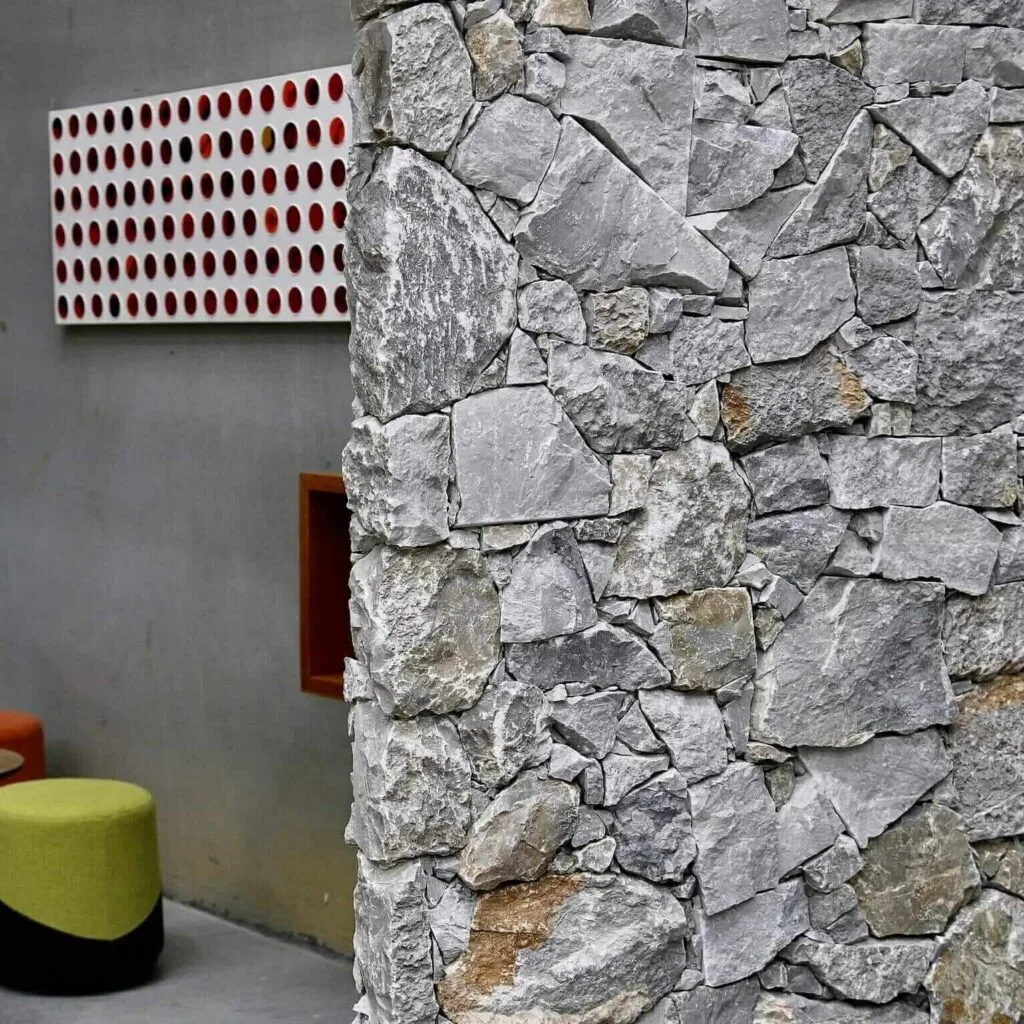
Jasper Limestone is a natural limestone walling stone known for its smoky grey tones, graphite movement, warm ochre hints, and raw cleft texture. It is supplied in random sizes from 150mm to 600mm with thicknesses around 25 to 35mm, which gives it a piece-by-piece, hand-laid character once installed.
Its main role is as a walling stone. It suits feature walls, fireplaces, façades, garden walls, and architectural walling where the design calls for texture, shadow, and natural variation rather than a flat or uniform finish. The cleft surface catches light differently across the day, so a wall in Jasper reads with depth and movement instead of sitting visually flat.
Jasper Limestone at a Glance
| Feature | Jasper Limestone Guide |
| Stone type | Natural limestone |
| Best suited for | Wall cladding, feature walls, fireplaces, façades, garden walls |
| Colour profile | Smoky grey, graphite, subtle bronze, and warm ochre tones |
| Texture | Natural cleft surface with strong light and shadow movement |
| Design style | Contemporary, industrial, rustic, coastal, traditional |
| Maintenance level | Moderate, with correct cleaning and sealing |
| Durability | Strong for suitable walling applications when installed correctly |
| Finish impression | Textural, grounded, architectural, and natural |
The summary above is a starting point. The right specification still depends on the application, exposure, surrounding palette, and installer skill, all of which are covered in the sections that follow.
What Are the Main Benefits of Jasper Limestone?
Strong Natural Character
Jasper Limestone brings depth, texture, and movement without relying on artificial patterning. The smoky greys and graphite streaks shift across each piece, so a wall reads as a genuine natural surface rather than a manufactured panel system.
Versatile Design Appeal
The stone works across modern, rustic, traditional, and industrial projects. In contemporary builds it pairs well with clean lines and dark joinery. In traditional homes it adds weight without feeling overly formal. In industrial settings, the graphite tones sit naturally alongside steel, concrete, and exposed structural elements.
Suitable for Statement Walls
Jasper Limestone is a strong choice for fireplaces, garden walls, entry walls, alfresco zones and façades, all of which rely on the stone holding attention as a visual feature. The cleft texture and tonal movement give these applications real presence, whether the wall is two metres or two storeys.
Long-Term Visual Value
Natural stone ages with character when it is cleaned, sealed, and installed correctly. Jasper Limestone earns more design value over the years rather than dating quickly, which matters for projects where the design is meant to outlast the next trend cycle.
Practical Walling Format
The random size range, from 150mm to 600mm with 25 to 35mm thickness, helps create the natural, piece-by-piece finish that defines the look. The format also gives installers flexibility around corners, returns, and openings, where rigid sizing can otherwise force awkward cuts.
How Durable Is Jasper Limestone Over Time?
Jasper Limestone is durable when used in the right application, installed properly and maintained sensibly. Its long-term performance is not a property of the stone alone. It is the combined result of substrate preparation, fixing method, drainage, sealing, exposure level, and the care routine that follows handover.
Treated as a walling and cladding material, which is where it is intended to perform, Jasper Limestone holds up well over years of normal exposure. Treated as a universal stone for every surface, including high-wear floors or constantly wet zones, it is being asked to do something it was not designed for.
Outdoor applications add their own variables. Moisture, salt-laden coastal air, urban pollution, intense sun exposure, and poor installation detail can each affect how the stone looks over time. None of these is a reason to avoid Jasper Limestone outdoors. There are reasons to specify it properly and use installers who understand exterior stonework.
What affects durability:
- Correct installation: A stable substrate, a suitable adhesive or fixing method, and professional workmanship help the stone stay secure and looking right over time.
- Moisture management: Good drainage detailing and proper sealing reduce the risk of staining, weathering, and moisture-related surface issues.
- Application choice: Jasper Limestone performs best when matched to suitable walling, cladding, and feature applications rather than being forced into every surface type.
- Cleaning routine: Gentle, pH-neutral cleaning prevents surface build-up without damaging the stone’s natural cleft texture.
- Exposure level: Harsh weather, intense sun, and heavy pollution may change the stone’s appearance gradually, which should be factored into the specification for high-exposure sites.
Is Jasper Limestone Easy to Maintain?

Jasper Limestone is manageable to maintain with the right routine. It is not maintenance-free, but the standard care routine is straightforward, and most owners settle into it within a few months.
For interior walls, regular light dusting or soft brushing keeps surface dust off the cleft texture.
For exterior walls, gentle washing handles the build-up that comes with outdoor exposure. Across both, the same rules apply: pH-neutral cleaning products, no acidic or abrasive cleaners, no harsh pressure washing that can drive water into joints or damage the surface finish.
Splendour in Stone recommends sealing natural stone to help preserve longevity, and can assist with sealing and cleaning product recommendations.
Routine maintenance steps:
- Remove loose dust and debris first. A soft brush, microfibre cloth, or low-pressure rinse is enough to clear the surface before any cleaner goes on.
- Clean with a pH-neutral solution. Use a stone-safe cleaner suited to limestone. Avoid all-purpose household cleaners that contain acids, bleach, or strong solvents.
- Rinse gently without flooding the surface. Keep water volume controlled, especially on exterior walls, to avoid pushing moisture into joints or behind the stone.
- Avoid acidic or abrasive cleaners. Vinegar, lemon, bleach, and abrasive pads will etch or scratch limestone over time, even if the damage is not visible after a single use.
- Reseal when recommended for the application. Resealing intervals depend on the exposure, traffic, and surface, so ask your supplier or installer for a realistic schedule for your project.
For exterior walls, inspect the stone after heavy weather, prolonged sun, or seasonal change, and address any issues early rather than letting them compound.
How Can You Enhance the Colour of Jasper Limestone Naturally?
Colour enhancement on natural stone is best approached carefully. The smoky greys, graphite movement, and ochre hints in Jasper Limestone are already strong characteristics. Most projects do not need aggressive enhancement, just proper cleaning and the right sealer to let the natural tonal range show through clearly.
Start with cleaning. Dust, surface grime, and installation residue dull the appearance of any stone, and the difference a thorough clean makes is often greater than any enhancer applied afterwards. From there, a suitable stone-safe sealer or enhancing sealer can deepen the natural colour and lift the contrast between the greys, graphite, and ochre tones.
Always test a small, hidden area first to confirm how the product reacts with the specific batch of stone before applying it to the full wall.
A note worth being direct about: DIY oiling, rubbing techniques, and home-remedy approaches that get suggested online can stain or permanently change the surface of limestone. Sunlight and weathering will also gradually shift the stone’s appearance over time, which is normal.
None of that is a substitute for proper enhancement using products approved for the stone, finish, and application.
| Do | Avoid |
| Clean the stone thoroughly before applying any enhancer. | Applying products over dirt, dust, or moisture. |
| Test in a hidden area first. | Treating the whole wall without a test patch. |
| Use stone-safe sealers or enhancers. | Acidic cleaners, harsh chemicals, or random oils. |
| Follow supplier instructions to the letter. | Aggressive rubbing that may alter the cleft texture. |
| Ask for professional advice on exterior walls. | Assuming all limestone reacts the same way. |
If the stone is on a façade, fireplace, or any high-visibility wall, getting professional advice before applying enhancement products is worth the small extra step. The cost of fixing a stained or damaged feature wall is far higher than the cost of a single supplier conversation.
Is Jasper Limestone a Good Insulator?
Jasper Limestone can support thermal comfort because natural stone has useful thermal mass, but it should work alongside proper building insulation rather than replace it. That distinction matters, both for accurate expectations and for compliance with how Australian homes are actually built.
Thermal mass means the stone absorbs heat slowly during the day and releases it slowly afterwards. In practice, that helps stabilise indoor temperatures, smoothing out the peaks and troughs that lighter, less dense materials cannot moderate as well.
In an interior feature wall, fireplace surround, or exterior façade, this contributes to a more comfortable feel through changing conditions, especially in homes designed with passive principles in mind.
What thermal mass does not do is replace the role of insulation. Insulation reduces heat transfer through walls, roofs, and floors. Thermal mass moderates how quickly temperature changes are felt inside a space. The two work together. A well-designed home uses both, and Jasper Limestone earns its place as part of that picture rather than a stand-alone thermal solution.
For most homeowners and designers, the practical takeaway is this: Jasper Limestone contributes to a comfortable, grounded interior or exterior feel, particularly around fireplaces and on exterior walls exposed to sun. Pair it with proper insulation, sensible orientation, and considered glazing decisions, and the thermal benefits become a real part of how the space performs day to day.
What Colours and Textures Define Jasper Limestone?
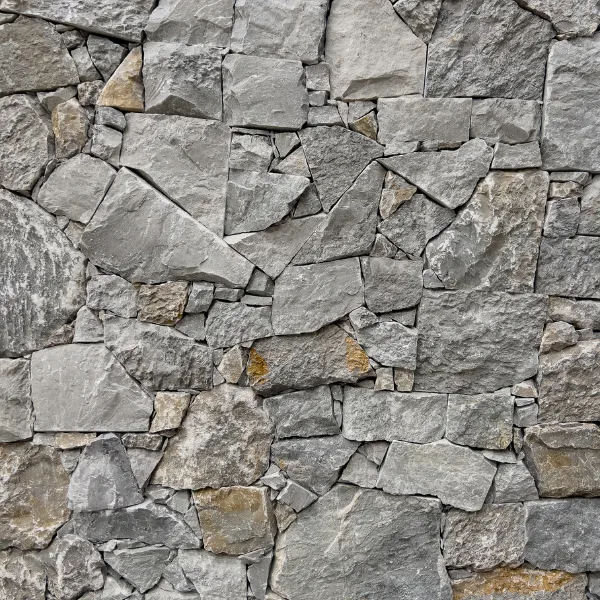
Jasper Limestone reads as a smoky grey stone with graphite movement running through it. The base tone sits in the mid-to-deeper grey range, with darker graphite streaks giving each piece its own character. Subtle bronze and warm ochre hints surface in places, breaking up the cool grey tonality and adding the warmth that keeps the stone from feeling stark.
The texture is where the stone earns its presence. The natural cleft surface is irregular and uneven across the face of each piece, which catches light and shadow in ways that flat or honed surfaces never quite match.
In strong directional light, the wall picks up shadow lines and tonal shifts that change through the day. Under softer ambient light, the stone reads as a calmer, more uniform surface with just enough variation to keep it interesting.
Piece-to-piece variation is part of the design. Some pieces lean greyer, some carry more graphite movement, others show more ochre warmth. Combined with the random size format and cleft surface, that variation gives walls their hand-laid, naturally built character. Sample boards and viewing the stone in actual project lighting before finalising selection both help.
Where Can Jasper Limestone Be Used in Design?

1. Fireplace Walls
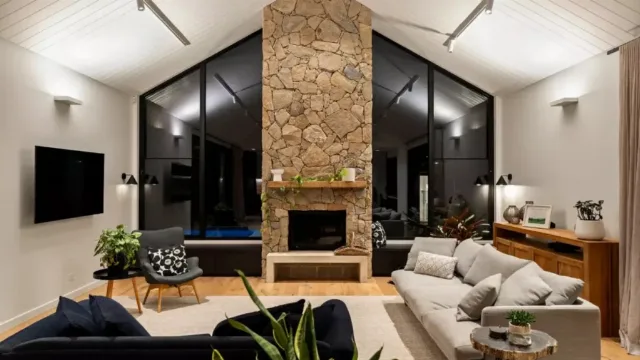
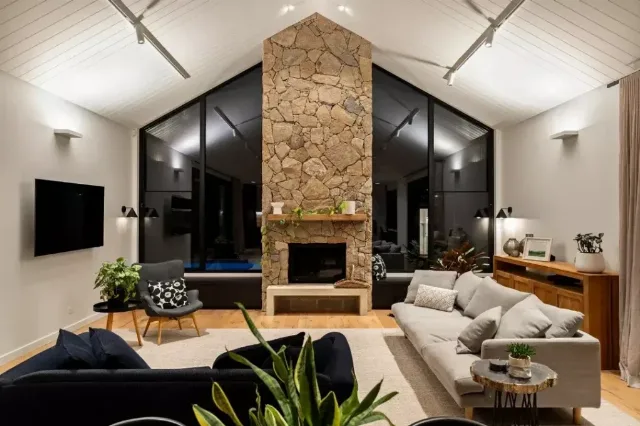
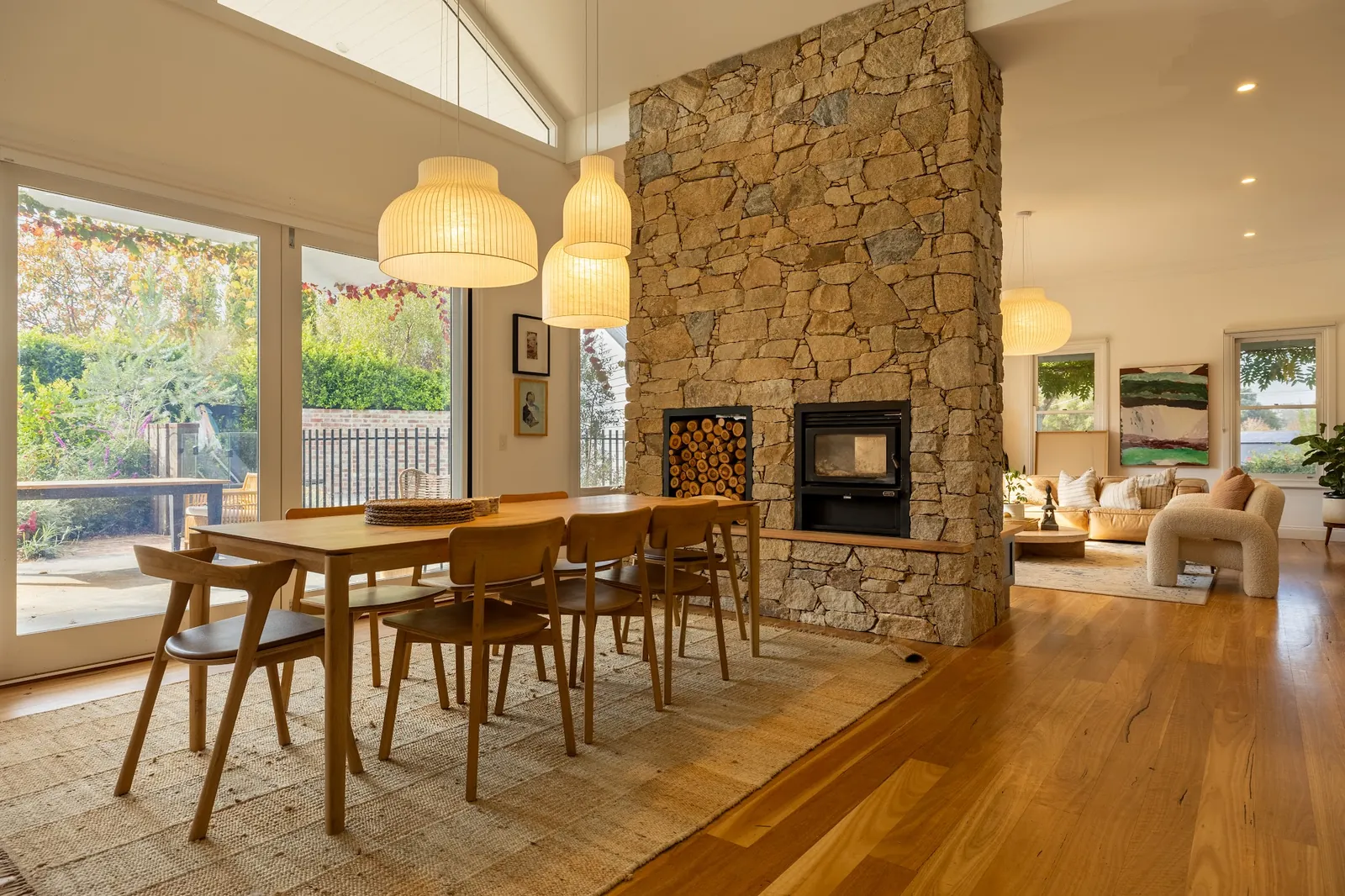
The graphite tones and cleft texture make Jasper Limestone a natural fit for fireplace walls. The darker tonal range holds its own against flame and surrounding interior finishes, while the texture catches firelight and ambient lighting in a way that flat surrounds cannot. It works for simple rectangular surrounds, full-height feature walls, and clad chimney breasts. Heat clearance and substrate detailing should follow the fireplace manufacturer’s specifications.
2. Interior Feature Walls
Indoors, Jasper Limestone earns its place on living room feature walls, entry walls, stairwells, wine room walls, and interior statement zones. The smoky greys ground the space and add architectural weight without darkening the room as much as some buyers expect, especially when paired with warm lighting and timber elements. It is generally used as a single feature surface rather than across multiple walls in one room.
3. Exterior Façades
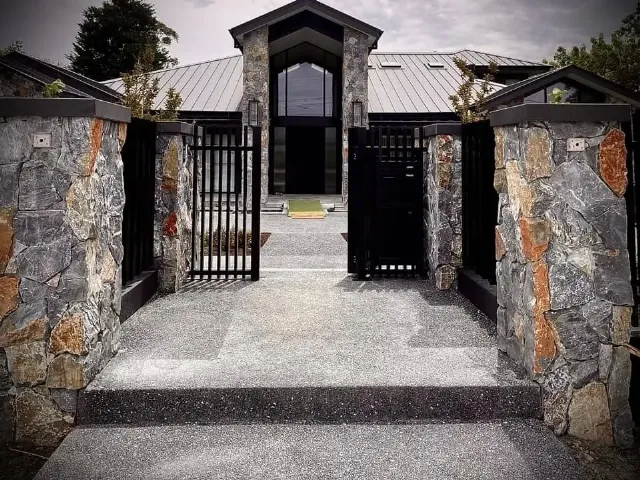
On exterior façades, Jasper Limestone adds street presence, material depth, and the kind of shadow play that makes a building look considered rather than thrown together. It works for full façades, entry feature walls, and partial cladding zones designed to break up larger painted or rendered surfaces. Drainage detailing, sealing, and weather-appropriate fixing methods are all part of getting an exterior application right.
4. Garden and Landscape Walls
In landscaped settings, Jasper Limestone suits garden backdrops, boundary feature walls, alfresco zones and visual retaining walls where structural engineering has been properly addressed. The texture pairs well with planting, timber, and natural ground surfaces. Avoid using it for structural retaining without engineering input. The stone earns its place as a visible finish, not as a load-bearing element in its own right.
5. Commercial and Hospitality Spaces
Jasper Limestone works well in reception areas, restaurants, boutique accommodation, cellar doors and premium retail environments. The architectural character helps these spaces feel grounded and intentional, which matters more in commercial settings than in residential ones, since the design is doing brand work as well as visual work. It pairs well with custom joinery, considered lighting, and material palettes that lean towards natural finishes.
Does Jasper Limestone Suit Modern and Traditional Designs?
Jasper Limestone is one of the more flexible walling stones when it comes to design style. The smoky grey base reads as contemporary, while the cleft texture and natural variation give it the warmth and depth that traditional and rustic interiors call for. The same stone behaves differently depending on what sits around it.
| Design Style | How Jasper Limestone Works |
| Modern homes | Pairs well with clean lines, dark window frames, polished concrete, timber, and restrained landscaping. |
| Traditional homes | Adds natural texture and weight without looking overly formal or glossy. |
| Industrial spaces | Graphite tones and cleft texture suit steel, concrete, dark joinery, and exposed structural details. |
| Coastal homes | Works when balanced with soft planting, light render, pale timber, and relaxed outdoor zones. |
| Rustic designs | Irregular stone shapes create a more grounded, organic finish. |
The surrounding palette does most of the heavy lifting in defining how the stone reads. With black steel framing, polished concrete, and minimal landscaping, it leans modern. With timber beams, render, soft planting, and warm interior fittings, it leans traditional. That is why the same stone earns its place across such a wide range of project types.
Jasper Limestone Pros and Cons
Every stone has trade-offs. Here is a balanced view of what Jasper Limestone offers and what it asks of the buyer.
Pros:
- Distinctive natural colour: Smoky greys, graphite movement, and ochre hints create a strong visual identity that stands apart from typical beige-toned limestones.
- Excellent walling character: The cleft texture gives walls depth, shadow, and a hand-laid natural finish that flat surfaces cannot replicate.
- Design flexibility: Jasper Limestone works across contemporary, rustic, traditional, industrial, and commercial settings.
- Long-term appeal: With proper care, the stone ages naturally and earns design value rather than dating quickly.
Cons:
- Needs correct sealing advice: Natural limestone should be protected according to its application and exposure level, which means getting the specification right at the start.
- Not suited to every surface: Jasper should be specified carefully, especially where heavy wear or constant moisture is involved.
- Professional installation matters: Poor fixing, drainage, or layout decisions can affect both the appearance and the long-term performance of the wall.
The cons are practical specification points to manage, not reasons to avoid the stone.
How to Choose Jasper Limestone for Your Project
A handful of practical checks at the start make the difference between a Jasper Limestone wall that looks right at handover and one that creates problems later. Use these as a working checklist before finalising the order.
- Confirm the application: Decide whether the stone is going on a fireplace, façade, garden wall, entry wall, or interior feature. Each application has different specifications, sealing, and installation requirements, and the answer here drives most of the other decisions.
- Check samples in real light: View the stone in natural light at the actual project site, and in the artificial lighting it will sit under indoors. Colour and texture read differently across lighting conditions, so showroom-only viewing is not enough for high-value feature surfaces.
- Plan the surrounding palette: Pair Jasper with materials that complement the smoky grey, graphite, and warm ochre tones. Timber, render, steel, glazing, and soft landscaping all work, but the specific combination shifts the look significantly.
- Discuss sealing early: Ask about the right sealer for indoor, outdoor, fireplace, or high-exposure applications, and plan the sealing schedule into the build programme rather than treating it as an afterthought.
- Use skilled installers: A piece-by-piece walling stone needs careful layout, considered spacing, and skilled handling around corners, openings, and edge details. Choose installers with real natural stone experience.
- Order enough material: Allow for cuts, corner returns, wastage, and natural variation across the project. Topping up later from a different batch can introduce visible tonal differences in the finished wall.
If you want help applying this checklist to your specific project, request samples or get in touch with Splendour in Stone for project-specific guidance before locking in quantities.
Why Choose Splendour in Stone for Jasper Limestone?
Splendour in Stone supplies a curated range of premium natural stone for Australian residential, commercial, and landscape projects, with strong expertise in walling, façades, fireplaces, and outdoor design.
For Jasper Limestone specifically, that means support with stone selection, finish and format guidance, application suitability, sealing and cleaning advice, and product samples that let you assess the stone in real project conditions. The team works with homeowners, architects, builders, and landscapers on projects ranging from single feature walls to full façade specifications, so the advice comes from real installations rather than catalogue assumptions.
The Melbourne showroom offers in-person sample viewing and project conversations, with supply available across Australia for projects further afield. If you want to talk through whether Jasper Limestone is the right fit for a specific wall, façade, or fireplace, that conversation is the most useful next step.
Conclusion
Jasper Limestone is a strong option for projects that need texture, durability, distinctive colour movement, and real design flexibility. It performs especially well for walling, fireplaces, façades, and feature applications where the stone is meant to do visible architectural work.
Its long-term performance depends on correct specification, proper installation, and a sensible care routine. Get those right and the stone earns its place for decades.
View samples, visit the Splendour in Stone showroom, or get in touch with the team for advice on the right walling option for your project.
Frequently Asked Questions
Is Jasper Limestone suitable for outdoor walls?
Yes, Jasper Limestone is suitable for outdoor walls when specified, installed, and sealed correctly for the exposure level. Drainage detail, weather-appropriate fixing methods, and the right sealer all matter. For high-exposure coastal or polluted sites, ask your supplier for specific advice before finalising the specification.
Can Jasper Limestone be used around fireplaces?
Yes, Jasper Limestone works well for fireplace walling, surrounds, and clad chimney breasts. The texture and tonal range suit both modern and traditional fireplace designs. Installation must follow the fireplace manufacturer’s heat clearance, substrate, and safety requirements, and the stone should be sealed correctly for long-term appearance.
Does Jasper Limestone need sealing?
Sealing is generally recommended for natural limestone, especially where moisture, staining, or weather exposure is likely. The right sealer reduces the risk of long-term marks and helps maintain the stone’s appearance. Resealing frequency depends on the application and exposure, so ask your supplier for a realistic interval for your specific project.
What colours does Jasper Limestone have?
Jasper Limestone is defined by smoky grey base tones, graphite streaks, and subtle bronze and warm ochre hints. The combination gives the stone its distinctive architectural character. Tonal variation across pieces is part of the design, so each wall develops its own natural colour movement rather than reading as a uniform surface.
Is Jasper Limestone modern or traditional?
Both. The smoky grey base and architectural character suit modern and industrial builds, while the cleft texture and natural variation give traditional, coastal, and rustic projects the warmth and depth they call for. The surrounding palette and architectural style determine which side of the spectrum the stone leans towards in a finished space.
How do you clean Jasper Limestone?
Use gentle cleaning methods and pH-neutral stone-safe products. Sweep or brush off loose dust first, then clean with a stone-appropriate solution, and rinse gently without flooding the surface. Avoid acidic cleaners, bleach, abrasive pads, and harsh pressure washing, all of which can damage the limestone surface over time.