More than 60% of Australian homeowners choose natural stone for their outdoor projects, yet many still worry about how well limestone stands up to our mild climate. It is a fair concern.
Intense heat, heavy rain, coastal salt, and everyday wear can turn the wrong material into an ongoing headache. No one wants faded paving or crumbling edges spoiling their space.
Limestone can be incredibly durable when chosen and installed correctly. This guide walks you through how it performs in Australian conditions and what to look for when selecting the right type!
In this guide
- How Limestone Performs in Australian Weather Conditions
- Factors That Affect Limestone Durability in Australian Climates
- How Limestone Performs in Common Australian Applications
- Comparing Limestone Durability to Other Natural Stones
- Common Issues Limestone May Face in Australia
- How to Maximise Limestone Durability Outdoors
- Why Australians Choose Limestone from Splendour in Stone
- Final Thoughts
How Limestone Performs in Australian Weather Conditions
Here are the key ways limestone responds to the wide mix of Australian weather patterns, helping you understand how it holds up outdoors across different regions and climates.
1. Heat and Intense Sun Exposure
Limestone handles high temperatures well and stays comfortable underfoot, even in summer. Strong UV can gradually lighten its tone, but quality sealing and the right finish help maintain a consistent look. This makes limestone options such as Loch limestone a reliable choice for exposed patios and pathways.
2. Heavy Rainfall and Moisture
Limestone performs well in wet areas when the correct density and finish are chosen. Proper sealing reduces water absorption and minimises staining or surface softening.
Choosing varieties such as Brooklyn Limestone, with good drainage and installation, it remains stable and attractive through seasonal rain and high humidity.
3. Coastal Salt and Ocean Air
Coastal conditions introduce salt exposure, which can affect softer limestone varieties. High-density limestone, like Berkshire limestone, and appropriate sealing provide better protection.
With correct care, it remains strong and visually consistent, making it suitable for coastal homes with proper product selection.
4. Cooler Climates and Freeze-Thaw Cycles
Some southern regions experience freeze-thaw conditions that can stress porous stone. Choosing dense limestone, such as Selene limestone, and ensuring correct bedding helps limit cracking or surface wear.
When installed properly, limestone remains durable and dependable even in cooler Australian climates.
Factors That Affect Limestone Durability in Australian Climates
Several natural and external factors influence how well limestone performs across Australia’s varied weather conditions. Here are the elements that most strongly shape long-term strength, appearance and stability.
- Density and Porosity: Denser limestone absorbs less moisture, which improves durability in wet, humid or coastal regions. Lower porosity also reduces staining risks and helps the stone maintain its structural integrity outdoors.
- Finish and Surface Texture: Different finishes handle weather conditions differently. Textured options improve natural grip and wear, while smoother finishes may need more frequent sealing to preserve appearance and prevent moisture movement.
- Stone Thickness: Thicker limestone withstands heavy loads and repeated foot traffic more effectively. Adequate thickness also protects against cracking and subtle movement caused by changing temperatures throughout the year.
- Installation Quality: Proper stone installation preparation, drainage and substrate preparation greatly influence performance. Skilled installation prevents moisture pooling, movement and premature wear, helping limestone last for many years in outdoor spaces.
- Sealing and Maintenance: Correct sealing reduces moisture entry and staining, while routine cleaning helps preserve colour and texture. Consistent care supports strong long-term performance in almost all Australian climates.
How Limestone Performs in Common Australian Applications
Limestone adapts well to many outdoor uses when matched with the right grade and finish. Here are performance insights for the most common applications found in Australian homes and landscapes.
1. Driveways and High Load Areas
High-density limestone performs reliably in driveway settings when installed at the correct thickness and supported by a stable base.
It offers strong load-bearing capability and maintains visual appeal with proper sealing. This makes it suitable for residential driveways that experience regular vehicle traffic and changing temperatures.
2. Pool Surrounds and Water Features
Limestone remains cool underfoot, which makes it ideal for sunny pool paving and coping areas. Its textured finishes provide safe natural grip, while correct sealing protects against saltwater, chlorine and moisture exposure.
These qualities create a comfortable, visually refined surface suited to both family pools and resort-style outdoor living.
3. Patios, Paths and Alfresco Areas
Limestone offers a comfortable walking surface that suits high-use outdoor zones. Its natural tones enhance modern and traditional styles, while durability improves with routine maintenance.
Adequate thickness and sealing help the stone withstand foot traffic, furniture movement and seasonal weather variations common across many Australian suburbs.
4. Walling and Facades
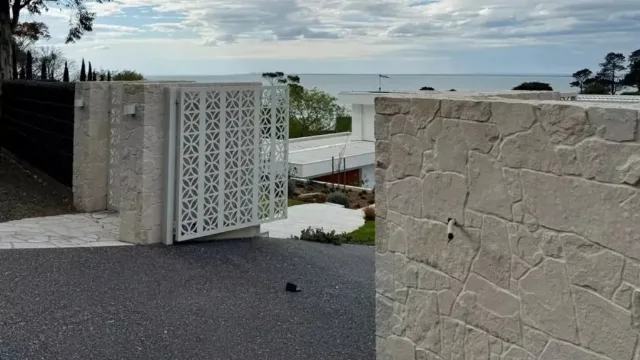
Limestone walling provides strong weather resistance and a timeless architectural appearance. It handles sun, rain and coastal breezes well when installed with suitable drainage and protective finishes.
The stone maintains colour and surface integrity over time, making it a reliable option for garden walls and home facades.
Comparing Limestone Durability to Other Natural Stones
Here is how limestone compares with other natural stones, helping you understand which materials offer the best durability for Australian outdoor conditions.
| Stone Type | Durability in Australian Conditions | Weather Resistance | Maintenance Needs | Best Use Cases |
|---|---|---|---|---|
| Limestone | Strong when high-density varieties are chosen. Performs well with sealing and correct installation. | Moderate to high resistance with proper care. Sensitive to salt and heavy moisture without sealing. | Regular sealing and gentle cleaning are recommended. | Paving, pool surrounds, walling, and indoor flooring. |
| Sandstone | Softer and more porous, making it less durable in high traffic or very wet areas. | Lower weather resistance, prone to erosion and staining. | Frequent sealing and close maintenance are required. | Garden paths, feature walls, and low traffic areas. |
| Granite | Extremely durable and hard-wearing, suited to heavy use and harsh climates. | Excellent resistance to heat, moisture and staining. | Low maintenance with occasional sealing. | Driveways, commercial settings, high traffic zones. |
| Travertine | Durable when filled and sealed, but naturally porous in raw form. | Good heat resistance, moderate moisture resistance with sealing. | Routine sealing is needed to prevent absorption and surface marks. | Pool areas, patios, and indoor flooring. |
Common Issues Limestone May Face in Australia
Here are the main challenges limestone can encounter across Australian environments, helping homeowners understand what to expect and how to manage potential problems before they become costly.
- Surface Wear and Erosion: Constant foot traffic and weather exposure can soften or roughen the surface. Choosing dense limestone and maintaining proper sealing helps reduce wear and extend long-term performance.
- Staining and Moisture Absorption: Limestone can absorb water and mark easily without sealing. Regular protection, good drainage and proper limestone maintenance significantly lower the risk of discolouration and moisture-related deterioration.
- Salt Attack in Coastal Areas: Ocean air and salt-rich winds can impact softer limestone, so choosing the right stone for coastal and humid climates matters. High-density varieties with routine sealing provide stronger resistance for coastal homes needing durable, stable stone.
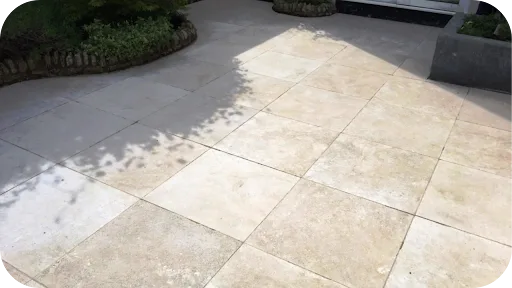
- Colour Change Over Time: Natural light and weather exposure may alter tones slightly. Many homeowners enjoy the soft patina, but sealing and shade placement help maintain a more consistent appearance.
How to Maximise Limestone Durability Outdoors
Here are simple steps that help limestone perform at its best in Australian conditions, ensuring long-lasting strength, consistent colour and a clean finish across outdoor spaces.
- Correct Installation Practices: A stable substrate and proper bedding prevent movement and cracking. Skilled installation supports long-term performance and helps the stone withstand changing weather and heavy foot traffic.
- Sealing and Surface Protection: Quality sealing reduces moisture absorption, staining and colour changes. Regular reapplication keeps limestone resilient in exposed areas, especially near pools, garden beds and high-use zones.
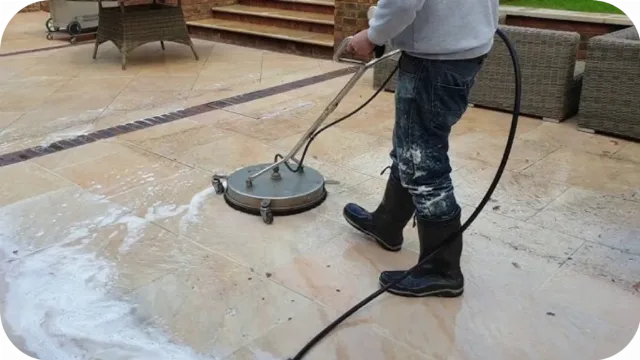
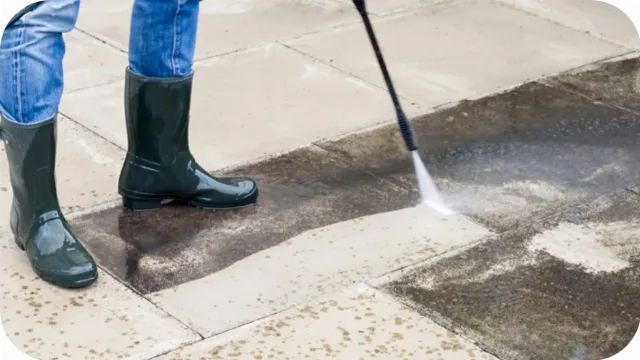
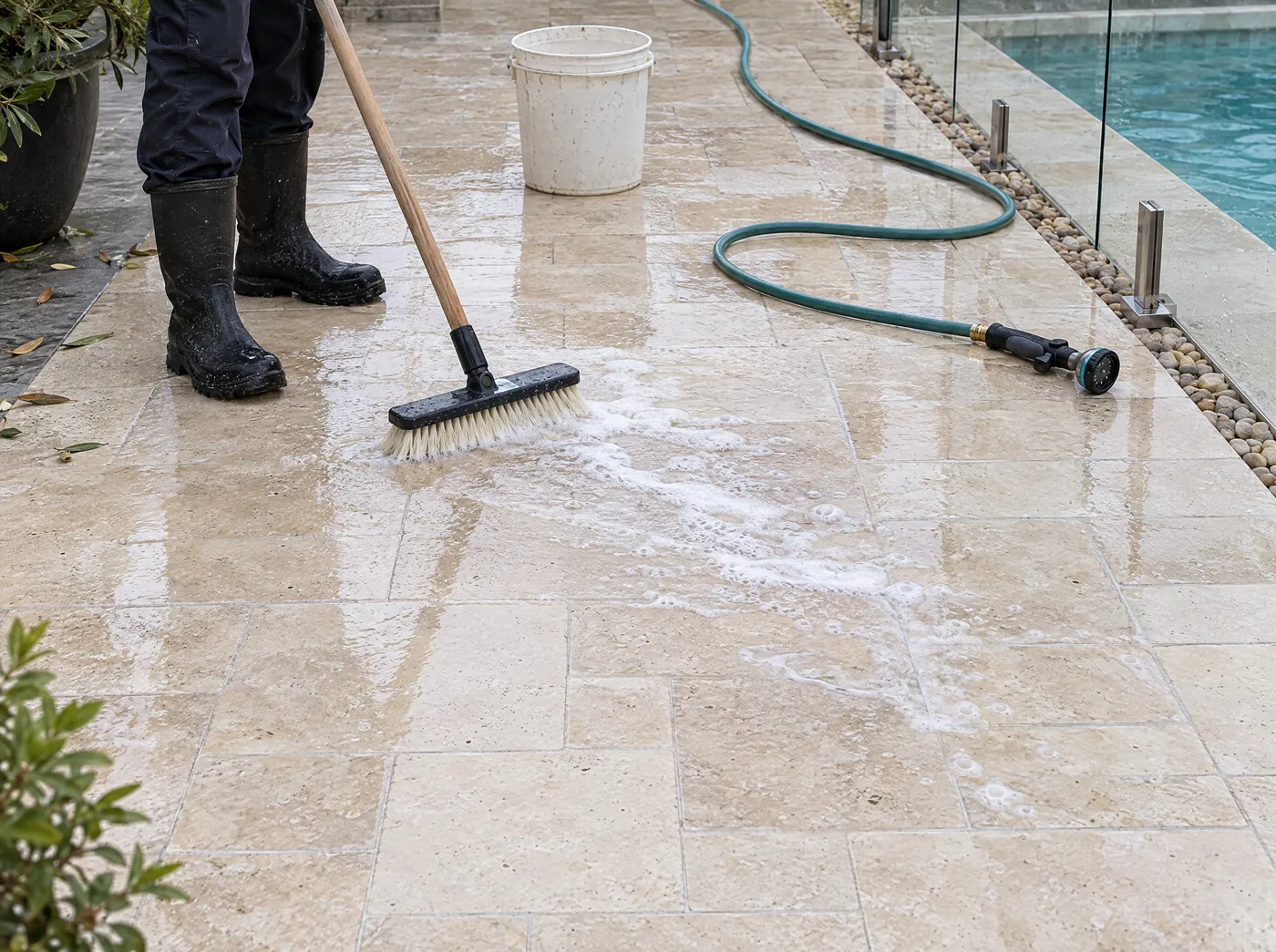
- Routine Cleaning and Maintenance: Gentle washing removes dirt and debris that may weaken the surface over time. Consistent upkeep helps maintain a clean appearance and prevents long-term deterioration.
- Choosing the Right Limestone Type: Selecting dense, high-quality stone suited to your climate improves durability. Matching the finish and format to your project ensures the stone performs reliably in outdoor Australian conditions.
- Use Adequate Thickness: Thicker pavers perform better in high traffic or load-bearing areas. Correct thickness ensures structural strength and reduces the risk of cracking or movement over time.
Why Australians Choose Limestone from Splendour in Stone
Australians choose limestone from Splendour in Stone because it brings together reliable performance, natural beauty and trusted material expertise. Homeowners want outdoor spaces that feel refined yet practical, and limestone delivers exactly that.
It stays cool underfoot, adds gentle texture and offers a timeless look that suits both contemporary and classic architecture. Splendour in Stone carefully sources high-quality limestone options like Sienna, Tuscan, Stamford, and Himalayan, with the right density and finish for Australian conditions, giving customers confidence that their paving or walling will last.
Every collection is curated for colour consistency, durability and design flexibility. Clients also rely on the team’s guidance, whether they need support choosing a suitable finish, understanding maintenance or matching stone to climate demands.
This personalised approach helps projects run smoothly and ensures the final result feels cohesive and premium. With strong product knowledge, dependable supply and beautiful stone options, Splendour in Stone has become a preferred choice for Australian homeowners and designers.
Final Thoughts
Limestone remains one of the most dependable natural stones for Australian conditions, offering strength, timeless character and long-term performance when the right grade and finish are chosen.
It handles heat, moisture and daily use with ease, making it a smart choice for modern outdoor living. If you want limestone that is perfectly matched to your climate and project needs, the team at Splendour in Stone can guide you toward the best options.
Reach out today and bring durable, beautiful stone into your home with confidence.