Stone Cladding vs Full Bed Stone: Which Option Is Better for Your Project

Choosing between stone cladding and full bed stone can feel overwhelming, especially when more than seventy percent of modern Aussie builds now use some form of natural stone. The stakes feel high. The pressure is real.
Pick the wrong option, and you could face blown budgets, installation headaches, or a look that simply does not match your project vision. No one wants that frustration lingering halfway through a build.
This article breaks down both choices in a clear, friendly way so you can weigh cost, weight, durability, and design with confidence. Let’s help you pick the stone that truly suits your project!
In this guide
What Is Stone Cladding?
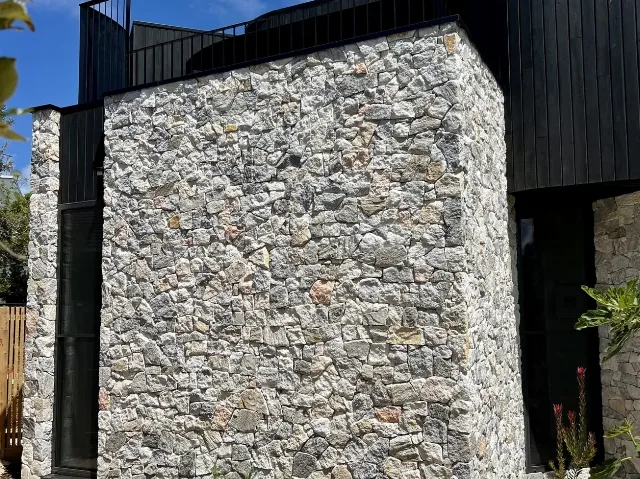
Stone cladding is a lightweight layer of natural stone applied to surfaces to create the look and feel of a full-depth stone wall without the heavy structural demands. Each piece is cut down to a thinner profile, usually between 20 and 40 millimetres, which makes it easier to handle and faster to install.
Builders, designers and homeowners choose stone cladding because it delivers genuine texture, rich colour variation and strong visual impact at a more accessible cost. It suits internal and external applications, including facades, fireplaces, entryways and feature walls.
Since it weighs far less than a full bed stone, it is ideal for renovations and upper levels where added load would require significant reinforcement.
In Australia, stone cladding has become a favourite for creating contemporary architectural lines, warm coastal finishes and rustic-inspired spaces. It offers versatility, durability and the freedom to achieve a premium stone aesthetic with far less complexity.
What Is Full Bed Stone?
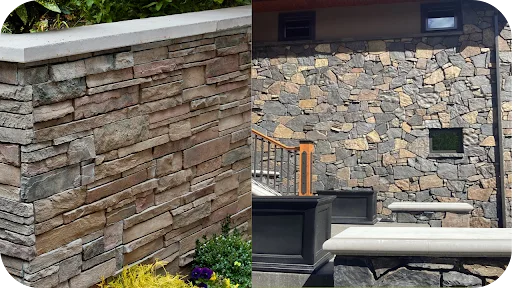
Full bed stone is natural stone used in its full thickness to create strong, load-bearing walls with deep texture and a traditional masonry finish. Unlike stone cladding, which is cut thin, full-bed stone keeps its natural depth, often ranging from 80 to 120 millimetres or more.
This added weight gives it structural strength and a sense of permanence that many architects and builders appreciate. It is commonly used for retaining walls, feature facades, landscaping elements and heritage style builds where authenticity and longevity matter.
Because it is installed as a full masonry unit, it delivers pronounced shadow lines, rich colour variation and a timeless natural look that holds up beautifully in Australian conditions.
Full bed stone requires skilled installation and a structure capable of supporting the load, yet the result is an exceptionally durable and visually impressive finish that stands the test of time.
Stone Cladding vs Full Bed Stone: Side-by-Side Comparison
Choosing between stone cladding and full bed stone becomes much easier when you can compare them feature by feature. This section highlights the key differences, allowing you to determine which option best aligns with your project goals.
1. Thickness and Weight Differences
Stone cladding utilizes thinner profiles, which reduce the overall load, making it ideal for lightweight walls and renovations.
Full bed stone uses heavier, thicker blocks that demand structural support but deliver deep visual relief. This contrast influences cost, installation time, and overall feasibility for both new builds and retrofit projects.
2. Installation and Labour Requirements
Cladding is simpler to install since it needs lighter stone cladding adhesives and minimal structural preparation.This works well for faster project timelines and controlled budgets.
Full bed stone requires skilled masonry, proper footings, and handling equipment, adding time and labour. The result feels authentic and substantial, though it suits projects with greater construction flexibility.
3. Cost Differences and Budget Impact
Cladding reduces material and labour costs due to its lighter weight and straightforward installation. This creates strong value for feature walls and renovations.
Full bed stone generally costs more because of heavier blocks, transport, and structural preparation.
The investment pays off through architectural presence, long lifespan, and the prestige associated with genuine full-depth stone builds.
4. Structural Support and Engineering Needs
Because cladding is lightweight, it can be applied to many existing substrates without major engineering work, making it adaptable for homes and landscape features.
A full bed stone needs solid foundations that can support substantial weight. This requirement adds engineering considerations but ensures the structure performs exceptionally well under demanding conditions for decades.
5. Durability and Long-Term Performance
Both options offer reliable durability, though durable wall cladding depends on correct substrate preparation and maintenance to perform well outdoors.
Full bed stone offers unmatched longevity because each block is solid stone with high resistance to weathering. This makes it ideal for premium architectural projects that prioritize permanence and structural presence across generations.
6. Aesthetic Depth and Design Flexibility
Cladding provides versatility and suits modern design styles with clean, lightweight expressions. It can be installed indoors or outdoors with ease.
Full bed stone offers deeper shadows, richer texture, and a more traditional or luxurious feel. Designers choose it when wanting high-impact façades or statements that highlight natural stone in its fullest form.
7. Installation Complexity and Project Timelines
Cladding tends to offer shorter installation periods because it requires less preparation and uses lighter fixing systems. This makes it suitable for renovations or projects with tight schedules.
Full bed stone demands longer timelines due to masonry work, foundation requirements, and handling heavier blocks, yet the finished result delivers a structural authenticity many homeowners value.
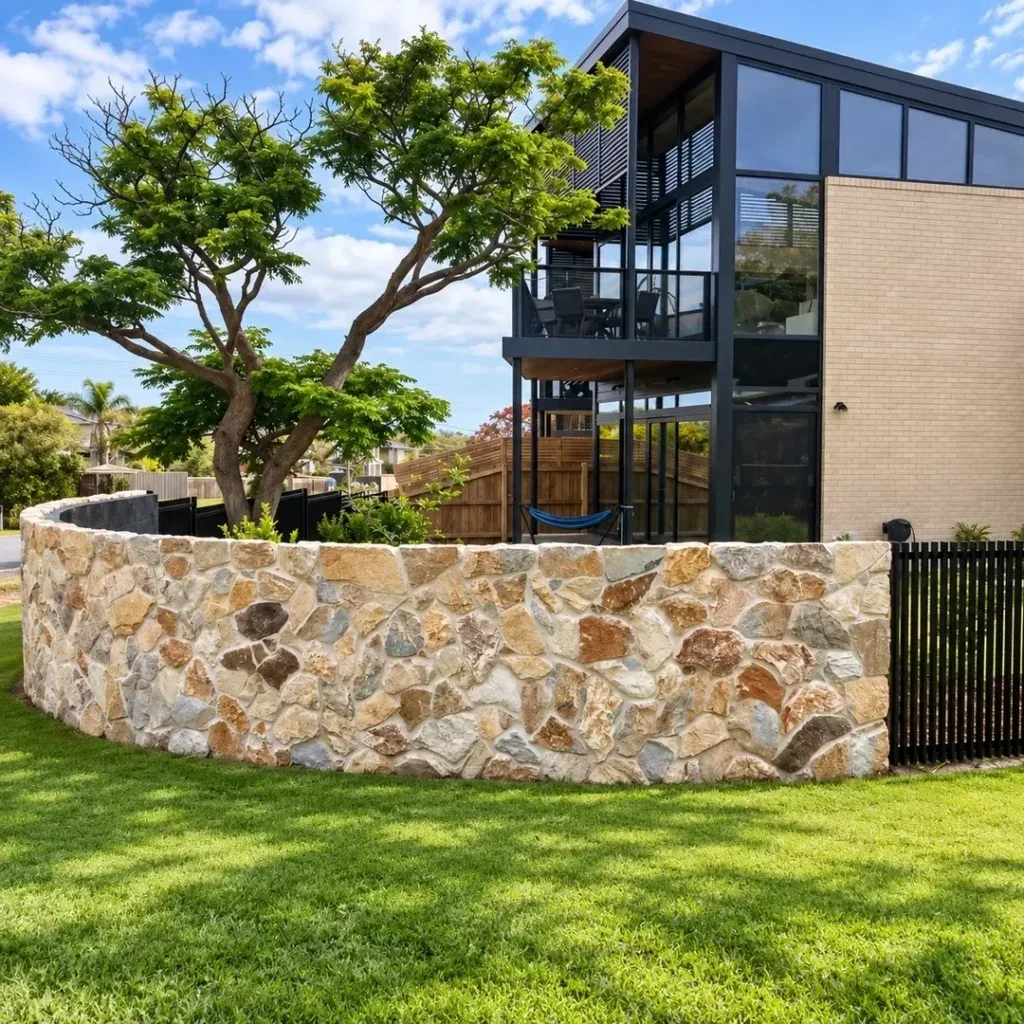
When to Choose: Stone Cladding vs Full Bed Stone
Choosing between stone cladding and full bed stone often comes down to the needs of your site, your budget and the look you want to create.
Stone cladding is the better fit when you need a lightweight option that installs quickly and suits surfaces without the structural strength to hold heavy materials. It works beautifully for renovations, internal feature walls, fireplaces and modern facades where speed and flexibility matter.
Full bed stone becomes the stronger choice when authenticity, depth and long-term durability are priorities. Its weight and thickness create powerful shadow lines and a timeless architectural finish that suits retaining walls, large outdoor features and projects built to last.
If you want a premium natural look without major structural reinforcement, cladding offers convenience. If you want a solid masonry presence with impressive longevity, full bed stone delivers. Your project goals will guide your choice.
How to Choose the Right Option for Your Project
Choosing the right stone comes down to how your project behaves on site. These practical points help you understand which option aligns with your structural needs, design goals and overall budget.
- Project Type: Cladding suits renovations and non-structural surfaces, while full bed stone works best for retaining walls, outdoor structures and builds that can support heavier materials.
- Structural Capacity: Lightweight cladding fits projects with limited load strength. Full bed stone requires engineered support, making it ideal for builds designed to carry significant weight.
- Design Intent: Cladding offers modern versatility across interior and exterior spaces. Full bed stone provides deep texture, strong shadow lines and a traditional masonry presence.
- Budget Framework: Cladding is more cost-effective due to faster installation and lower reinforcement needs. Full bed stone demands a higher upfront investment yet delivers long-term value.
- Desired Longevity: Cladding performs well with correct installation. Full bed stone offers unmatched durability for high-impact areas and projects built for decades of use.
Why Choose Splendour in Stone for Your Walling Options
Splendour in Stone offers walling solutions that combine craftsmanship, quality and genuine natural beauty, giving homeowners and designers confidence in every project.
Each product is carefully sourced to ensure rich colour, durable composition and consistent performance across a wide range of architectural styles.
Whether you want lightweight cladding for a modern renovation or a deeper, more traditional profile like Roman Ashlar for a feature wall, the range provides flexibility without compromising authenticity.
Clients value the personalized support, from selecting samples to understanding installation needs and matching products to the overall design vision. The team brings industry knowledge that helps you make practical decisions based on site conditions, structural requirements and long-term expectations.
Splendour in Stone focuses on reliability as much as aesthetics, ensuring every walling option stands up to Australian conditions. With premium materials and expert guidance, your project can achieve a standout finish that feels timeless and well considered.
Your Path to the Right Stone Choice
Choosing between stone cladding and full bed stone becomes far simpler once you understand how each option performs in weight, cost, style and longevity. Both bring beauty and value to Australian homes in different ways.
If you want tailored guidance that suits your project, your budget and your design vision, the Splendour in Stone team is ready to help. Reach out for samples, expert advice and support in selecting the perfect stone for your next build or renovation.