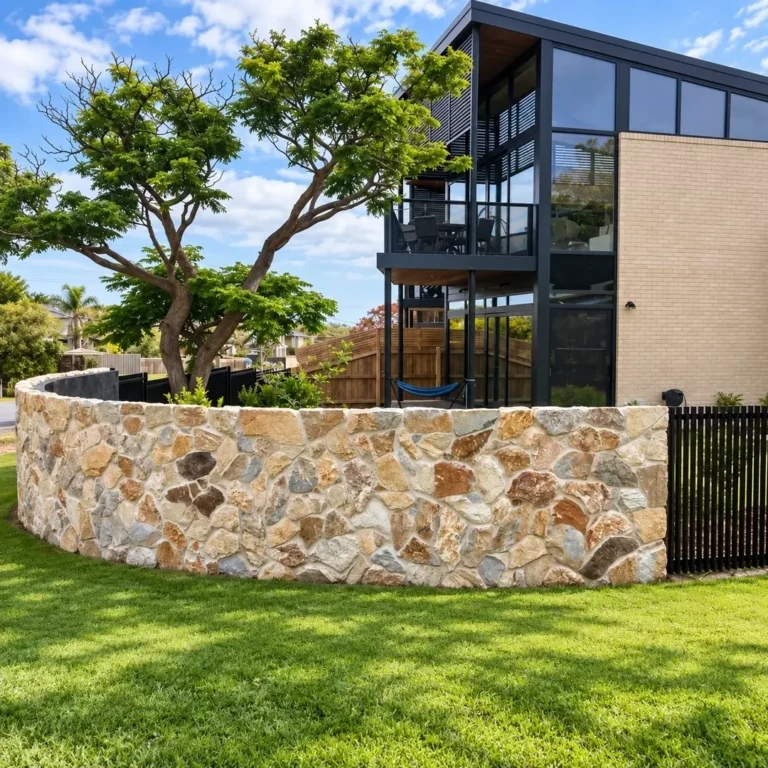
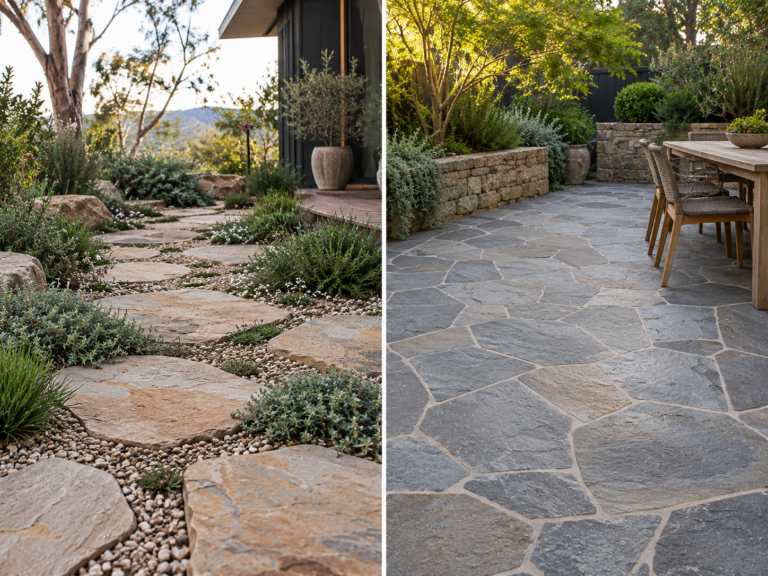
The best pavers for a patio depend on the look you want, the climate, foot traffic, slip needs, maintenance expectations and budget. For natural stone patios, the leading options are bluestone, travertine, limestone, granite, sandstone and porphyry.
A good patio paver should do more than look beautiful on the day it is installed. It should feel comfortable underfoot, handle outdoor exposure, suit the home’s architecture and be practical to clean over time.
Best Patio Paver by Priority
The best patio paver changes depending on whether your priority is comfort, durability, budget, style or low maintenance.
| Priority | Best natural stone option | Why it works |
| Cool, relaxed outdoor feel | Travertine or light limestone | Lighter tones can feel softer in sunny patios |
| Modern architectural look | Bluestone or granite | Strong grey tones suit contemporary homes |
| Heritage or garden character | Sandstone or porphyry | Natural texture works well with established landscapes |
| High-traffic patio | Granite, bluestone or dense limestone | Strong options for frequent outdoor use when installed correctly |
| Mediterranean patio | Travertine | Warm tones suit pots, rendered walls and outdoor dining |
| Minimalist patio | Granite or large-format bluestone | Clean lines and consistent tones create a refined look |
| Organic design | Crazy paving or sandstone | Irregular shapes soften the space |
| Detail and edging | Cobblestones or porphyry | Useful for borders, thresholds and feature bands |
For most homeowners, the best starting point is the broader natural stone paving range, then narrowing by stone type, finish and patio use.
Natural Stone vs Concrete vs Porcelain Pavers
Natural stone is best for homeowners who want authentic texture and long-term design character, while concrete often wins on upfront cost and porcelain suits a very consistent, manufactured look.
| Factor | Natural stone pavers | Concrete pavers | Porcelain pavers |
| Look | Natural variation, texture and depth | Uniform, practical and widely available | Very consistent and modern |
| Character | Each piece has unique tonal movement | More manufactured in appearance | Controlled colour and pattern |
| Outdoor durability | Strong when the stone and finish suit the setting | Practical, but can fade, stain or wear depending on quality | Dense and low absorption when installed correctly |
| Heat underfoot | Varies by stone colour and density | Can get warm, especially darker colours | Varies by colour and exposure |
| Slip considerations | Depends heavily on finish and texture | Depends on surface finish | Depends on surface rating and texture |
| Maintenance | Cleaning and sealing may be needed for some stones | Cleaning and occasional maintenance | Generally easy to clean, but grout and installation still matter |
| Cost position | Often higher than concrete | Usually cheaper upfront | Varies by product and installation |
| Best for | Premium patios, alfresco spaces and design-led homes | Budget-conscious patios and simple outdoor areas | Clean modern patios and low-variation designs |
Concrete is often cheaper upfront than natural stone. That does not automatically make it the better patio paver. Natural stone is usually chosen when appearance, texture, architectural fit and long-term material quality matter more than the lowest initial cost.
Porcelain is also worth considering for some patios. For a dedicated comparison, the guide on choosing porcelain pavers for your patio sits well beside this natural stone guide.
Best Natural Stone Pavers for a Patio

The best natural stone patio paver is the stone that suits your climate, design style, surface finish and maintenance expectations.
| Stone | Colour and look | Patio feel | Best for | What to consider |
| Bluestone | Blue-grey to charcoal | Modern, strong and architectural | Contemporary patios, alfresco areas and courtyards | Darker tones may feel warmer in exposed sun |
| Travertine | Cream, beige, silver and warm neutrals | Relaxed, soft and Mediterranean | Poolside patios, alfresco areas and outdoor dining | Needs the right finish and sealing approach |
| Limestone | Pale, beige, grey and soft neutral tones | Refined, calm and timeless | Elegant patios, courtyards and light outdoor rooms | Some types need more care in exposed or spill-prone areas |
| Granite | Grey, speckled and hard-wearing | Clean, durable and structured | High-use patios and modern homes | Can feel visually harder than warmer stones |
| Sandstone | Warm, earthy and textured | Natural, relaxed and garden-led | Heritage patios, informal gardens and native landscapes | Surface texture and sealing should suit the site |
| Porphyry | Mixed earthy, grey or purple tones | Textured, European and character-rich | Feature patios, paths, borders and high-use outdoor areas | Strong visual variation may not suit every style |
Bluestone Patio Pavers
Bluestone is one of the best patio pavers for modern Australian homes because it gives outdoor areas a strong, architectural base. Its blue-grey tone pairs well with rendered walls, black-framed doors, timber, steel, concrete and structured planting.
Bluestone works especially well in patios that connect to contemporary architecture. It can also suit heritage homes when used in smaller formats, borders or more traditional layouts.
If you are deciding between a cooler grey stone and a warmer outdoor surface, the comparison of bluestone vs travertine can help clarify the design direction.
Travertine Patio Pavers

Travertine is a strong choice for patios that need warmth, texture and a relaxed outdoor feel. It suits Mediterranean, coastal, classic and resort-style spaces.
Travertine can feel softer than darker grey stones, especially when used with timber furniture, pale walls, terracotta pots or layered planting. Around wet areas, the finish should be selected carefully so the surface has suitable texture for the application.
A travertine patio is often chosen when the homeowner wants the area to feel inviting, natural and comfortable rather than sharp or formal.
Limestone Patio Pavers
Limestone is ideal for patios where the goal is calm, refined and timeless. Its softer neutral tones can make an outdoor area feel lighter, especially in enclosed courtyards, shaded alfresco spaces or smaller patios.
Limestone works well with classic homes, contemporary builds and relaxed garden settings. It is especially useful when you want the paving to support the design without dominating it.
The right finish matters. A patio needs a surface that suits outdoor use, furniture, foot traffic and cleaning.
Granite Patio Pavers
Granite is a practical option for patios that need strength and a clean modern look. It is often chosen for high-use outdoor areas because it is dense and hard-wearing when specified correctly.
Its speckled surface and grey tones work well with modern homes, commercial-style landscapes and minimalist garden designs. Granite can feel more structured than travertine or sandstone, so it suits patios that need a crisp, durable finish.
Sandstone Patio Pavers
Sandstone is a strong choice for patios with a natural, earthy or heritage feel. It pairs well with garden beds, native planting, brick walls, timber furniture and relaxed outdoor spaces.
Because sandstone has natural texture and tonal movement, it can make a patio feel more connected to the landscape. It works well where the design should feel organic rather than overly polished.
Porphyry Patio Pavers
Porphyry suits patios that need texture, strength and a more European or rustic look. It is often used in smaller units, crazy paving, cobbled details, paths and feature areas.
Its tonal variation creates visual movement. That can be beautiful in the right setting, but it should be planned carefully if the home has a very minimal design.
How to Choose the Right Patio Paver
The right patio paver should match the way the space will be used, not just the colour you like in a showroom.
- Climate: exposed patios need stone that can handle sun, rain and seasonal changes.
- Heat underfoot: lighter-toned stones are often better for sunny patios than very dark surfaces.
- Slip needs: wet areas, steps and poolside patios need suitable texture and finish.
- Foot traffic: family patios, entertaining areas and outdoor kitchens need stronger everyday performance.
- Furniture use: dining chairs, tables and lounges need a stable and practical surface.
- Design style: modern homes often suit bluestone or granite, while relaxed patios may suit travertine, limestone or sandstone.
- Maintenance appetite: some stones need more sealing and care than others.
- Budget: compare full project cost, not just the paver price.
- Installation method: base preparation, bedding, drainage and jointing affect performance.
- Format: large pavers feel clean and modern, while smaller pieces or crazy paving create more movement.
Patio Paver Selection Checklist
- Decide whether the patio is for dining, lounging, entertaining, pool access or garden connection.
- Check how much sun, shade and water the area receives.
- Choose a colour tone that works with the home exterior.
- Compare natural stone, concrete and porcelain before committing.
- Select a finish that suits outdoor use and wet conditions.
- Confirm whether the paver is suitable for the installation method.
- Plan drainage before choosing the final layout.
- Consider sealing, cleaning and joint care.
- Order samples and view them outdoors in natural light.
- Ask for project advice before finalising quantities.
For a broader design view, the stone patio guide is a useful companion when planning the full outdoor area.
Finish and Slip Resistance for Patios

The finish of a patio paver often matters as much as the stone itself because it affects texture, comfort, cleaning and wet-area suitability.
| Finish | Surface feel | Typical patio use | What to consider |
| Honed | Smooth, matte and refined | Covered patios and sheltered alfresco areas | May be too smooth for wet exposed areas |
| Tumbled | Softened edges and textured surface | Relaxed patios, Mediterranean spaces and courtyards | Good for aged character and tactile texture |
| Sawn | Matte, cut surface | Contemporary patios and outdoor paving | Needs project-specific slip and texture review |
| Brushed | Lightly textured and softened | Covered patios and transition areas | Balances comfort and subtle grip |
| Flamed | Rougher textured surface | Exposed outdoor areas and high-use zones | More textured underfoot |
| Exfoliated | Strong texture | Wet areas, paths and exposed outdoor surfaces | Useful where surface grip is a priority |
Avoid treating any outdoor stone as automatically “non-slip”. Patio safety depends on surface finish, slope, drainage, cleaning, weather exposure and project requirements. If the patio is for a pool area, steps or a public setting, ask for tested slip-resistance information before choosing the final stone.
Paver Thickness and Format for a Patio
Patio pavers should be chosen according to the installation method, expected foot traffic, substrate and whether the space is purely pedestrian or connected to heavier-use areas.
A patio is usually a pedestrian space, but that does not mean all pavers or tiles are interchangeable. A paved patio over a compacted base, a patio laid over concrete and a raised balcony-style area may all need different product and installation choices.
Key format considerations include:
- Pavers vs tiles: outdoor pavers are generally selected for exterior use, while tiles need careful checking for outdoor suitability.
- Large-format pavers: create a clean look but need a well-prepared base and careful handling.
- Small-format pavers: can work well in detailed layouts, curves and small courtyards.
- Crazy paving: suits relaxed, organic patios where irregular stone shapes are part of the design.
- Cobblestone accents: useful for borders, thresholds and decorative bands.
- Overlay projects: patios over existing concrete need the right preparation, adhesive system and drainage plan.
- Vehicle areas: driveway pavers need different specification from patio pavers, so do not apply patio advice to vehicle loads.
If you are working with an existing slab, use the guide on how to install patio pavers over concrete before choosing the final format.
What Patio Pavers Cost and What Drives the Price
Patio paver cost depends on the material, area, base preparation, labour, finish, jointing, sealing, access and layout complexity.
Because no verified price range has been supplied here, this guide does not quote fixed square metre costs. That keeps the advice accurate and avoids misleading comparisons.
The main cost drivers are:
- Material type: concrete is often cheaper upfront than natural stone, while premium natural stone costs more.
- Stone grade: colour consistency, finish and stone selection can affect supply price.
- Paver format: large-format pieces, thick pavers or irregular stone can affect handling and installation.
- Patio size: larger areas need more material, labour and base preparation.
- Base preparation: excavation, compaction and drainage can change the total cost.
- Existing surface: laying over concrete may reduce some excavation, but it still needs proper preparation.
- Pattern complexity: simple grids are usually easier than curves, borders or detailed crazy paving.
- Access: tight side access, stairs or difficult delivery can add labour time.
- Sealing: some stones may require sealing depending on the material and setting.
- Edging and steps: transitions, raised edges and step details can increase complexity.
The cheapest paver for a patio is often a basic concrete paver. The best value, however, depends on the look, lifespan, maintenance expectations and how much the patio contributes to the overall home.
Installation Basics: Base and Laying
Patio pavers should not be laid straight on dirt because movement, water and poor compaction can cause uneven surfaces, sinking and loose pavers.
A good patio installation usually starts below the visible surface. The stone can only perform well if the base, drainage and jointing are right.
A typical patio paving process includes:
- Site assessment: check levels, drainage, access and how the patio will be used.
- Excavation: remove unsuitable material to create space for the paving system.
- Base preparation: install and compact the correct base for the setting.
- Drainage planning: create falls so water moves away from the home and paved area.
- Bedding layer: prepare the laying bed or adhesive system depending on the installation type.
- Paver set-out: plan the pattern, cuts, thresholds and edges before laying.
- Laying: install the pavers carefully with consistent levels and joint spacing.
- Jointing: fill joints with the chosen material for the application.
- Cleaning: clean the surface with products suitable for the stone.
- Sealing: apply sealer if recommended for that stone and patio setting.
For patios over a compacted base, the guide to patio paver base options is a useful next step. For jointing and sealing decisions, the paver joint filling and sealing guide can help clarify the options.
Maintenance and Sealing
Patio pavers need regular cleaning and, for some natural stones, sealing to help manage stains, moisture and everyday outdoor wear.
No patio surface is maintenance-free. The aim is to choose a material and finish that suits how much care you are willing to give it.
Basic maintenance includes:
- Sweep regularly: remove leaves, grit and dirt before they settle into joints.
- Clean spills quickly: food, oil, drinks and tannins can mark some stones.
- Use suitable cleaners: avoid harsh products that may damage natural stone.
- Check joints: top up or repair jointing where needed.
- Manage weeds early: joint care helps reduce weed growth.
- Watch shaded areas: damp, shaded patios may need more frequent cleaning.
- Review sealing: some stones and outdoor settings benefit from sealing, especially spill-prone patios and entertaining areas.
For broader natural stone care advice, the stone pavers guide is helpful when planning cleaning and maintenance.
Patio Paving Ideas by Style
The best patio paving ideas come from matching the stone to the home’s architecture and the way the patio will be used.
Modern Patio
Use bluestone, granite or large-format limestone. Keep lines simple, jointing consistent and planting structured.
Coastal Patio
Use pale limestone, travertine or light crazy paving. Pair with low planting, soft outdoor furniture and natural textures.
Mediterranean Patio
Use travertine or warm limestone. Add terracotta pots, herbs, olive trees, rendered walls and warm lighting.
Heritage Patio
Use sandstone, bluestone, cobblestones or porphyry. Choose textured finishes and consider borders or traditional laying patterns.
Minimalist Patio
Use granite, bluestone or consistent limestone. Keep the palette restrained and let one tree, planter or seating zone carry the design.
Garden Patio
Use sandstone, crazy paving or mixed natural stone. Let planting soften the edges and avoid overly rigid layouts.
Choosing the Best Patio Pavers for Your Home
The best patio paver is the one that suits your home, climate, lifestyle and long-term maintenance expectations. Natural stone is ideal when you want a patio with authentic texture, premium character and a strong connection to the surrounding architecture and landscape.
To compare options, explore Splendour in Stone’s natural stone paving range or contact the team for help choosing the right patio paver, finish and format for your project.
Frequently Asked Questions
1. What is the best paver for a patio in Australia?
The best paver for a patio in Australia depends on the climate, style, budget and use of the space. Bluestone, travertine, limestone, granite and sandstone are strong natural stone options, while concrete and porcelain may suit other budgets or design preferences.
2. Is it cheaper to lay concrete or pavers?
Concrete is often cheaper upfront than natural stone pavers. Pavers may cost more depending on the material and installation, but they can offer stronger design character, easier section repairs and more surface variety.
3. What is the cheapest paver for a patio?
Basic concrete pavers are often the cheapest patio paver option upfront. Natural stone usually costs more, but it is chosen for appearance, texture, durability and long-term design value.
4. Can I lay patio pavers straight on dirt?
No, patio pavers should not be laid straight on dirt for a permanent patio. A proper base, drainage and bedding layer are needed to reduce movement, sinking and uneven surfaces.
5. What thickness paver do I need for a patio?
The right paver thickness depends on the stone, format, installation method and whether the area is pedestrian-only. Patios and driveways have different requirements, so confirm the specification before ordering.
6. Which natural stone stays coolest underfoot?
Lighter-toned natural stones, such as some travertine and limestone options, are often preferred for sunny patios because they can feel more comfortable than very dark stone. Actual heat underfoot depends on colour, density, sun exposure and shade.
7. Do patio pavers need sealing?
Some patio pavers benefit from sealing, especially porous natural stones or areas exposed to food, drinks, oils, leaves and moisture. The need for sealing depends on the stone type, finish and use of the patio.