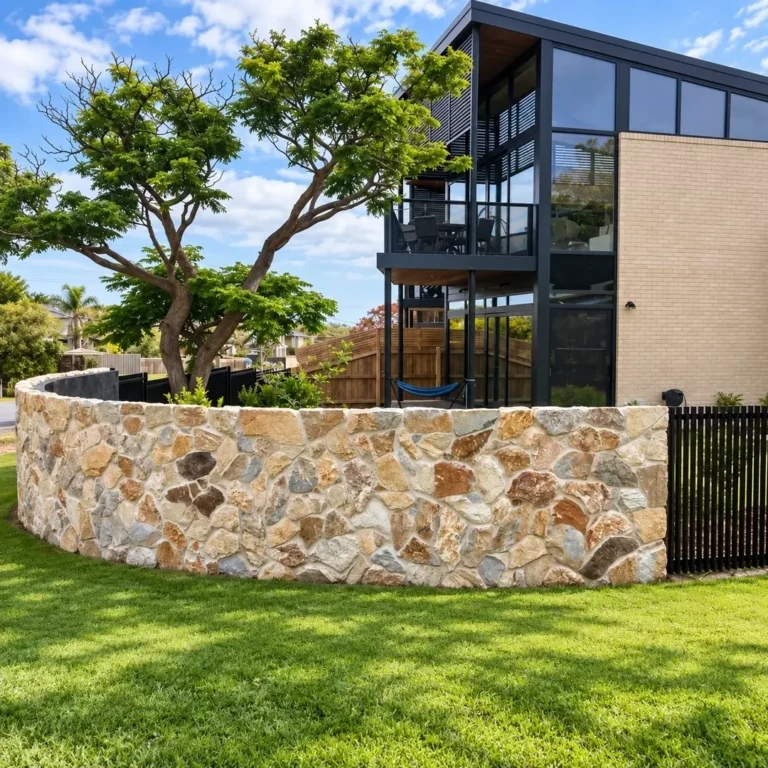
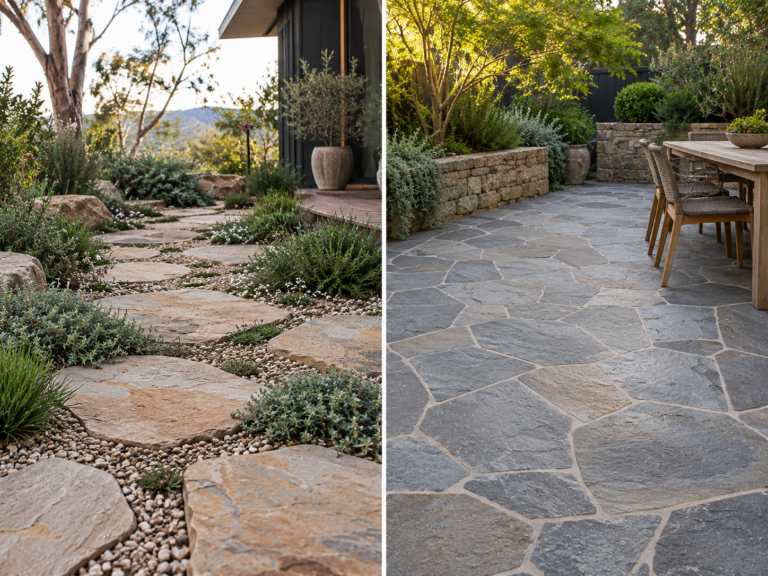
Stone can transform a renovation, but the cost can vary widely. Some options look premium, perform well and suit long-term use without pushing the project beyond budget. Others may seem affordable at first, but become expensive once installation, maintenance and durability are considered.
This guide compares cost-effective stone options by value, not just price, so you can choose a stone that suits your home, design style and renovation budget.
What Are the Most Cost-Effective Stone Options for Renovations?
The most cost-effective stone options for home renovations are travertine, limestone, sandstone, bluestone, slate and stone cladding. The right choice depends on where the stone will be used, how much maintenance is acceptable, and whether the project needs paving, flooring, walling or a feature finish.
- Travertine: Best for warm outdoor areas, patios, alfresco spaces and pool surrounds.
- Limestone: Best for soft, refined paving and classic exterior finishes.
- Sandstone: Best for relaxed outdoor spaces, garden paths and budget-conscious landscaping.
- Bluestone: Best for durable paving, steps, entries and high-use areas.
- Slate: Best for textured flooring, rustic finishes and character-driven feature spaces.
- Stone cladding: Best for creating a natural stone look without the weight and cost of full-depth stone.
Cost-effective stone is not always the cheapest option. It is the stone that gives the best balance of appearance, durability, installation cost, maintenance and long-term design value.
What Makes a Stone Option Cost-Effective?
A cost-effective stone is not simply the stone with the lowest square metre price. The best value comes from choosing a material that suits the application, performs well over time and supports the overall look of the renovation.
A cheaper stone can become expensive if it needs more preparation, frequent maintenance or replacement sooner than expected. In the same way, a higher-priced stone may offer better value if it lasts longer, needs less work to maintain and improves the finish of the home. That same test decides the environmental question, because the best sustainable stone for a green build is usually the one that outlasts a second installation rather than the one that costs least.
When comparing stone options, consider the full project cost, not just the product price.
- Material cost: This is the price of the stone itself. It can vary based on stone type, format, thickness, finish and availability.
- Installation cost: Some stone formats need more labour, surface preparation or structural support. This can affect the total renovation budget.
- Maintenance cost: Natural stone may need sealing, cleaning and ongoing care. The right stone maintenance plan helps protect the finish.
- Durability: A stone that performs well in the right setting can offer better long-term value than a cheaper material that wears quickly.
- Availability: Commonly stocked or locally available stone can reduce delays and make planning easier.
- Application fit: The wrong stone in the wrong place can lead to staining, movement, cracking, heat issues or early wear.
- Design value: Stone that suits the architecture can make the renovation look more considered, even when used in smaller areas.
The most cost-effective choice is the stone that matches the location, budget, design style and level of use. For example, a courtyard may need a different stone from a fireplace, garden path, pool surround or entryway.
Best Cost-Effective Stone Options by Renovation Area
Different renovation areas need different stone qualities. Outdoor paving needs strength and weather performance. Feature walls need texture and visual impact. Pool surrounds need a surface that feels comfortable underfoot and suits wet areas.
Use this guide as a starting point when comparing stone by application, finish and long-term value.
| Renovation Area | Best Value Stone Options | Why They Work | Budget Note |
| Outdoor paving | Travertine, limestone, bluestone | These stones suit patios, alfresco areas and general outdoor living spaces. They offer a natural finish with strong visual appeal. | Choose a simple format and layout to help reduce installation complexity. |
| Pool surrounds | Travertine, limestone | Lighter tones can keep pool areas feeling calm and refined. Travertine is especially popular for warm outdoor settings. | Allow for sealing and correct installation around wet areas. |
| Garden paths | Sandstone, limestone, bluestone | These stones work well with planting, lawn areas and informal outdoor zones. They add texture without needing a large surface area. | Paths can be a smart way to use natural stone without covering the whole garden. |
| Feature walls | Stone cladding, slate, limestone | Vertical stone adds strong design impact. Cladding can create a natural stone look without using full-depth stone. | A smaller feature wall can deliver a premium result at a controlled cost. |
| Fireplaces | Stone cladding, slate, limestone | These options add texture, warmth and a natural focal point to living areas. | Cladding is often a practical choice for fireplace surrounds in renovations. |
| Entryways | Bluestone, limestone, stone cladding | Entry areas need materials that feel durable and considered. Bluestone works well for paving, while cladding can lift an entry wall. | Spend more in high-impact entry zones and use simpler finishes elsewhere. |
| Courtyards | Travertine, limestone, sandstone | These stones help create a soft, natural outdoor room feel. They suit both classic and contemporary homes. | Courtyards often need less material than large outdoor areas, making better stone choices more achievable. |
| Retaining wall faces | Stone cladding, sandstone, limestone | These stones can soften structural areas and make garden walls feel more integrated. | Cladding can be useful when the wall structure is already built. |
| Indoor flooring | Slate, limestone, selected travertine | These stones can add texture and character inside the home when the finish suits the space. | Consider cleaning, sealing and foot traffic before choosing an indoor stone floor. |
Travertine: Warm, Timeless and Strong Value Outdoors
Travertine is one of the most popular cost-effective stone options for outdoor renovations. It has a warm, natural appearance that suits Australian homes, courtyards, patios, pool surrounds and alfresco areas.
Its soft beige, cream, ivory and silver tones make it easy to pair with timber, render, brick, planting and outdoor furniture. This makes travertine a strong choice when the goal is a relaxed but polished outdoor finish.
Travertine also offers natural texture and variation. Each piece has its own character, which helps outdoor areas feel less flat or manufactured. For many renovations, this gives the space a premium look without needing an overly complex design.
It is often a practical value choice for homeowners who want natural stone paving that feels warm, timeless and suitable for everyday outdoor living. Like most natural stone, travertine should be sealed and installed correctly to support long-term performance.
Best Uses for Travertine
- Pool surrounds: Travertine works well around pools when the correct product, finish and installation method are used.
- Courtyards: Its warm tones can make smaller outdoor areas feel softer and more inviting.
- Alfresco areas: Travertine suits outdoor dining and entertaining zones where the finish needs to feel natural and refined.
- Garden paths: It can create a calm transition between lawn, planting and paved areas.
- Outdoor steps: Travertine can work well for steps when the right thickness, edge detail and surface finish are selected.
When Travertine May Not Be the Best Fit
Travertine may not be the best option for very heavy-use driveways, harsh commercial areas or projects where the stone will face constant hard wear. In those cases, a denser stone such as bluestone may be more suitable.
For most residential patios, courtyards, pool zones and outdoor living areas, travertine remains one of the strongest value choices for a natural stone renovation.
Limestone: Refined Stone Without an Overly Heavy Look
Limestone is a strong choice for homeowners who want a natural stone finish that feels calm, refined and easy to live with. It has a softer visual character than many darker or heavier stones, which makes it well suited to contemporary homes, classic exteriors and relaxed outdoor spaces.
Its light, neutral tones can make patios, courtyards and garden areas feel more open. This is useful in renovations where the goal is to brighten the space without using a surface that feels plain or overly manufactured.
Limestone works well with rendered walls, timber details, soft landscaping and natural planting. It can also help connect indoor and outdoor areas when the renovation uses a restrained material palette.
As a cost-effective stone option, limestone offers value because it can deliver a premium look without dominating the design. Options such as Loch Limestone and Brooklyn Limestone can suit projects that need soft, refined paving with a natural finish.
Best Uses for Limestone
- Patios: Limestone can create a relaxed, refined outdoor living area.
- Outdoor rooms: Its soft tones work well in alfresco spaces and covered entertaining zones.
- Garden paths: Limestone can add structure to landscaped areas without feeling too heavy.
- Courtyards: It is well suited to compact spaces where lighter stone can make the area feel more open.
- Light-toned exterior schemes: Limestone pairs well with white, cream, beige, grey and warm neutral finishes.
Limestone is especially useful when the homeowner wants a natural stone that feels premium, but still understated. For long-term performance, it should be sealed correctly and matched to the right application.
Sandstone: A Relaxed Natural Stone for Budget-Conscious Projects
Sandstone is a practical choice for renovations that need a natural look without an overly formal finish. It has a relaxed, earthy character that works well in gardens, paths, courtyards and outdoor areas where texture and colour variation are part of the design.
Its tones can range from soft creams and warm beiges to deeper golds, browns and greys. This natural variation can help outdoor spaces feel more connected to planting, lawn, brick, timber and existing landscape features.
Sandstone can be a cost-effective natural stone option because it suits informal areas where the finish does not need to feel perfectly uniform. It can add warmth and character without requiring a highly polished design approach.
It is best used where its natural texture and variation are an advantage. In high-wear areas, wet zones or spaces that need a very refined finish, it is important to choose the right sandstone product and finish. Proper sealing and maintenance will also help support long-term performance.
Best Uses for Sandstone
- Garden paths: Sandstone works well where the path needs to feel natural and integrated with the landscape.
- Courtyards: Its warm tones can soften smaller outdoor spaces.
- Informal patios: Sandstone suits relaxed outdoor living areas with a casual, natural feel.
- Coastal-style landscapes: Its colour variation can pair well with light exterior palettes and soft planting.
- Feature zones: Sandstone can be used in selected areas to add texture without covering the whole renovation.
Sandstone is a strong option when the project needs a natural, warm and budget-conscious finish. It works best when the homeowner accepts colour variation and chooses the product for the right location.
Bluestone: Durable Value for High-Use Areas
Bluestone is a strong natural stone option for renovation areas that need durability, structure and a clean architectural look. It is often used in entry paths, steps, courtyards, outdoor paving and high-traffic areas because it has a dense, hard-wearing character.
Its blue-grey and charcoal tones work well with modern homes, brick exteriors, rendered walls, steel details and structured landscaping. This makes bluestone a useful choice when the renovation needs a surface that feels grounded and refined.
Bluestone may not always be the lowest-cost stone upfront, but it can offer strong long-term value. Its durability makes it suitable for areas that receive regular foot traffic or need a more robust paving solution.
Because bluestone has a darker appearance, it can absorb more heat in exposed outdoor spaces. This should be considered for pool surrounds, north-facing areas and spaces used barefoot during warmer months.
Best Uses for Bluestone
- Entry paths: Bluestone creates a strong first impression and suits high-use access points.
- Outdoor steps: Its dense character makes it suitable for steps when the correct finish and edge detail are selected.
- Courtyards: Bluestone can give compact outdoor areas a clean, structured look.
- Driveway accents: It can be used for borders, bands or selected details where extra durability is needed.
- High-traffic paving areas: Bluestone is a practical option for paths, entries and outdoor zones that need long-term strength.
Bluestone is best suited to renovations where durability, structure and a darker architectural finish are priorities. For smaller-format outdoor details, Bluestone Cobble can add texture and durability without needing to cover the whole project area.
Slate: Affordable Texture for Rustic and Character Homes
Slate is a cost-effective stone option for renovations that need texture, character and a more natural surface finish. It has a distinct layered appearance, often with grey, charcoal, green, blue or earthy tones depending on the product.
Its natural cleft texture gives floors, paths, walls and feature areas a stronger sense of depth. This makes slate useful in homes where the design needs more warmth and character than a flat, uniform surface can provide.
Slate works especially well in rustic, traditional and character-driven renovations. It can also suit contemporary homes when used as an accent material, such as around fireplaces, garden paths or feature flooring.
As a value option, slate is often most effective when used in selected areas rather than across the entire home. A smaller slate feature can add strong visual impact while keeping the total material and installation cost under control.
Best Uses for Slate
- Feature flooring: Slate can add texture and depth to entries, mudrooms and selected interior zones.
- Garden paths: Its natural surface can work well with planting, gravel and informal landscaping.
- Accent walls: Slate can create a strong feature without needing a large surface area.
- Fireplace surrounds: Its darker tones and layered texture can frame a fireplace with a natural finish.
- Rustic outdoor areas: Slate suits courtyards, paths and outdoor settings where a more textured look is part of the design.
Slate is best chosen when texture is intentional. It may not suit every renovation style, but it can offer strong value when the project needs natural character, visual contrast and a durable finish in selected areas.
Stone Cladding: A Cost-Effective Way to Get a Natural Stone Feature
Stone cladding is one of the most practical ways to bring natural stone into a renovation without using full-depth stone. It gives walls, fireplaces, facades and outdoor areas a textured stone finish, while often reducing weight and installation demands.
This makes it especially useful for renovation projects. Many homes already have existing walls, structures or surfaces that need a visual upgrade. Stone cladding can help create that natural stone look without requiring the same structural approach as full bed stone.
It is also a strong value choice when the goal is visual impact. A feature wall, entry wall or fireplace surround can change the feel of a space without covering a large area.
Stone Cladding vs Full Bed Stone
| Factor | Stone Cladding | Full Bed Stone |
| Upfront cost | Often more cost-effective for feature areas | Usually higher due to material depth and weight |
| Installation speed | Can be faster when the surface is suitable | Often more labour-intensive |
| Structural load | Lighter than full-depth stone | Heavier and may need more support |
| Visual depth | Creates a natural stone look with strong texture | Offers deeper masonry character |
| Best use | Feature walls, fireplaces, facades and garden walls | Structural stonework, traditional walling and heavier landscape projects |
| Renovation suitability | Very suitable for existing homes and upgrades | Best when structure and budget allow |
| Long-term value | Strong value when used in high-impact areas | Strong value when full-depth construction is required |
Best Uses for Stone Cladding
- Fireplace surrounds: Stone cladding can create a natural focal point in living rooms and outdoor entertaining spaces.
- Feature walls: It adds texture and depth without needing to cover the entire room.
- Facades: Cladding can lift the front of a home and add stronger street appeal.
- Entry walls: A stone entry can make the home feel more considered from the first view.
- Outdoor entertaining areas: Cladding works well behind seating, kitchens and alfresco zones.
- Garden walls: It can soften structural walls and connect them with planting.
For many renovations, stone wall cladding gives the best balance of natural texture, visual impact and controlled cost. It is especially effective when used in a high-impact stone feature wall or fireplace rather than spread thinly across too many areas.
Natural Stone vs Porcelain or Engineered Stone: Which Is Better Value?
Natural stone, porcelain, engineered quartz, concrete and brick can all be useful in renovation projects. The best value depends on the application, design goal and long-term expectations.
Natural stone is often the better choice when texture, variation and outdoor character matter. Porcelain and engineered stone can suit projects that need a more uniform surface or specific indoor performance. Concrete and brick can also offer strong value when used in the right setting.
| Material Type | Best For | Strengths | Limitations | Best Value When |
| Natural stone | Paving, cladding, walls, fireplaces and landscape features | Natural texture, variation, durability and long-term design appeal | May need sealing and careful product selection | The renovation needs character, permanence and outdoor suitability |
| Porcelain stone-look tiles | Indoor floors, outdoor tiles and low-maintenance surfaces | Consistent finish and broad style range | Can lack the depth and variation of real stone | A uniform surface and easy care are the main priorities |
| Engineered quartz | Benchtops and selected indoor surfaces | Consistent colour, smooth finish and low porosity | Not suitable for every outdoor or high-heat use | The project needs a controlled indoor surface |
| Concrete pavers | Paths, utility areas and simple outdoor paving | Practical, available and often budget-friendly | Can look plain without strong design detail | The surface needs function more than natural variation |
| Brick or reclaimed brick features | Garden edging, feature walls and character renovations | Warmth, texture and strong heritage appeal | Not suitable for every paving or structural use | The home needs a softer, aged or mixed-material finish |
Natural stone is often worth considering when the renovation needs more than a basic surface. Compared with natural stone vs concrete, the value often comes from texture, character and long-term design appeal rather than upfront price alone.
How to Choose the Best Stone for Your Budget
Choosing the right stone starts with the full project, not just the product price. A good budget decision should include material, labour, preparation, sealing and long-term care.
- Start with the application: Flooring, paving, cladding, fireplaces and garden walls all need different stone qualities.
- Set a total project budget: Include stone, labour, substrate preparation, sealing, delivery and waste allowance.
- Choose the right format: Pavers, tiles, cobblestones and cladding all have different installation demands.
- Compare long-term care: A cheaper stone may cost more over time if it needs frequent maintenance or is poorly suited to the area.
- Match the stone to the home style: The right stone should suit the architecture, landscaping and colour palette.
- Order samples first: Natural colour, texture and finish can look different in real light.
- Ask about installation requirements: Labour and preparation often have a major effect on the final cost.
A cost-effective stone should feel right for the space, not just the spreadsheet. The best choice is usually the one that balances budget, performance and design.
Cost-Effective Stone Design Ideas for Home Renovations
Use Stone in Feature Areas Instead of Everywhere
You do not need to use stone across every surface to create a premium result. A stone fireplace, entry wall, courtyard floor or garden path can have a strong effect on the overall renovation.
This approach helps control cost while still giving the home a natural and high-quality finish.
Combine Stone with Render, Timber or Brick
Mixed materials can make a renovation feel more layered and considered. Natural stone can sit beside render, timber, brick, steel or planting to create contrast.
This also helps reduce the total amount of stone needed. For example, a rendered wall with a stone cladding feature can still feel warm and architectural.
Use Cladding for Vertical Impact
Vertical stone often gives more visual impact than a small floor area. Entry walls, fireplaces, facades and outdoor entertaining walls are good places to use cladding.
A stone fireplace or feature wall can create a premium result without covering every surface in the room.
Choose Larger, Simpler Layouts
Complex patterns can increase labour and waste. A simple paving layout is often more cost-effective and easier to maintain.
Straight lines, consistent spacing and restrained detailing can make the stone feel more refined.
Keep the Palette Restrained
Too many materials can make a renovation feel busy. A simple palette usually looks more expensive and ages better.
Choose one main stone, then support it with complementary materials such as timber, brick, planting or neutral render.
Common Mistakes That Make Stone Renovations More Expensive
- Choosing stone only by square metre price: The cheapest material may not be the cheapest finished project.
- Ignoring installation costs: Labour, preparation and substrate work can change the total cost quickly.
- Using the wrong stone outdoors: Some stones need the right finish, thickness and sealing for outdoor use.
- Skipping sealing where required: Sealing helps protect many natural stones from staining and weather exposure.
- Forgetting drainage and base preparation: Poor preparation can lead to movement, pooling or uneven surfaces.
- Choosing a stone that clashes with the home style: A mismatched stone can make the renovation feel disconnected.
- Not ordering enough material: Extra batches may vary in colour or take longer to source.
- Not allowing for wastage: Cutting, edges and breakage should be included in the order.
- Using complex patterns when the budget is tight: Intricate layouts can increase labour and installation time.
Good planning is one of the easiest ways to keep a stone renovation cost-effective. It also helps avoid the most common natural stone selection mistakes before the project reaches installation.
Best Low-Budget, Mid-Budget and Premium-Value Stone Choices
| Budget Level | Best Stone Options | Best Applications | Why It Offers Value |
| Low-budget natural look | Sandstone, slate, selected limestone | Garden paths, informal patios, feature zones | These stones can add natural character without needing a large surface area |
| Mid-budget renovation | Travertine, limestone, bluestone | Courtyards, patios, pool surrounds and entry paths | They balance appearance, durability and long-term design appeal |
| Premium-value upgrade | Stone cladding, bluestone, quality limestone | Facades, fireplaces, feature walls and high-use paving | These options can lift high-impact areas and improve the overall finish |
| Outdoor durability focus | Bluestone, limestone, travertine | Steps, entries, paving and outdoor living areas | Durable stone can offer better long-term value in high-use zones |
| Feature wall focus | Stone cladding, slate, limestone | Fireplaces, entry walls, facades and garden walls | A smaller stone feature can create strong impact while controlling cost |
The best value often comes from using the right stone in the right place. A smaller amount of well-chosen stone can have more impact than a larger area of the wrong material.
Is Natural Stone Worth It for a Budget Renovation?
Natural stone can be worth it in a budget renovation when it is used in the right location, installed properly and chosen for long-term performance. It can add texture, permanence and design value that many manufactured surfaces cannot fully replicate.
It works especially well when used in high-impact areas where the finish will be noticed every day.
- It can lift key spaces: Entries, courtyards, fireplaces and feature walls can benefit from natural stone.
- It suits many home styles: Natural stone can work with modern, classic, coastal, rustic and heritage-inspired homes.
- It can last well with proper care: Correct sealing, cleaning and installation help support long-term performance.
- It can reduce the need for extra decoration: Stone brings its own texture, colour and variation.
- It works well as a feature material: Smaller areas can still create a strong design result.
Natural stone is not always the cheapest option upfront. Its value often comes from improving the look, feel and longevity of the renovation. The ROI of natural stone is strongest when the material improves both visual appeal and practical use.
Choosing Cost-Effective Stone With Splendour In Stone
Choosing stone for a renovation is easier when you can compare products, finishes and applications clearly. The right stone should suit the budget, the home style and the way the space will be used.
Splendour In Stone offers natural stone paving, walling, cladding, cobblestones, fireplace stone and other stone products for Australian homes and landscapes. These options can be used across courtyards, facades, pool surrounds, entries, garden walls, fireplaces and outdoor entertaining areas.
The team can help with product guidance, samples and practical advice on choosing stone for your renovation. This support is useful when comparing travertine paving, limestone pavers, bluestone pavers, stone wall cladding, cobblestones or reclaimed brick features.
If you are comparing stone options for a renovation, Splendour In Stone can help you choose a natural stone that suits your budget, design style and project conditions.
FAQs About Cost-Effective Stone Options
1. What is the most cost-effective natural stone for renovations?
Travertine, limestone, sandstone and slate are often strong value options for renovations. The best choice depends on whether the stone will be used for paving, flooring, cladding, garden paths or feature walls.
2. Is stone cladding cheaper than full stone?
Stone cladding is often more cost-effective for renovations because it is lighter than full bed stone and can reduce structural and installation demands. It is especially useful for feature walls, fireplaces, facades and outdoor entertaining areas.
3. What stone is best for outdoor paving on a budget?
Travertine, limestone, sandstone and bluestone can all work well for outdoor paving on a budget. The right choice depends on the look, traffic level, surface finish and maintenance expectations.
4. Is natural stone more expensive than porcelain?
Natural stone can cost more upfront in some cases, but it may offer stronger long-term design value, texture and outdoor character. Porcelain can be useful when a uniform, low-maintenance surface is the main priority.
5. How can I reduce the cost of a stone renovation?
You can reduce the cost of a stone renovation by using stone in feature areas, choosing simple layouts, avoiding complex patterns, ordering samples early and planning installation properly.
6. Does natural stone need sealing?
Most natural stone should be sealed to help protect its appearance and support long-term performance. The right sealing schedule depends on the stone type, finish, location and level of use.
7. What is the best stone for a feature wall?
Stone cladding is usually the best value option for feature walls, fireplaces and facade upgrades. It provides natural stone texture without the weight and installation demands of full-depth stone.