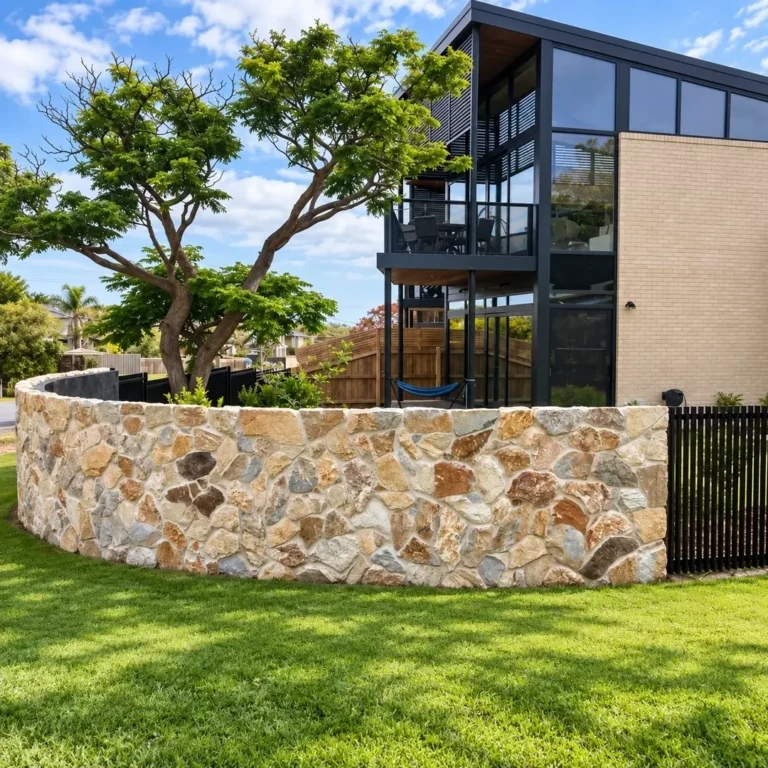
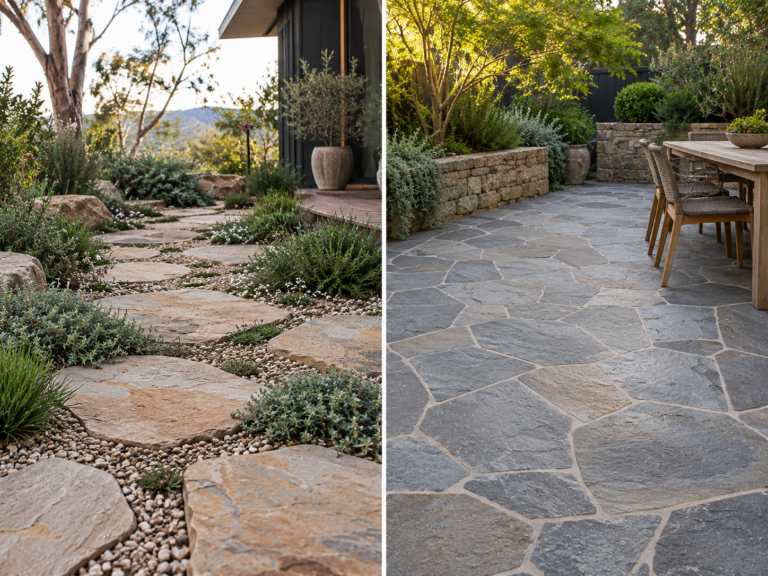
Sandstone walls weather beautifully, but the stone is soft and porous, which means the wrong cleaning method does more harm than the dirt ever would. Eco-friendly sandstone wall care is about working with the stone rather than against it: gentle methods that protect the surface and keep harsh chemicals out of your soil and waterways at the same time.
The useful part is that the greenest approach is almost always the safest one for the stone. This guide covers how to clean sandstone walls without damaging them, how to maintain and seal them, how to repair them with low-impact materials, and the common cleaning products to keep well away from sandstone.
What makes sandstone vulnerable?
Sandstone is porous and acid-sensitive, and those two traits drive every care decision you make. It is formed from quartz grains held together by a natural cement of silica, calcite or iron oxide. The quartz itself is hard-wearing, but the binding minerals and the open pore structure are where the weaknesses lie. For more on how the stone forms, see what sandstone is.
That porosity lets the stone absorb water, which leads to staining, surface erosion and biological growth like moss and algae. Its acid sensitivity means acidic substances etch the surface and attack the calcite or iron cement, leaving dull patches and weakening the stone.
In coastal areas, salt crystallising in the pores causes flaking, and in alpine regions, water freezing inside the stone can spall the surface. White, powdery efflorescence is a common sign of moisture moving through the wall.
The practical takeaway: sandstone needs neutral-pH, gentle, breathable care. Anything acidic, abrasive or moisture-trapping works against it.
How to clean sandstone walls without damaging them
Start with the gentlest method that works: plain water and a soft brush. Step up to a pH-neutral stone cleaner only if you need to, and never reach for acids, bleach or abrasives.
For routine cleaning, brush off loose dirt and organic matter dry, then wash the wall with clean water and a soft natural or nylon brush. For ground-in grime, use a pH-neutral cleaner made for natural stone, ideally a biodegradable one, then rinse thoroughly. Work in sections and keep the stone evenly wet so you do not leave tide marks.
For moss and algae, remove as much as you can mechanically with a dry brush, then clean with water. For stubborn biological growth, use a biocide formulated for natural stone, patch-tested first, rather than household chemicals. Our guide to removing moss and algae from stone covers the method in more detail.
Keep these away from sandstone
- Vinegar and lemon juice. Both are acidic and etch the surface, attacking the minerals that bind the stone together. This is the single most common mistake in sandstone cleaning.
- Chlorine bleach and ammonia. They can discolour the stone and harm the plants and soil around the base of the wall.
- Baking soda and abrasive powders or pads. They scratch the soft surface and can leave salts behind that feed efflorescence.
- High-pressure washers. High pressure erodes the surface and forces water deep into the stone. If you use a pressure washer at all, use a low setting and a wide fan, and keep your distance.
Preventive maintenance for sandstone walls
Most sandstone damage is preventable with airflow, drainage and routine inspection, not with intensive cleaning.
Inspect the wall regularly for cracks, chips and efflorescence so small issues get caught before they spread. Keep the surface clear of dirt and organic matter with a soft brush, which reduces staining and slows moss and algae.
Manage the vegetation around the wall. Overhanging branches and dense planting trap moisture against the stone and keep it damp, while roots can push into the structure. Trimming growth back promotes airflow and keeps the wall drying out between wettings. Controlling where water sits is half the battle, covered in our guide to controlling moisture in masonry.
Finally, avoid leaning ladders or stacking heavy objects against the wall, which gouges the surface and stresses the structure over time. The same routine principles apply to paving, in our guide to maintaining and protecting sandstone.
Sealing sandstone walls
Seal sandstone with a breathable, penetrating sealer, never a film-forming one.
A penetrating (impregnating) sealer soaks into the stone and repels water while still letting moisture vapour escape. That breathability is essential for sandstone, because a film-forming sealer traps moisture inside the wall, which leads to efflorescence, flaking and a sealer that eventually peels.
Choose a sealer formulated for natural stone, and for the lowest environmental impact, look for a water-based, low-VOC product. Follow the manufacturer’s guidance on reapplication, and use the water-drop test to check: when water stops beading and starts soaking in, it is time to reseal.
Eco-friendly repairs for sandstone walls
Repair sandstone with lime-based mortar or natural stone fillers, not modern cement.
Lime mortar is the compatible choice for sandstone. It is breathable, slightly flexible, and softer than the stone, so it takes up movement and weathering rather than forcing the stone to. It also carries a lower embodied carbon footprint than cement-based products, which suits an eco-friendly approach.
Clean the damaged area gently before repairing so the new material bonds properly, and match the colour and texture of the filler to the surrounding stone for a result that blends in. Choosing durable, compatible materials reduces how often you need to repair the wall again. For the practical steps, see our guide to repairing chips and cracks in sandstone walls, and for the bigger picture on low-impact stone, our overview of sustainable natural stone.
Final word
Eco-friendly sandstone care comes down to restraint. Plain water, a soft brush, a neutral cleaner and a breathable sealer protect the stone and the environment at the same time, while the harsh shortcuts (acids, bleach and high-pressure washing) damage both. Inspect the wall regularly, keep vegetation and moisture in check, and repair with compatible lime-based materials, and your sandstone will hold up for decades.
For a wider routine across all your stonework, see our stone maintenance and care guide.
Frequently asked questions
1. Can you clean sandstone with vinegar?
No. Vinegar is acidic and can etch the surface of sandstone and break down the minerals binding it together, leaving dull patches and weakening the stone. Use plain water or a pH-neutral stone cleaner instead.
2. Can you pressure wash a sandstone wall?
Only at low pressure, if at all. High-pressure washing erodes the soft surface and drives water into the stone. For most dirt, a soft brush and water is safer and just as effective.
3. How do you remove moss and algae from sandstone?
Brush off as much as you can while dry, then clean with water and a soft brush. For persistent growth, use a biocide formulated for natural stone, patch-tested first, rather than chlorine bleach or acidic cleaners.
4. What is the best eco-friendly sealer for sandstone?
A breathable, penetrating sealer, ideally water-based and low-VOC. It repels water while letting the stone breathe. Avoid film-forming sealers, which trap moisture and eventually flake.