
Choosing the right stone for your outdoor pavers is crucial for the functionality and aesthetic appeal of your landscape.
With so many options available, from sandstone to limestone and everything in between, it can be overwhelming to determine which material best suits your needs, budget, and personal style.
In this comprehensive guide, we’ll walk you through the process of selecting the perfect stone, taking into account factors like durability, maintenance, and design preferences, ensuring your outdoor space is both beautiful and functional.
In this guide
Types of Stones Used for Pavers
Choosing the right stone for your outdoor pavers means considering durability, looks, and the amount of upkeep you’re willing to do.
Here’s a breakdown of common choices:
1. Granite
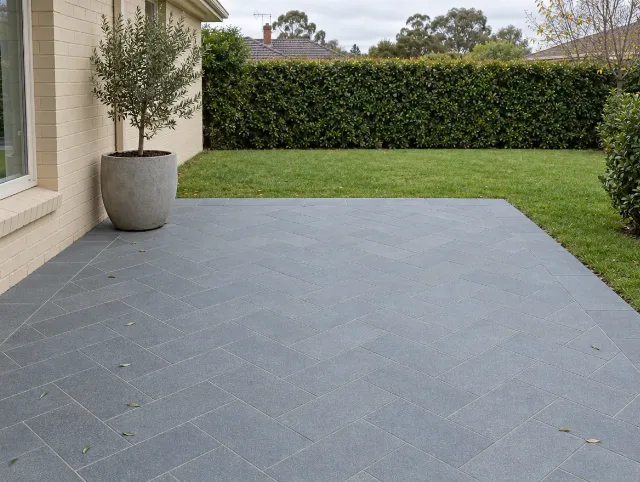
Granite is a top choice for pavers due to its extreme hardness and resistance to scratches and stains. Its natural beauty shines through with various colours and patterns, adding a touch of elegance to any outdoor space. Granite pavers require minimal maintenance, making them a practical and long-lasting option for high-traffic areas.
2. Quartzite
Like granite, quartzite is an incredibly durable stone known for its resistance to fading and weathering. Its unique characteristic is its beautiful veining and slightly sparkly surface, which adds depth and dimension to paved areas. Quartzite’s resilience makes it an excellent choice for both indoor and outdoor use.
3. Limestone
Limestone offers a more affordable option with a softer, earthy appearance. Its warm tones complement various architectural styles and create a welcoming ambience.
While not as hard as granite or quartzite, limestone can withstand moderate foot traffic with proper sealing to protect against stains and moisture.
4. Marble
Marble is synonymous with luxury and elegance. Its smooth, polished surface exudes sophistication, making it popular for patios and walkways.
However, marble is softer than other stones and prone to scratches and etching. To preserve its pristine beauty, it requires regular sealing and is best suited for low-traffic areas.
5. Bluestone
Bluestone, a type of sandstone, offers a unique charm with its cool blue-grey hues. It is a durable stone suitable for various outdoor applications, but it can be susceptible to fading over time due to sunlight exposure.
Regular sealing and maintenance can help preserve its natural colour and protect it from the elements.
Assessing Your Landscape and Environment
Before you fall in love with a particular stone, take a moment to assess the unique conditions of your outdoor space.
If your region experiences harsh winters with frequent freeze-thaw cycles, choose an extremely durable stone like granite or quartzite. These stones can withstand extreme temperature fluctuations without cracking or chipping. In hot, sunny climates, softer stones like limestone may fade over time, so consider options that are more resistant to UV damage. For rainy areas, prioritise slip-resistant stones with textured surfaces like flamed granite or porphyry to ensure safety.
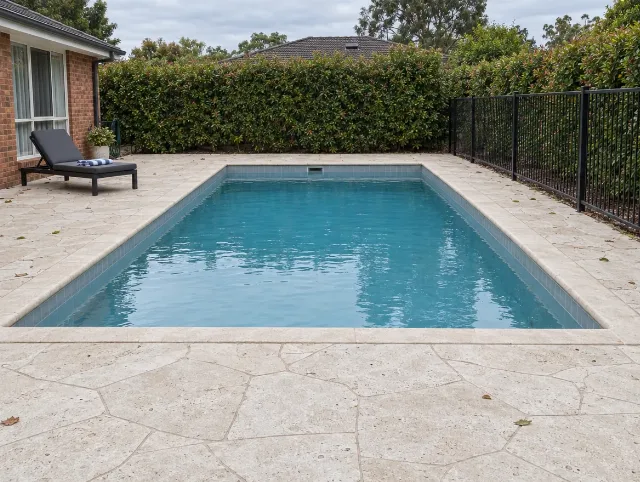
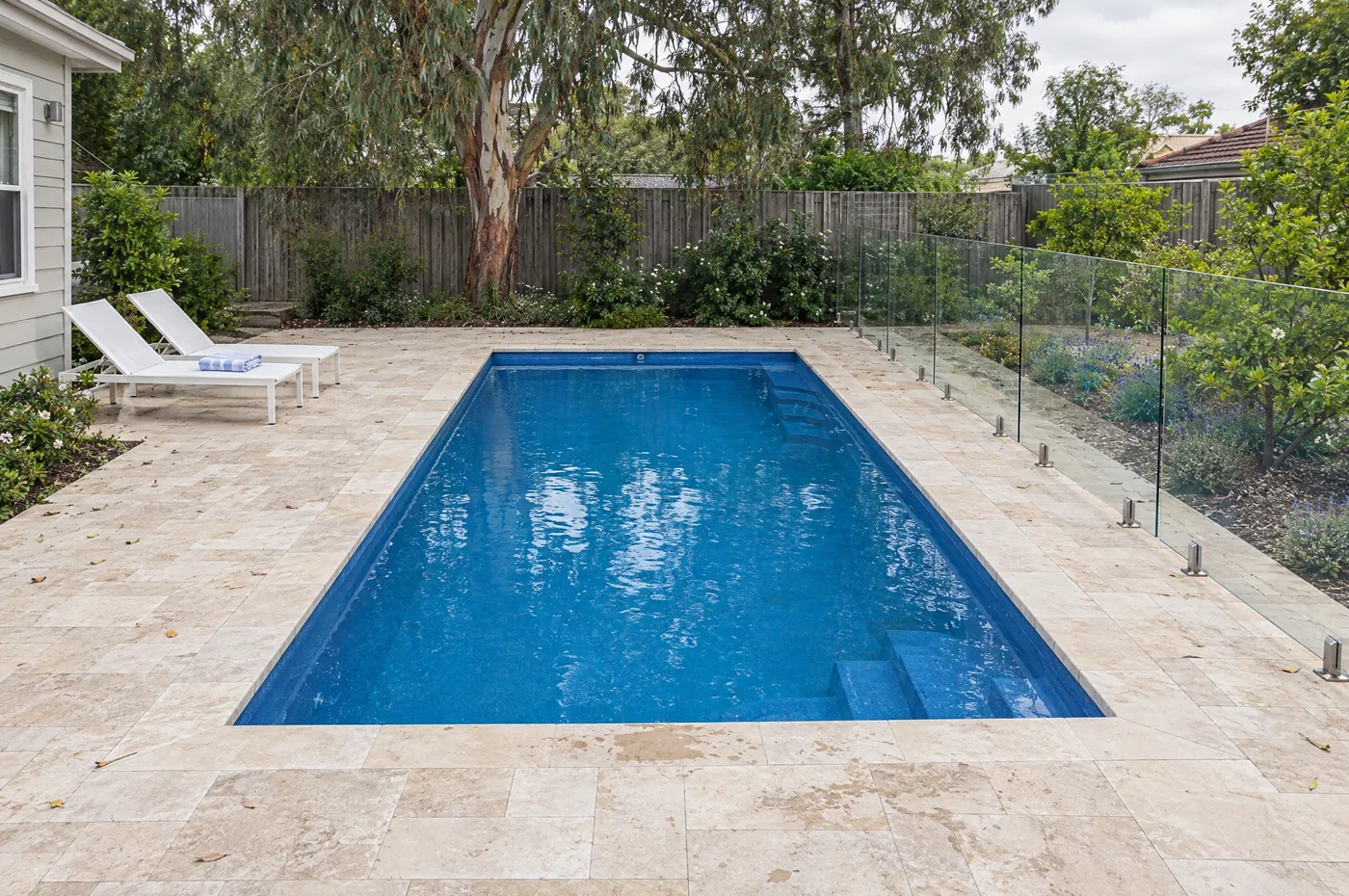
High-traffic areas like patios require extra-durable pavers to withstand heavy foot traffic and resist scratches and wear. For pool areas, choose non-porous stones that won’t absorb salt or pool chemicals, ensuring they remain beautiful and functional for years to come.
The stone you choose should complement the overall style of your home and any existing hardscaping elements, such as retaining walls or walkways. Consider the colours and textures of your garden and surrounding landscape to create a seamless, harmonious design.
Design Considerations

The right stone can elevate your outdoor space from functional to fabulous. Here’s how to make smart choices:
Consider your home’s architectural style and exterior materials. Natural stone often complements various styles.
Also, choose colours that either blend seamlessly or offer a pleasing contrast to your home’s facade.
To add, Landscape connection is important. Tie your pavers into your overall landscape. Echo the colours or textures of existing plants, pathways, or other natural features. Use pavers to create visual flow and guide the eye within your outdoor spaces.
Finally, Colour, Texture & Size are crucial:
- Colour: Warmer tones create a cosy feel, and cooler tones a sense of spaciousness.
- Texture: Smooth for sleek looks, rough-hewn for a rustic feel.
- Size: Large pavers suit modern spaces, and smaller ones add detail. Mix sizes for interest.
Installation Tips
Installing pavers correctly is crucial for a beautiful, long-lasting outdoor space. Here’s what to know:
The Basics:
- Excavation: Removing soil to the proper depth.
- Base: Laying gravel and sand for drainage and stability.
- Paver Placement: Setting stones with even spacing and proper slope.
- Filling Joints: Using sand or polymeric sand to lock pavers in place.
DIY vs. Professional:
- Simple, small projects might be suitable for DIY.
- Professional installation is highly recommended for complex designs, large areas, or challenging slopes.
- Pros ensure proper base preparation, grading, and the right techniques for a durable, safe patio.
Maintenance and Care
Keeping your pavers looking their best requires some attention, depending on the stone type:
Basic Cleaning:
- Sweep regularly to prevent dirt and debris buildup.
- Wash occasionally with water and mild soap. Avoid harsh cleaners.
- Pressure wash on a low setting for deep cleaning (use caution with softer stones).
Stain Prevention:
- Seal porous stones (like limestone) to reduce staining risks. Follow the sealer manufacturer’s instructions.
- Wipe up spills quickly, especially acidic liquids or oils that can etch delicate materials.
Long-term Care:
- Inspect pavers annually for cracks or shifting. Address issues promptly.
- Reapply sealer as recommended.
- If weeds sprout in joints, use polymeric sand or targeted weed killers safe for your paver type.
Where to Find the Right Stone Supplier
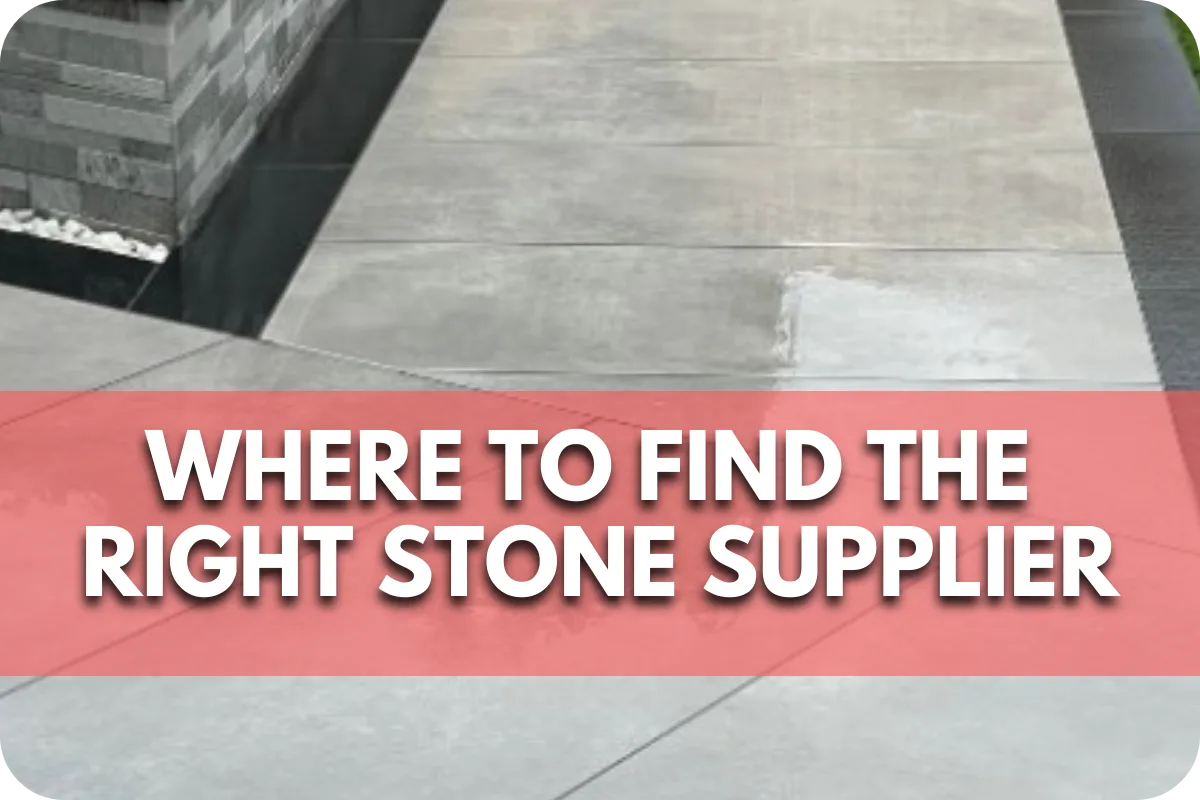
Partnering with a reputable stone supplier is key to a successful project. Here’s how to find the perfect fit:
- Splendour In Stone Melbourne: A highly-regarded supplier known for exceptional customer service, a vast selection of top-quality stones, and knowledgeable staff who can guide you through the selection process.
- Eco Outdoor: Specialises in both natural and engineered stone products with a focus on sustainability.
- CDK Stone: A large supplier with various natural stone choices.
Conclusion
Investing in the right stone pavers transforms your outdoor space. Consider your climate, style, and budget for a patio that’s both beautiful and built to last. Now, explore the possibilities and get ready to create an outdoor oasis you’ll love for years to come!