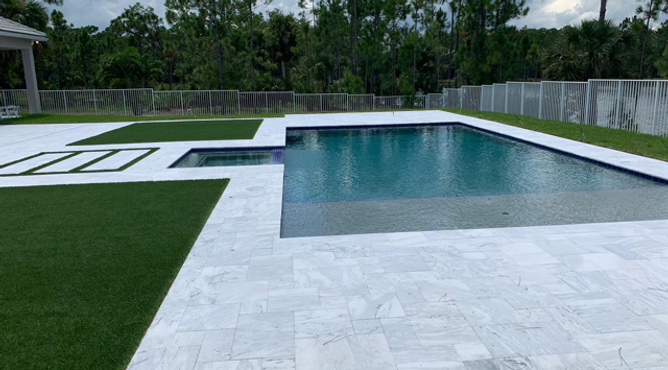
Marble pavers are a stunning addition to any outdoor space, but if they are not properly sealed, they are prone to stains and weather damage.
Without sealing, your beautiful marble pavers can quickly lose their lustre, become stained, and deteriorate due to harsh weather conditions. This can lead to costly repairs and replacements.
This comprehensive guide explains the essential steps to sealing marble pavers effectively, ensuring they remain beautiful and durable for years.
Why Sealing Marble Pavers is Essential
Sealing marble pavers is not just a recommended step; protecting and maintaining their beauty and functionality is crucial. Despite its durability, marble is a porous stone that can easily absorb liquids and stains, which is why ongoing marble paver maintenance matters after installation. This porosity makes unsealed marble vulnerable to spills from food, drinks, and other substances, leading to unsightly stains that can be difficult to remove.
Beyond stain prevention, sealing provides a protective barrier against environmental elements. Weather conditions, such as rain, sun, and frost, can cause the marble to deteriorate over time. UV rays can lead to discolouration, while water can seep into the stone, causing it to crack and erode. A quality sealant shields the marble from these elements, preserving its natural look and structural integrity. That upkeep is part of the deal with marble pavers in outdoor living areas, where the surface is exposed year round.
Moreover, sealing enhances the marble’s natural colours and veining, giving it a richer, more vibrant appearance. This added aesthetic value is particularly important for outdoor spaces where visual appeal is a priority. By sealing your marble pavers, you ensure they remain beautiful but also robust and long-lasting, providing a stunning and durable surface for your outdoor area.
Choosing the Right Sealant
Selecting the appropriate sealant for your marble pavers ensures their long-term protection and aesthetic appeal. The right sealant will provide a robust barrier against stains, weathering, and other potential damage, especially in outdoor stone areas exposed to changing weather. Two primary types of sealants are to consider: penetrating and topical sealants.
1. Penetrating Sealants
Penetrating sealants, or impregnators, are designed to seep into the marble’s pores, creating a protective barrier from within. These sealants are excellent for preserving the natural appearance of the stone.
They are particularly effective at preventing stains and moisture penetration, making them ideal for outdoor areas exposed to harsh weather conditions and heavy foot traffic. Penetrating sealants do not alter the marble’s surface, maintaining its natural matte finish while providing robust protection.
2. Topical Sealants
Topical sealants form a protective layer on the surface of the marble. Depending on your preference, these sealants can enhance the stone’s appearance by adding a glossy or matte finish.
They are easy to apply and make the marble look more vibrant and polished. However, topical sealants may require more frequent reapplication and can be susceptible to wear and tear, especially in high-traffic areas. They are suitable for indoor applications or areas where a decorative finish is desired. That indoor and outdoor divide is the same one separating marble pavers from marble tiles, where thickness and finish decide which format belongs where.
Factors to Consider When Selecting a Sealant
- Level of Foot Traffic: A penetrating sealant is recommended for high-traffic areas due to its durability and long-lasting protection.
- Exposure to Elements: Outdoor marble pavers exposed to rain, sun, and frost benefit more from penetrating sealants that protect from within.
- Desired Finish: Choose a penetrating sealant if you prefer a natural look. A topical sealant with a glossy finish might suit a more polished appearance.
- Ease of Maintenance: Penetrating sealants require less frequent maintenance than topical sealants, which might need reapplication to maintain their protective qualities.
Preparing Your Marble Pavers for Sealing

Proper preparation of your marble pavers is essential to ensure effective sealing and long-lasting protection. Skipping or rushing through this step can produce suboptimal results, reducing the sealant’s effectiveness.
1. Cleaning the Pavers
Clean the marble pavers thoroughly to remove dirt, grime, and previous sealant residue. Use a pH-neutral stone cleaner, as acidic or alkaline cleaners can damage the marble and make paver cleaning and maintenance harder over time. A soft-bristle brush or a mop can help scrub stubborn dirt without scratching the surface. Rinse the pavers well with clean water and allow them to dry completely. Moisture left on the pavers can interfere with the sealant’s adherence.
2. Repairing Any Damage
Inspect the marble pavers for any cracks, chips, or holes. Use a marble repair kit to fill these imperfections. Smooth out the repair areas to ensure an even surface, which will help the sealant to apply uniformly. Addressing these issues beforehand prevents further damage and ensures a smooth, seamless sealant application.
3. Ensuring the Pavers are Dry
Before applying the sealant, make sure the pavers are completely dry. Any residual moisture can compromise the sealant’s effectiveness, leading to bubbles or an uneven finish. Drying times can vary depending on weather conditions, so it’s crucial to allow sufficient time for the pavers to dry out fully.
By meticulously preparing your marble pavers, you lay the groundwork for a successful sealing process, ensuring maximum protection and longevity for your outdoor surfaces.
The Sealing Process

Executing the sealing process correctly is crucial to achieving a durable and aesthetically pleasing finish on your marble pavers. Here’s a step-by-step guide to help you seal your pavers effectively.
- Application Method: Choose the right application method for your sealant, whether a roller, brush, or sprayer. Rollers and brushes are suitable for smaller areas, while sprayers can cover large surfaces quickly and evenly.
- First Coat: Begin by applying the first coat of sealant evenly across the marble pavers. Work in small sections to ensure thorough coverage. For penetrating sealants, allow the product to soak into the marble for the recommended time on the label. Apply a thin layer of topical sealants to avoid streaks and bubbles.
- Drying Time: Allow the first coat to dry completely before applying additional coats. The drying time can vary depending on the type of sealant and weather conditions, but it typically ranges from a few hours to overnight.
- Additional Coats: Apply subsequent coats as needed. Two to three coats generally provide optimal protection. Ensure each coat is fully dry before applying the next one.
- Final Inspection: After the final coat has dried, inspect the pavers for any missed spots or uneven areas. Touch up these areas to ensure complete coverage and a uniform finish.
Post-Sealing Care and Maintenance
Proper post-sealing care and maintenance are essential to prolong the life and appearance of your sealed marble pavers. Here’s how to keep them looking their best.
Initial Curing Period
After sealing, it’s important to allow the sealant to cure fully. Avoid heavy foot traffic, moving furniture, or placing heavy objects on the pavers for at least 24 to 48 hours, depending on the sealant’s instructions. This curing period ensures the sealant sets properly and provides maximum protection.
Regular Maintenance
To maintain the integrity of the sealant and the beauty of your marble pavers, follow a regular maintenance routine that supports proper natural stone care:
- Cleaning: Use a pH-neutral stone cleaner to clean the pavers periodically. Avoid acidic or abrasive cleaners that can damage the sealant.
- Spill Management: Wipe up spills immediately to prevent staining. Although the sealant provides a protective barrier, quick action helps maintain the pavers’ pristine condition.
- Sweeping and Rinsing: Regularly sweep away dirt and debris, and rinse the pavers with clean water to prevent build-up that can wear down the sealant over time.
Reapplying Sealant
Over time, the sealant may wear off due to weather and foot traffic. Inspect your pavers annually and reapply the sealant as needed, typically every 1 to 3 years, especially around pool decks and outdoor entertaining areas. This ensures continuous protection and keeps the pavers looking vibrant.
By following these care and maintenance tips, you can ensure your sealed marble pavers remain beautiful and durable for many years, preserving the investment you’ve made in your outdoor space.
Troubleshooting Common Issues

Even with careful application, you may encounter some common issues when sealing marble pavers. Here’s how to address them effectively.
Dealing with Sealant Streaks and Bubbles
Streaks and bubbles can occur if the sealant is applied too thickly or unevenly. To fix this, lightly sand the affected areas with fine-grit sandpaper once the sealant is completely dry, then reapply a thin, even coat. Ensure you use a consistent application method, such as a roller or sprayer, to achieve a smooth finish.
Addressing Uneven Sealant Application
If you notice uneven areas where the sealant is thicker in some spots and thinner in others, you can correct this by applying another coat to even out the coverage. Focus on the thinner areas first, allowing them to catch up to the thicker sections. Always follow the drying times recommended by the sealant manufacturer to avoid over-application.
Removing and Reapplying Sealant
In cases where the sealant has not adhered correctly or has developed significant imperfections, it may be necessary to remove it and start over. To strip the old sealant, use a sealant remover designed explicitly for marble. Clean the pavers thoroughly, allow them to dry, and then reapply the sealant following the proper steps.
Preventing Future Issues
To minimise future problems, always apply sealant in optimal weather conditions, ideally when mild temperatures and humidity are low, and follow broader stone paver installation and repair guidance when the surface has deeper issues. Additionally, follow the manufacturer’s instructions carefully regarding application techniques and drying times.
Conclusion
Sealing your marble pavers is crucial for maintaining their beauty and durability. Following this comprehensive guide ensures your pavers remain pristine and long-lasting.
For professional results, consider consulting an industry expert. Protect your marble pavers today and enjoy a stunning outdoor space for years.