Bedding Materials for Natural Stone: Sand, Mortar, and Adhesive Options Explained

Choosing the right bedding material can make or break a natural stone installation, and more than half of costly paving failures start with the wrong base. It is a bigger issue than most realise.
Get it wrong, and you risk movement, cracking, drainage problems and a finish that never looks level. No one wants to redo a job that should last decades.
This guide breaks down sand, mortar and adhesive bedding in a clear, friendly way so you can understand where each option works best. Let’s set up your stone project for long-term success!
In this guide
- Why Bedding Materials Matter for Natural Stone Installations
- Sand Bedding for Natural Stone
- Mortar Bedding for Natural Stone
- Adhesive Bedding for Natural Stone
- Comparing Sand vs Mortar vs Adhesive Bedding
- Common Bedding Mistakes to Avoid
- How to Choose the Right Bedding Material for Your Project
- Your Foundation for a Long-Lasting Stone Finish
- Frequently Asked Questions About Bedding Materials for Natural Stone
Why Bedding Materials Matter for Natural Stone Installations
Strong natural stone installations begin with the right foundation. These core principles explain why bedding materials matter and how they influence durability, stability and the final appearance of your project.
- Structural Support: Bedding materials distribute weight evenly beneath each stone, preventing sinking and reducing pressure points. This keeps surfaces stable in both residential pathways and high-traffic outdoor spaces.
- Drainage Control: A proper bedding layer helps manage water under the stone, reducing moisture buildup. This prevents soft spots, mould growth and long-term damage in varying Australian weather conditions.
- Movement Prevention: Correct bedding minimises shifting caused by foot traffic, soil movement or temperature changes. It keeps every stone locked in position, reducing the chance of misalignment.
- Level Surface Finish: Consistent bedding depth ensures stones sit evenly and maintain a smooth surface. This improves both safety and appearance across patios, pool areas and garden paths.
- Long-Term Performance: Quality bedding materials enhance the lifespan of natural stone by reducing wear and preventing early failure. They keep installations looking clean, strong and well presented for years.
Sand Bedding for Natural Stone
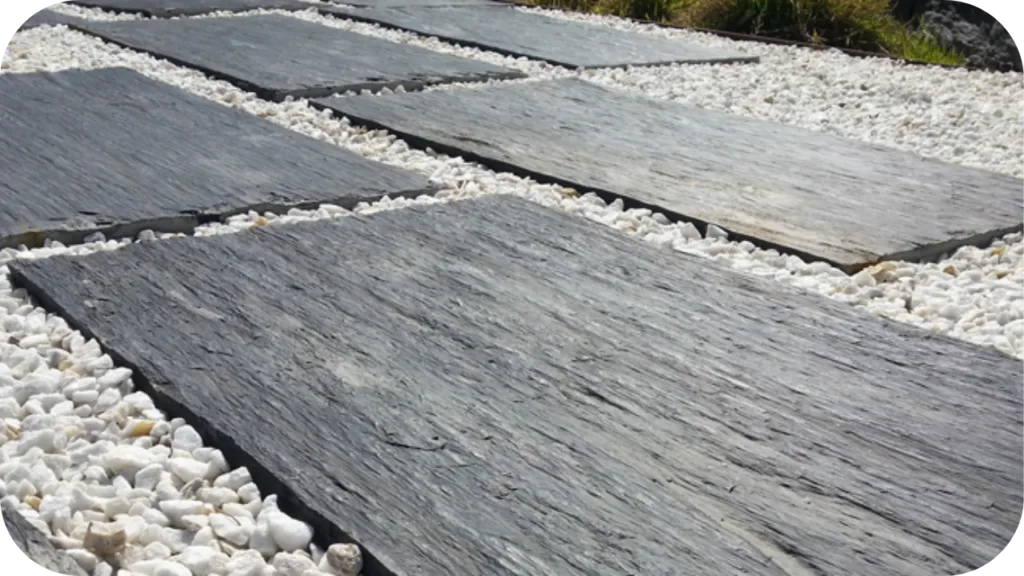
Sand bedding is a popular and reliable method for supporting natural stone in flexible paving systems.
It involves laying a compacted base of crushed rock, followed by a layer of sharp sand that allows each stone to settle securely while still accommodating slight movement. This flexibility helps manage shifts in soil, temperature changes, and everyday foot traffic.
Sand bedding also encourages efficient drainage, which is essential in Australian landscapes where heavy rain can quickly saturate outdoor areas. Because the system is forgiving and easy to adjust, installers can correct levels as they work, helping achieve a smooth, even finish.
It is an ideal choice for pathways, garden areas, stepping stones, and driveways where full rigidity is not required. Repairs are usually simple, as individual stones can be lifted and re-levelled without major disruption.
When installed correctly with proper compaction, sand bedding provides a durable and cost-effective foundation for natural stone.
Mortar Bedding for Natural Stone
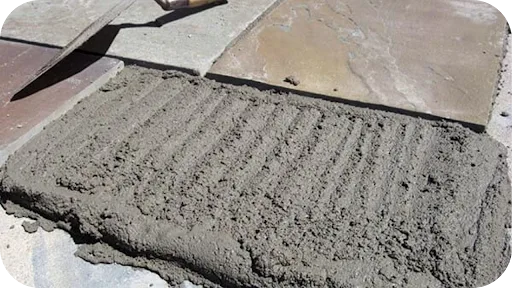
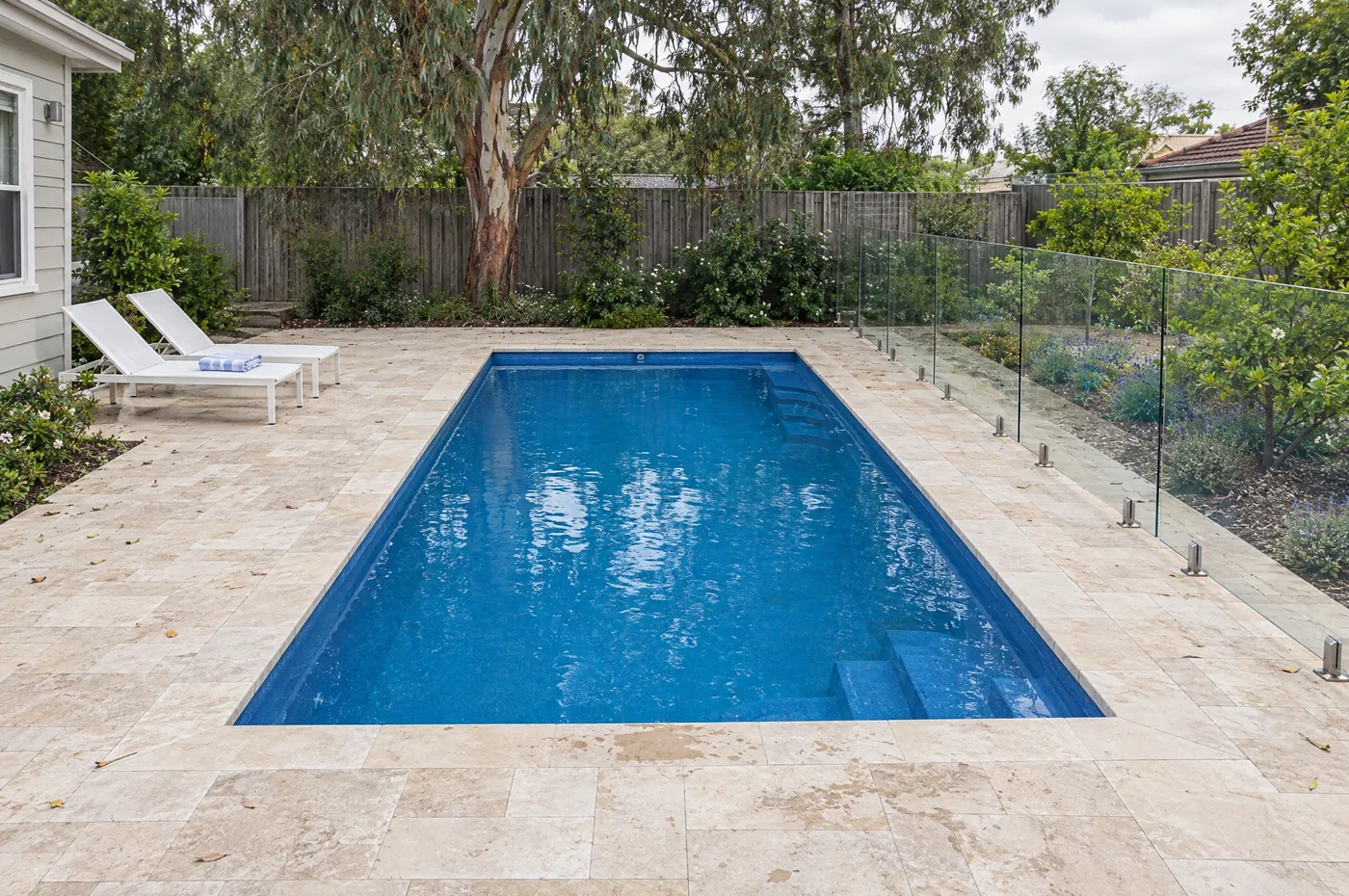
Mortar bedding provides a strong and stable foundation for natural stone, making it ideal for areas where movement must be minimised.
Unlike sand bedding, mortar creates a rigid bond between the stone and the substrate, allowing each piece to stay firmly in place under heavier loads. This added strength makes it a preferred choice for patios, stairs, pool surrounds and high-traffic outdoor spaces.
Mortar bedding also helps achieve a level, consistent finish, especially when working with thinner stone pieces that need uniform support. It performs well in areas exposed to moisture, as the bonded surface reduces the risk of water penetration and displacement.
However, mortar bedding requires skill and precision, with correct mixing, curing and surface preparation essential for long-term performance. When installed properly, it delivers a durable and visually clean result that stands up to Australian conditions and supports natural stone installations for many years.
Adhesive Bedding for Natural Stone
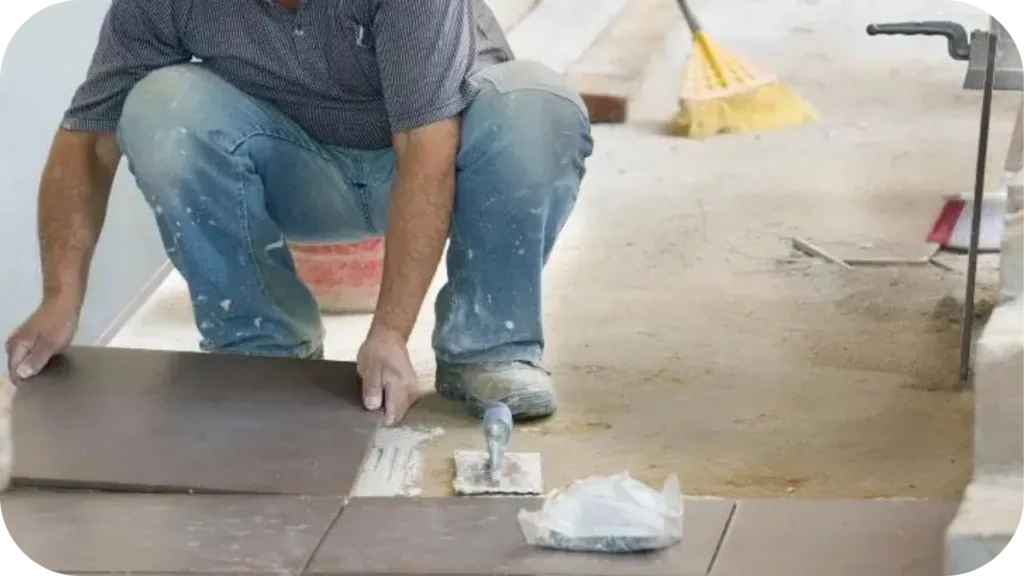
Adhesive bedding is a modern and highly effective method for securing natural stone, especially in applications where a clean, lightweight and precise installation is needed.
Using high-strength tile adhesives, this system creates a firm bond between the stone and the substrate, making it ideal for wall cladding, indoor flooring and vertical surfaces.
Adhesive bedding suits thinner stone pieces and ensures each one sits neatly without the need for bulky support layers. When applied correctly, it offers excellent grip, reduced movement and a polished finish that works beautifully in contemporary designs.
It also allows for faster installation in controlled environments, such as interior spaces, where conditions favour adhesive curing. While not suitable for every outdoor surface or heavy load area, adhesive bedding provides a practical and efficient solution for many architectural and decorative applications.
With the right preparation and product choice, it delivers long-lasting performance and a refined natural stone appearance.
Comparing Sand vs Mortar vs Adhesive Bedding
Choosing the right bedding material depends on load, climate, stone type, and installation style. This quick comparison table helps you see how each option performs.
| Category | Sand Bedding | Mortar Bedding | Adhesive Bedding |
| Strength and Stability | Flexible base with lower overall strength. Best for light foot traffic only. | Very strong and stable. Ideal for heavy loads and long-term use. | Strong bond when the substrate is correct. Suit thin stone and tiles. |
| Drainage Performance | Excellent drainage due to open structure. | Moderate drainage depending on mix and base preparation. | Limited drainage. Requires proper waterproofing and a correct substrate. |
| Load Bearing Capacity | Not suitable for driveways or heavy loads. | Suitable for driveways, steps, and high-traffic paved areas. | Best for vertical surfaces, coping, and indoor floors. Not ideal for load-bearing pavements. |
| Installation Difficulty | Easiest to install. Good for DIY or simple landscaping. | Requires skilled labour and proper ratios. More time-consuming. | Needs a clean, level substrate. Precise application. Not suited for uneven bases. |
| Cost Level | Most budget-friendly due to simple preparation and low labour. | Medium to high due to materials and skilled installation. | Medium cost depending on adhesive type and surface preparation. |
| Best Stone Types | Stepping stones, some natural stone pavers in low traffic areas. | Natural stone pavers, coping, larger format stones, and outdoor paving. | Stone tiles, wall cladding, porcelain, thin or calibrated stone pieces. |
| Best Locations | Garden paths, light patios, temporary installations. | Driveways, patios, pool areas, steps, any high-use outdoor zone. | Wall cladding, indoor floors, pool coping, and precise exterior finishes. |
| Longevity | Shorter lifespan if exposed to high use or movement. | Long lifespan when installed correctly. Extremely durable. | Long-lasting when the substrate and conditions are controlled. |
| Climate Suitability | Works in dry areas with minimal load. | Performs well in all Australian climates. Handles moisture and heat. | Best where surfaces stay stable, dry, and level. |
Common Bedding Mistakes to Avoid
Avoiding common bedding mistakes can save you time, money and headaches. These key points highlight issues that often compromise natural stone installations and affect long-term performance.
- Poor Compaction: Insufficient compaction leads to sinking and uneven surfaces. A stable base is essential for supporting the weight of natural stone across outdoor and high-use areas.
- Wrong Material Choice: Using sand where mortar is required or adhesive where moisture is present weakens the installation. Each bedding type suits specific conditions and must be chosen carefully.
- Inconsistent Bedding Depth: Uneven bedding causes lippage and tripping hazards. Keeping a consistent depth ensures every stone sits level and maintains a clean, professional finish.
- Ignoring Drainage Needs: Blocked or poorly planned drainage creates water buildup and premature damage. Bedding must allow water to move away from the stone effectively.
- Rushing Installation: Skipping curing time or levelling checks reduces strength and appearance. Taking the time to prepare and install correctly ensures long-lasting performance.
How to Choose the Right Bedding Material for Your Project
Choosing the right bedding material depends on your site conditions, stone type and how the finished surface will be used. These points guide you toward the most suitable option for a long-lasting result.
- Stone Thickness and Type: Thicker stones often suit mortar or sand, while thinner cladding performs best with adhesives. Matching bedding to stone characteristics prevents cracking and ensures proper support.
- Traffic and Load Levels: Light foot traffic works well with sand bedding, while driveways or heavy-use areas need mortar. Indoor floors and walls often rely on adhesive for secure bonding.
- Substrate Conditions: Stable, well-prepared bases allow sand or mortar to perform reliably. Adhesive systems need clean, dry and firm surfaces to achieve the required bond strength.
- Drainage Requirements: Outdoor areas exposed to weather may require sand or mortar for improved water management. Good drainage protects the stone and reduces long-term maintenance.
- Installation Time and Skill: Adhesives offer fast installation for experienced installers. Mortar requires more skill and patience, while sand suits projects where easy adjustment and flexibility are needed.
Your Foundation for a Long-Lasting Stone Finish
Choosing the right bedding material shapes how well your natural stone performs, from drainage and durability to the final look underfoot. Sand, mortar and adhesive each excel in different settings, and understanding their strengths helps you build with confidence.
If you want guidance tailored to your project conditions and stone type, the team at Splendour in Stone is ready to help. Reach out for expert advice, product recommendations and support that sets your installation up for long-term success.
Frequently Asked Questions About Bedding Materials for Natural Stone
What is the best bedding material for natural stone paving?
The best bedding material depends on how and where the stone will be used. Sand suits light foot traffic areas like garden paths, mortar works best for driveways and high-use outdoor spaces, and adhesive is ideal for indoor floors or wall cladding where a strong bond and clean finish are required.
Can I lay natural stone directly on soil?
No. Laying natural stone directly on soil often leads to sinking, shifting and drainage issues. A properly compacted base with the correct bedding material, whether sand, mortar or adhesive, is essential for stability, load distribution and long-term durability.
Is sand bedding strong enough for driveways?
Standard sand bedding is not recommended for driveways or heavy loads. While it performs well for light landscaping projects, areas exposed to vehicle traffic typically require mortar bedding to provide the strength and rigidity needed to prevent movement and cracking.
Does mortar bedding prevent drainage?
Mortar bedding reduces movement and creates a rigid base, but drainage depends on correct base preparation and slope design. When installed properly with adequate fall and sub-base support, mortar systems can manage water effectively in most Australian outdoor environments.
When should I use adhesive instead of mortar?
Adhesive bedding is best for thinner stone pieces, wall cladding, indoor flooring and controlled environments. It provides a strong bond on clean, level substrates but is not suitable for heavy load-bearing pavements or unstable outdoor bases.
How long do different bedding systems last?
Longevity depends on correct installation and site conditions. Sand systems may require occasional adjustment over time, while mortar bedding can last decades when installed correctly. Adhesive systems also offer long-term durability in stable, protected environments.