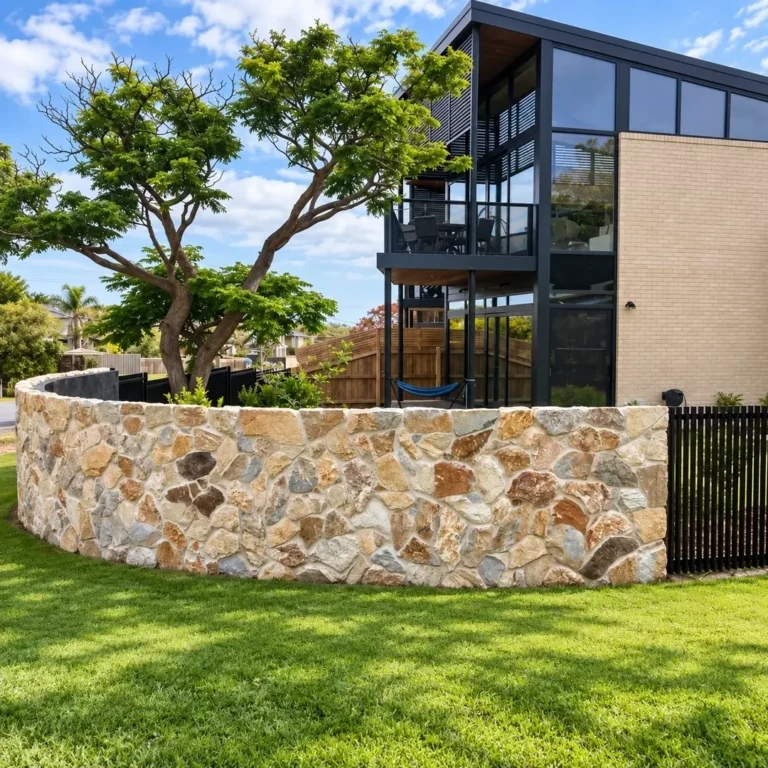
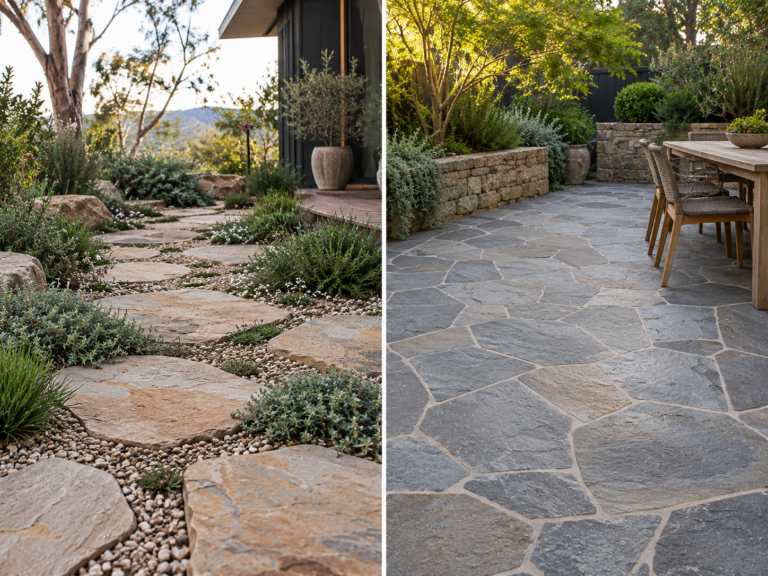
Stone capping is a shaped stone laid along the top of a wall, and a pier cap is the same idea sized for a pillar or gate post. Both do one structural job: they shed water off the top of the masonry so it runs clear instead of soaking into the wall. Everything else they do, the finished line along a garden wall, the weight they give a gate post, follows from being there
This guide covers it all, whether you’re seeking a polished finish for your garden walls or enhancing the grandeur of driveway pillars. We’ll explore the practical benefits, design options, and ideal placements for stone capping, helping you create lasting impressions in your outdoor spaces. Let’s get started!
Why Use Stone Capping or Stone Pier Caps?
Stone capping, or stone pier caps, is essential to masonry structures like walls, columns, and piers. These stone tops enhance the aesthetic appeal of outdoor features and provide vital protection against weathering, moisture damage, and structural wear.
1. Durability and Protection
Stone capping provides excellent protection for masonry structures against environmental damage. Rain, snow, and fluctuating temperatures can cause significant harm over time, leading to erosion, cracking, or deterioration of walls, columns, and piers.
Stone caps prevent water from seeping into the tops of these structures, helping avoid moisture-related damage like freeze-thaw cycles, a common problem in colder climates. The weight and density of stone naturally protect against the elements, acting as a shield to preserve the integrity of the underlying masonry.
Stone caps divert water from sensitive areas, preventing pooling and structural weakening.
2. Aesthetic Appeal
Stone capping adds a sophisticated and polished finish to any stone wall, column, or pier. It’s an effective way to enhance the visual appeal of outdoor structures. With various styles, shapes, and finishes available—from smooth, polished surfaces to natural, textured stones—stone caps can complement any architectural or landscape design.
Whether used on gate posts, garden walls, or boundary fences, stone gives a neat, refined appearance that elevates the overall look of the space.
With its unique grain patterns and colour variations, the stone’s natural beauty contributes an organic, timeless charm, perfectly balancing functionality and aesthetics.
3. Structural Integrity
Stone caps are crucial in maintaining the structural integrity of walls, piers, and columns. Distributing weight evenly prevents pressure from concentrating at the top of the structure, reducing the risk of cracks and damage.
This is particularly important in tall columns or walls subjected to heavy loads or external forces like wind or impact. Stone capping also shields the top from water infiltration, which could weaken the underlying structure over time.
4. Low Maintenance
One key benefit of using stone capping is its low maintenance. Unlike materials such as wood or metal, which require regular treatment, sealing, or repainting, stone caps are virtually maintenance-free.
Stone is naturally resistant to weathering, corrosion, and pest damage, making it a long-lasting solution. Once installed, stone caps retain their integrity and appearance without needing constant attention.
Cleaning them is simple and infrequent, requiring only periodic washing to remove debris or dirt. This low-maintenance nature makes stone capping a cost-effective option in the long run, as it reduces the need for costly repairs or replacements.
Where to Use Stone Capping or Stone Pier Caps?

Transform your outdoor spaces with stone capping—experience how and where to use it for unmatched elegance and protection, from garden walls to driveway pillars. Ready to elevate your design?
1. Gate Posts and Pillars
Stone capping is famous for gate posts and pillars, especially at property entrances. These structures are often focal points, and adding stone caps gives them a refined, finished look.
Stone’s durability also protects the tops of gate posts from weathering, which is particularly important since these areas are exposed to the elements. Whether you’re framing a grand driveway or a garden entrance, stone pier caps add both protection and elegance, enhancing curb appeal while ensuring longevity.
2. Garden Walls and Retaining Walls
Garden and retaining walls are essential for landscaping structures, but they are also susceptible to damage from water and the elements.Stone capping provides a protective barrier at the top, preventing moisture from seeping into the wall, which can cause erosion or cracking over time.
It also adds a finished, polished look to the wall, complementing its design. Whether used on decorative garden walls or functional retaining walls that hold soil, stone capping enhances these structures’ durability and aesthetic value.
3. Driveways and Pathways
Stone capping is often used for posts and pillars along driveways and pathways. These pillars help define the entrance and edges of the path, and the addition of stone caps adds sophistication.
Stone’s durability also protects the tops of posts from weathering and impact, particularly in high-traffic areas. Whether used on ornate columns at the entrance to your driveway or as part of a decorative feature along a garden pathway, stone caps create a cohesive and stylish look while preserving the structure’s integrity.
4. Fencing and Boundary Walls
Stone capping is commonly applied to the tops of fences and boundary walls to offer aesthetic appeal and functional protection. The caps prevent rainwater from infiltrating the wall’s top, which can lead to damage over time.
Whether your fencing is made of stone, brick, or concrete, stone caps help protect the structure and provide a finished, elegant appearance. They also enhance privacy by adding height and definition to the wall, making them an excellent choice for boundary fences around gardens or properties.
5. Landscaping Feature.
Stone caps are ideal for landscaping features like stone columns, garden planters, and raised flower beds. These features often need extra protection from the elements, and stone capping prevents soil erosion, water damage, or plant overgrowth from affecting the structure.
Stone caps add a decorative element to the garden, seamlessly blending with the natural surroundings. Whether used on a decorative stone column or a raised planter, stone capping enhances the overall aesthetic while ensuring the longevity of these landscaping elements.
6. Architectural Details on Homes
Stone capping can also be used as an architectural detail on homes, particularly on stone or brick columns, railings, or edges of balconies and staircases. It caps off the tops of these structures with a polished, professional finish, enhancing the home’s overall exterior design.
Stone caps improve the appearance of architectural features and protect them from weather damage and decay, ensuring they remain strong and visually appealing for many years. Adding stone capping to your home’s exterior can significantly elevate its curb appeal and value.
Benefits of Using Stone Capping and Pier Caps

Investing in stone capping and pier caps isn’t just about aesthetics – it’s about fortifying your property and adding long-term value. Here’s why these seemingly simple additions are a must-have:
- Weather Warriors: Stone capping acts as a shield, deflecting rain and snow away from vulnerable wall surfaces. This prevents water damage, erosion, and staining, ensuring your walls stand firm against the elements.
- Structural Guardians: Pier caps provide crucial support for both walls and gates. They distribute weight evenly, preventing cracks and instability, especially in areas prone to ground movement.
- Timeless Beauty: Beyond function, stone capping and pier caps elevate your property’s appearance. Their natural elegance complements various architectural styles, adding a touch of sophistication and charm.
- Low Maintenance Luxury: Once installed, stone capping and pier caps require minimal upkeep. They resist fading, cracking, and chipping, maintaining their pristine look for years.
- Return on Investment: These features enhance curb appeal and boost your property’s value. Potential buyers are drawn to well-maintained exteriors, making your investment wise.
Choosing the Right Stone Capping and Pier Caps

| Stone | Look | Suits which wall | Weathering note |
|---|---|---|---|
| Granite | Dense, speckled, cool grey to black | Exposed walls, gate posts, high-traffic boundaries | Absorbs very little, holds colour under UV |
| Bluestone | Deep grey to blue-grey, even tone | Contemporary garden walls, retaining wall tops | Dense and even, contemporary line |
| Sandstone | Warm honey and gold, visible grain | Garden and boundary walls, heritage settings | Porous, usually sealed on exposed tops |
| Limestone | Pale cream to soft grey, fine grain | Rendered and pale masonry, courtyard walls | Porous, usually sealed, avoid acid cleaners |
| Porphyry | Grey, brown and red variation | Rustic and informal walls | Naturally varied surface hides weathering |
Whichever stone you choose, the profile matters as much as the material: a cap with a drip edge and a slight fall sheds water clear of the wall face, while a flat cap with no overhang lets it run straight down the masonry.
Choosing the correct stone capping and pier caps can feel overwhelming, but with a few key considerations, you’ll find the perfect match for your project.
- Material Matters: Consider the material of your existing structure. Matching or complementing materials creates a cohesive look. For instance, sandstone capping beautifully complements sandstone walls.
- Style Statement: Choose a style that complements your property’s architecture. Traditional homes often feature ornate pier caps, while modern designs benefit from sleek, minimalist options.
- Size and Shape: Ensure the dimensions of your chosen capping and pier caps are proportionate to the structures they’ll adorn. Oversized or undersized options can look awkward.
- Colour Coordination: Select colours that harmonise with your existing colour palette. Earthy tones like browns and greys offer versatility, while bolder colours create a statement.
- Budget-Friendly: Stone capping and pier caps come in various price ranges. Set a budget beforehand to narrow down your choices and avoid overspending.
- Professional Guidance: If unsure, seek advice from a landscape designer or stone supplier. Their expertise can help you make informed decisions based on your needs and preferences.
Choosing capping for your wall
So, there you have it! Stone capping is the MVP for protecting your outdoor spaces – tough as nails and as good-looking as a sunset over Bondi.
Whether you’re sprucing up your garden walls or giving your gate posts a bit of TLC, it’s the low-maintenance hero your property deserves. No more worrying about erosion or water damage. Stick a stone cap on it, and you’re good to go – job’s a beauty!
Frequently asked questions
1. What is stone capping for?
Stone capping sheds water off the top of a wall so it runs clear of the face instead of soaking into the masonry. An uncapped wall absorbs water through its top course, and that water carries dissolved salts, encourages organic growth and works at the mortar joints over time. The finished appearance is a genuine benefit, but the water is the reason.
2. Do garden walls need capping?
A freestanding garden wall benefits from capping more than almost any other structure, because its top is fully exposed and it has no roof or flashing above it. Retaining walls with an exposed top course are the same. A wall that abuts a building or sits under a roofline is less exposed and the case is weaker.
3. What is the difference between a pier cap and wall capping?
A pier cap sits on a single pillar, gate post or column and is usually a square or rectangular unit with an overhang on all four sides. Wall capping runs continuously along the length of a wall, so it is supplied in lengths and cut to fit. The job is the same and the format is different.
4. How thick should wall capping be?
Thickness depends on the stone, the width of the wall and the profile, so it is a product specification rather than a general figure. What matters as much as thickness is the overhang: the cap needs to project beyond the wall face far enough to throw water clear. Confirm both for the specific product before ordering.
5. Does stone capping need sealing?
Porous stones such as sandstone and limestone are usually sealed on an exposed wall top, because the cap takes more direct weather than any other part of the wall. Denser stones such as granite absorb less and may not need it. Confirm the recommendation for the specific stone.
6. How is stone capping fixed?
Capping is normally bedded on mortar to the top course, with the joints between units pointed. The detail that decides how well it performs is the fall and the overhang rather than the fixing itself. Confirm the bedding specification for the stone and wall you are working with.