Travertine vs Limestone: Best Stone Guide for Paths, Pools and Outdoor Areas

Choosing between travertine and limestone is rarely about which stone looks better. Both can create beautiful paving, pool surrounds, garden paths and architectural features. The real question is which one suits your space, climate, lifestyle and maintenance expectations.
That is where the travertine vs limestone comparison becomes important. Travertine brings texture, grip and outdoor comfort, while limestone offers a smoother, more refined finish with subtle natural variation.
This guide breaks down the differences clearly, from appearance and heat resistance to poolside safety, garden path suitability, cost, maintenance and long-term value.
In this guide
- What Is Travertine?
- What Is Limestone?
- Travertine vs Limestone: Quick Comparison Table
- What Are the Main Differences Between Travertine and Limestone?
- Is Travertine or Limestone Better for Pool Surrounds?
- Is Travertine or Limestone Better for Garden Paths?
- Best Applications for Travertine and Limestone
- How to Choose Between Travertine and Limestone
- Common Mistakes to Avoid When Choosing Travertine or Limestone
- Travertine vs Limestone: Which One Should You Choose?
- Why Choose Splendour in Stone for Travertine and Limestone?
- Making the Right Stone Choice for Your Project
- FAQs About Travertine vs Limestone
What Is Travertine?
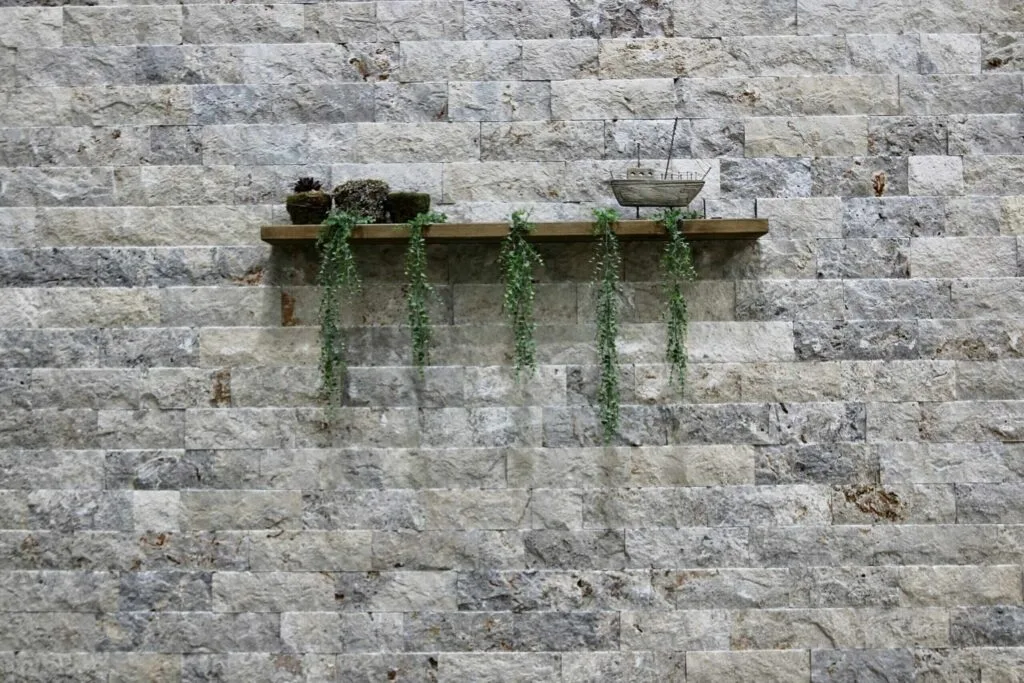
Travertine is a natural limestone-based stone formed around mineral-rich springs, caves and hot spring environments. As water moves through these areas, it deposits calcium carbonate over time, creating the layered structure and small surface holes that give travertine its distinctive character.
This natural texture is one of the reasons travertine is so popular for outdoor spaces. It has a relaxed, organic look that works beautifully around pools, patios, alfresco areas, walkways and garden paths. Common varieties include Classic Travertine, Silver Travertine and Ivory Travertine, each offering a different balance of warmth, softness and natural movement.
Travertine is also valued for its practical performance. It stays comfortable underfoot in hot weather, offers natural grip when finished correctly, and handles everyday outdoor use well when properly sealed and installed. For Australian homes, especially those with sun-exposed entertaining areas or pool surrounds, travertine is often chosen because it combines natural beauty with reliable outdoor function.
What Is Limestone?
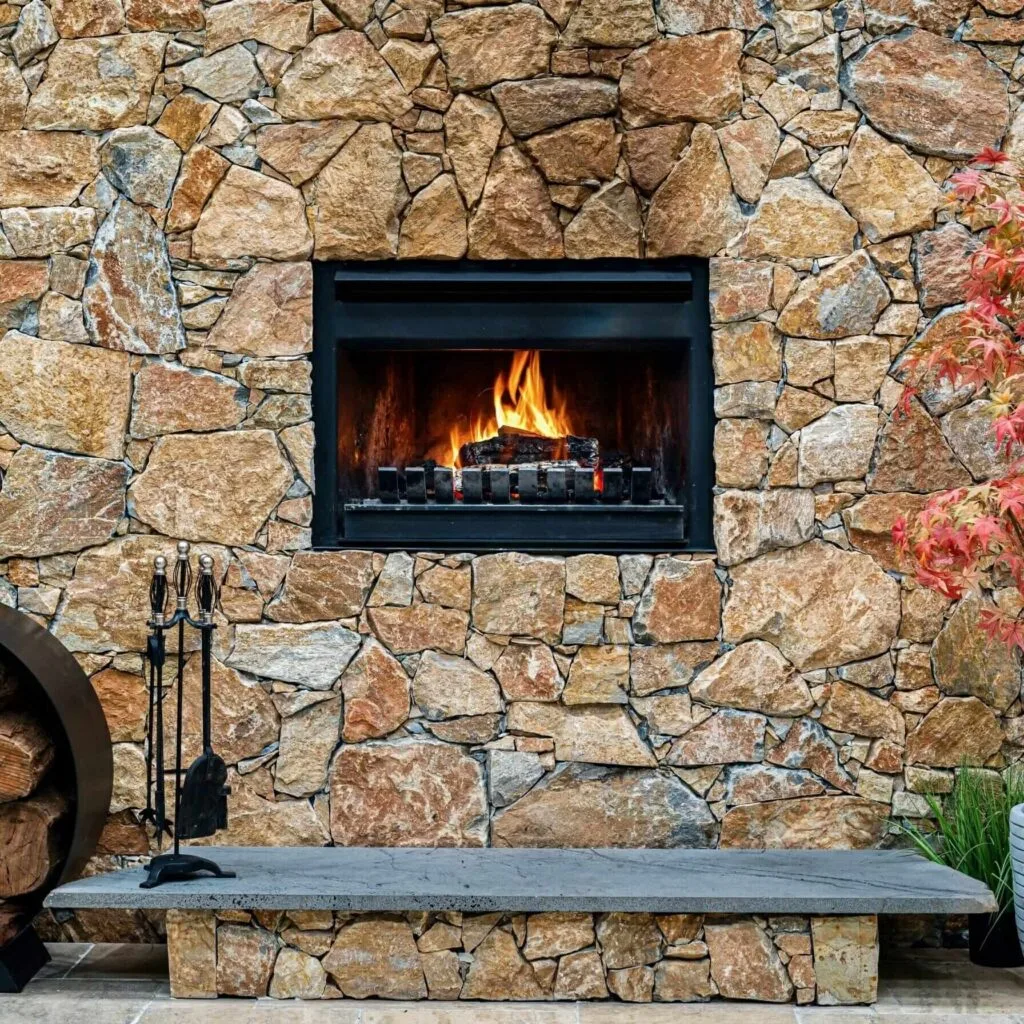
Limestone is a natural sedimentary stone formed over millions of years from compressed marine shells, coral fragments and mineral deposits. This slow formation process gives limestone its smooth texture, soft tonal variation and refined appearance, making it a popular choice for both indoor and outdoor design.
Unlike travertine, which often shows visible pits and stronger surface movement, limestone usually has a more consistent finish. Its colours commonly range from soft whites and creams to pale greys, sandy beiges and warmer neutral tones. This makes it especially useful for projects where the goal is a calm, clean and cohesive design.
Limestone works well across flooring, wall cladding, feature areas, courtyards, formal garden paths and shaded outdoor paving. Splendour in Stone options such as Loch Limestone, Brooklyn Limestone, Berkshire Limestone, Sienna Limestone and Selene Limestone show how versatile the material can be across different architectural styles.
When correctly sealed and installed, limestone delivers long-lasting performance with a timeless natural finish. It is often chosen for modern, coastal and classic spaces where subtle elegance matters just as much as durability.
Travertine vs Limestone: Quick Comparison Table
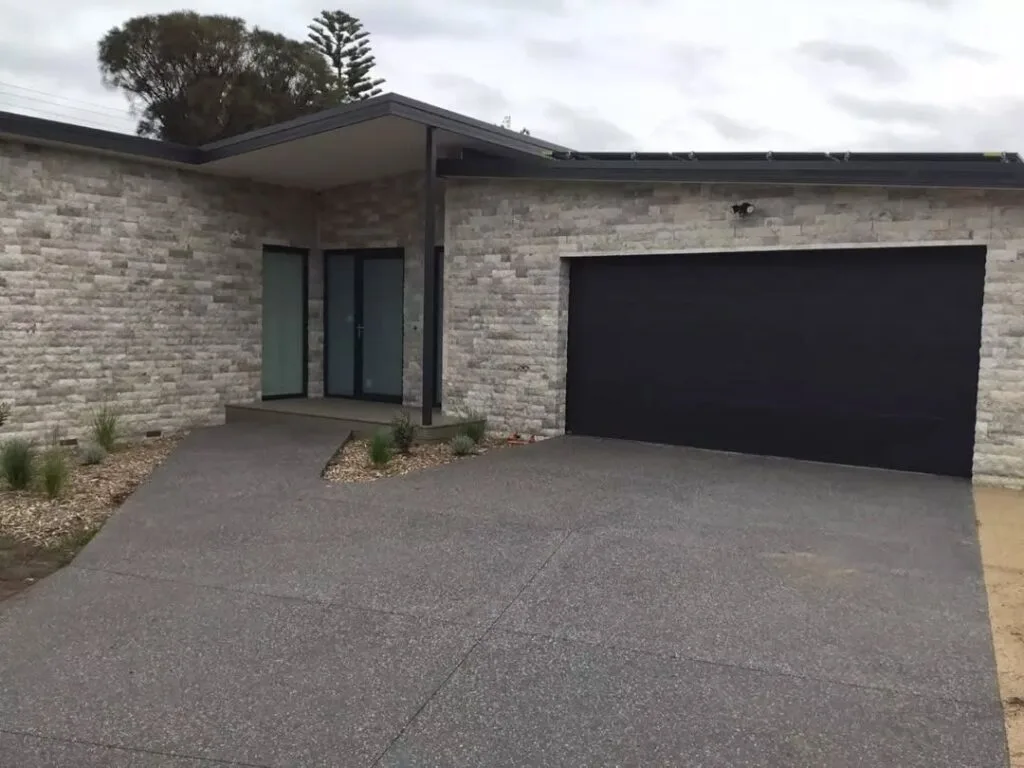
Travertine and limestone are both premium natural stones, but they suit different project needs. Travertine is often the stronger choice for exposed outdoor areas, while limestone is ideal when you want a smoother, more refined finish. This quick comparison gives you a clear starting point before choosing the right stone for your space.
| Feature | Travertine | Limestone | Best Choice |
| Appearance | Textured, warm and naturally varied | Smooth, refined and more consistent | Depends on your style |
| Heat comfort | Stays cooler underfoot in sunny areas | Can retain more heat depending on colour and finish | Travertine |
| Slip resistance | Naturally textured with good grip | Needs the right finish for wet areas | Travertine |
| Outdoor durability | Strong for exposed paving, patios and pool areas | Performs well in controlled or shaded spaces | Travertine |
| Pool surrounds | Excellent for barefoot comfort and grip | Suitable with correct sealing and surface finish | Travertine |
| Garden paths | Great for rustic, informal and high-use paths | Great for formal, structured and lower-use paths | Depends on design |
| Maintenance | Forgiving when sealed correctly | Needs gentler cleaning and closer care | Travertine |
| Design style | Suits rustic, Mediterranean and relaxed outdoor spaces | Suits modern, coastal and minimalist designs | Depends on project |
| Long-term value | Strong value in high-traffic outdoor areas | Strong value in refined architectural spaces | Depends on use |
What Are the Main Differences Between Travertine and Limestone?
Travertine and limestone may come from similar natural origins, but they perform differently once used in real projects. The biggest differences appear in texture, heat comfort, slip resistance, durability, maintenance and the overall design style they create.
1. Appearance and Surface Texture
Travertine has a more textured, layered and organic appearance. Its natural pores, small surface holes and tonal variation give it a relaxed character that works beautifully in outdoor living areas. It often feels warm, rustic and slightly aged, which makes it ideal for Mediterranean, coastal and resort-style spaces.
Limestone has a smoother and more consistent surface. It usually creates a cleaner, softer and more refined look, especially in modern homes, formal gardens and architectural interiors. Where travertine adds movement, limestone brings calmness and visual balance.
2. Heat Retention and Barefoot Comfort
Heat comfort matters in Australian outdoor spaces, especially around pools, patios and sun-exposed paving. Travertine is often preferred because it stays cooler underfoot compared with many other paving materials. That makes it practical for barefoot areas where people walk, sit and entertain during warmer months.
Limestone can also feel comfortable, particularly in lighter colours and shaded areas. However, some limestone finishes may retain more heat depending on the stone colour, surface treatment and level of direct sun exposure. For hot, open spaces, travertine usually has the advantage.
3. Slip Resistance and Safety
Travertine naturally offers more surface grip because of its textured structure. This makes it a strong option for pool surrounds, garden paths, steps, patios and areas that may become wet. When finished correctly, it gives the surface a safer feel without losing its natural beauty.
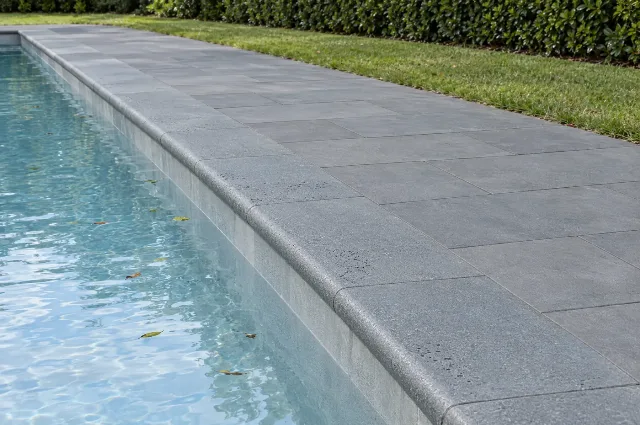
Limestone can still be used safely outdoors, but the finish matters. A smooth limestone surface may become slippery in wet conditions, so pool areas and walkways often need a textured, tumbled, sandblasted or grip-friendly finish. Safety should always guide the final surface choice.
4. Durability in Outdoor Conditions
Travertine performs well in exposed outdoor areas because it handles heat, moisture, regular foot traffic and changing weather conditions confidently when sealed and installed properly. This makes it a reliable choice for high-use outdoor zones.
Limestone is also durable, but it is generally better suited to controlled settings, shaded spaces or areas where the surface will not face constant moisture and harsh exposure. In the wrong environment, limestone may show weathering, staining or surface wear sooner than travertine.
5. Maintenance and Sealing Requirements
Both stones need sealing to protect against moisture, stains and surface wear. Travertine is usually more forgiving outdoors because its natural texture can hide small marks, weathering and everyday use more easily, but a proper travertine care and sealing routine still helps preserve the finish.
Limestone often needs gentler cleaning and closer care, especially around pools, outdoor dining areas, damp gardens or spaces exposed to leaf litter and organic staining. Harsh cleaners should be avoided on both stones. A pH-neutral cleaner, routine sweeping and periodic resealing will help maintain the finish.
6. Cost and Installation Considerations
Travertine and limestone can sit within similar price ranges, but final costs depend on the stone grade, thickness, format, finish and installation requirements. Travertine may cost more in some applications, especially where thicker outdoor pavers or specialist installation are needed.
Limestone can be easier to cut and lay, which may reduce labour costs on some projects. Still, upfront price should not be the only deciding factor. A stone that performs better in the chosen environment often delivers stronger long-term value by reducing repairs, staining issues and replacement risk.
Is Travertine or Limestone Better for Pool Surrounds?
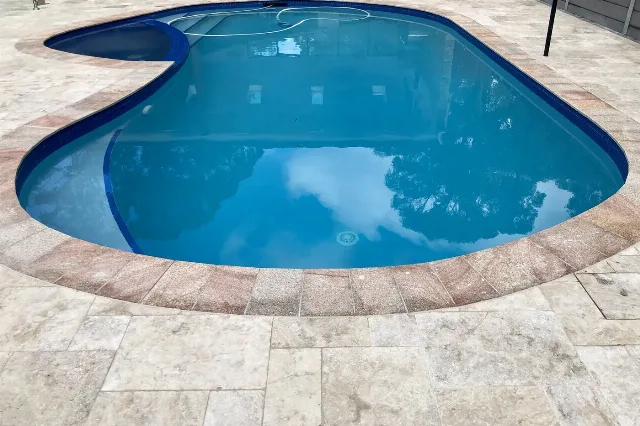
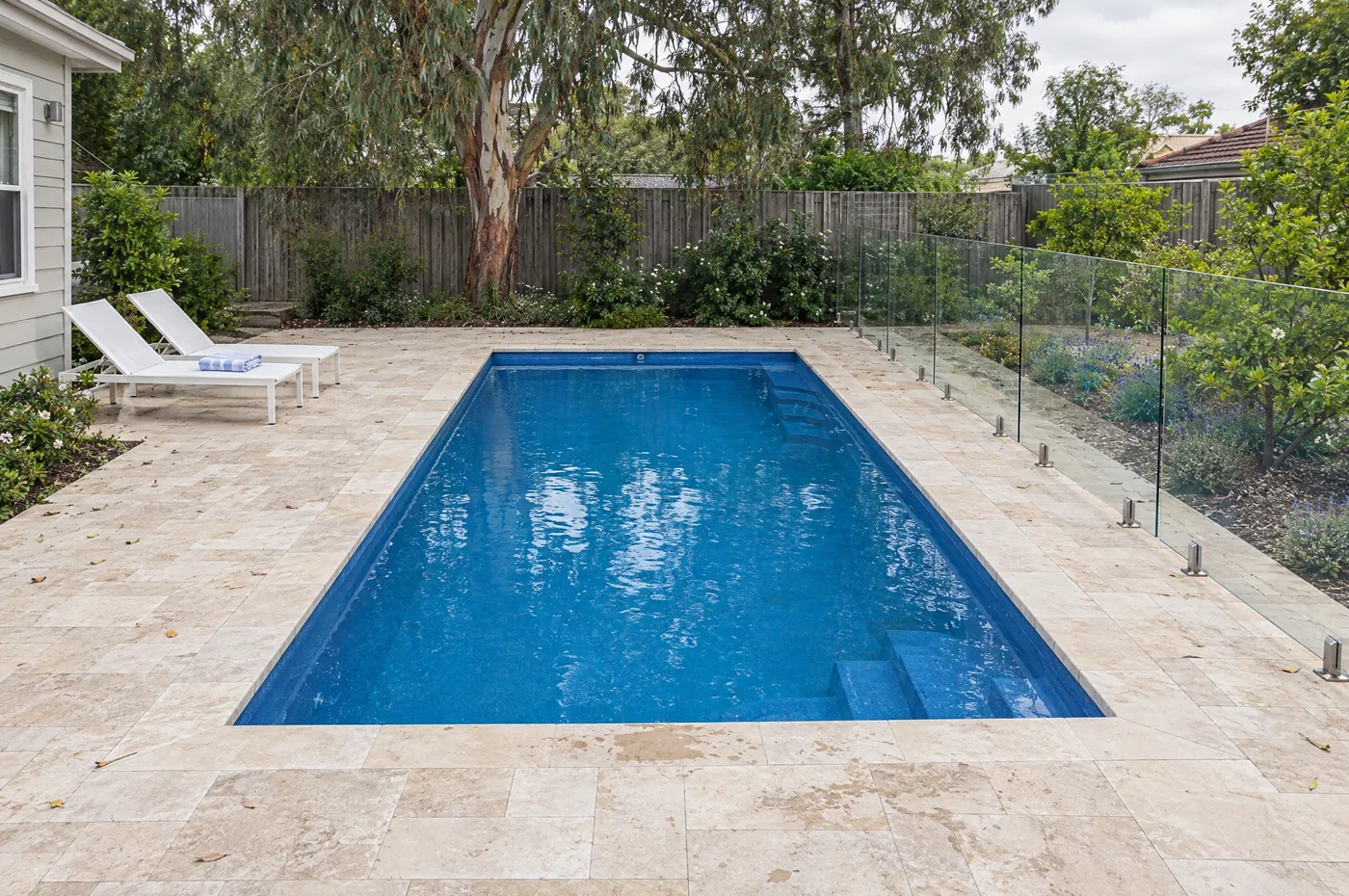
Travertine is usually the better choice for busy, sun-exposed pool surrounds because it stays cooler underfoot and offers stronger natural grip. Around pools, comfort and safety matter as much as appearance. A stone may look beautiful in a sample, but it still needs to handle wet feet, direct sun, splashing, pool chemicals and regular movement.
Limestone can also work beautifully around pools, especially in architectural outdoor spaces where a softer, cleaner and more refined look is preferred. The key is choosing the right surface finish. Smooth limestone may look elegant, but it needs a textured, sandblasted, tumbled or grip-focused finish to perform safely in wet areas.
- Choose travertine for family pools: Its textured surface, cooler feel and outdoor durability make it practical for children, entertaining areas and high-traffic pool surrounds.
- Choose limestone for refined pool designs: Its smooth visual character suits modern pool areas, especially where the design calls for soft tones and a more consistent finish.
- Consider salt and chlorine exposure: Travertine is generally more forgiving when sealed correctly, while limestone needs closer care to reduce staining, etching and surface wear.
- Do not ignore the finish: Pool surrounds should never rely on appearance alone. The surface needs enough grip to stay safe when wet.
For most Australian pool areas, travertine is the more practical everyday performer. Limestone is still a strong option when the pool area is well designed, properly sealed and maintained with care.
Is Travertine or Limestone Better for Garden Paths?
Travertine is usually better for informal, high-traffic or weather-exposed garden paths, while limestone suits structured, formal or lower-traffic paths where a cleaner finish is preferred. The right choice depends on how the path will be used, how much sun or moisture it receives, and the style of the surrounding garden.
For busy walkways, travertine has a practical edge. Its textured surface gives better underfoot grip, especially after rain or near poolside paths. It also blends naturally with greenery, timber, gravel, stone borders and relaxed outdoor planting, which makes it a natural fit for garden pavers and pathways in rustic, Mediterranean, coastal and organic landscape designs.
Limestone works best where the path is part of a more refined garden layout. Its smoother surface and consistent colour help create a calm, ordered look, especially in courtyards, formal gardens and contemporary outdoor spaces. It pairs well with clean garden edging, structured planting and architectural paving layouts.
- Travertine garden paths: Best for natural gardens, poolside walkways, high-use paths and outdoor areas where grip and weather resistance are important.
- Limestone garden paths: Best for formal paths, courtyards, modern landscapes and lower-traffic areas where a softer, more uniform finish is desired.
- High foot traffic: Travertine is generally the safer and more forgiving option because it handles movement, moisture and everyday wear well.
- Design consistency: Limestone is ideal when you want the path to feel clean, subtle and visually connected to walls, paving or architectural features.
For most garden paths that face regular use and changing weather, travertine is the more practical choice. For controlled, design-led spaces, limestone delivers a quieter and more polished result.
Best Applications for Travertine and Limestone
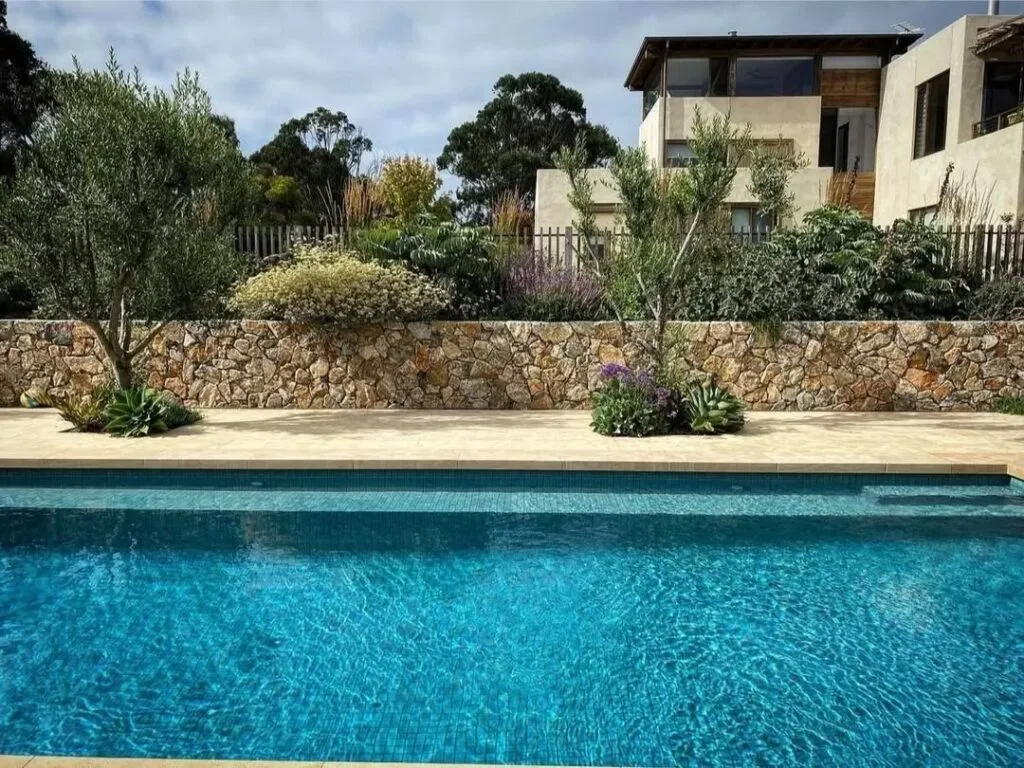
Travertine and limestone can both be used across indoor and outdoor projects, but they shine in different settings. The best result comes from matching the stone’s natural strengths to the way the space will be used every day.
Best Uses for Travertine
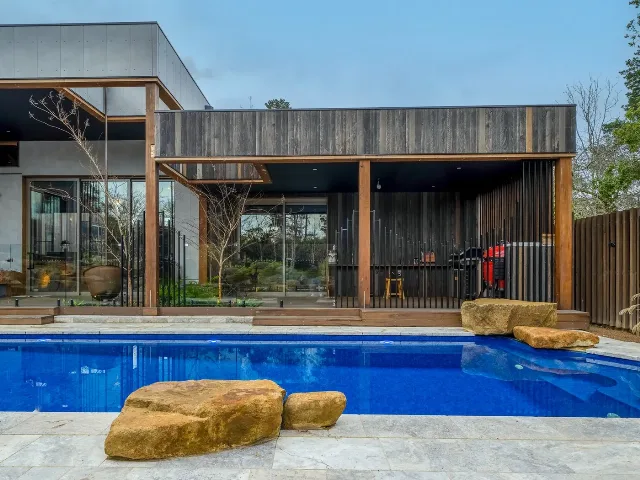
Travertine is best suited to outdoor spaces where comfort, grip and durability matter. Its textured surface, natural warmth and cooler underfoot feel make it especially useful in Australian homes where outdoor living is part of daily life.
It works particularly well for:
- Pool surrounds: Travertine handles wet areas well when sealed correctly and provides a naturally grippy surface for barefoot use.
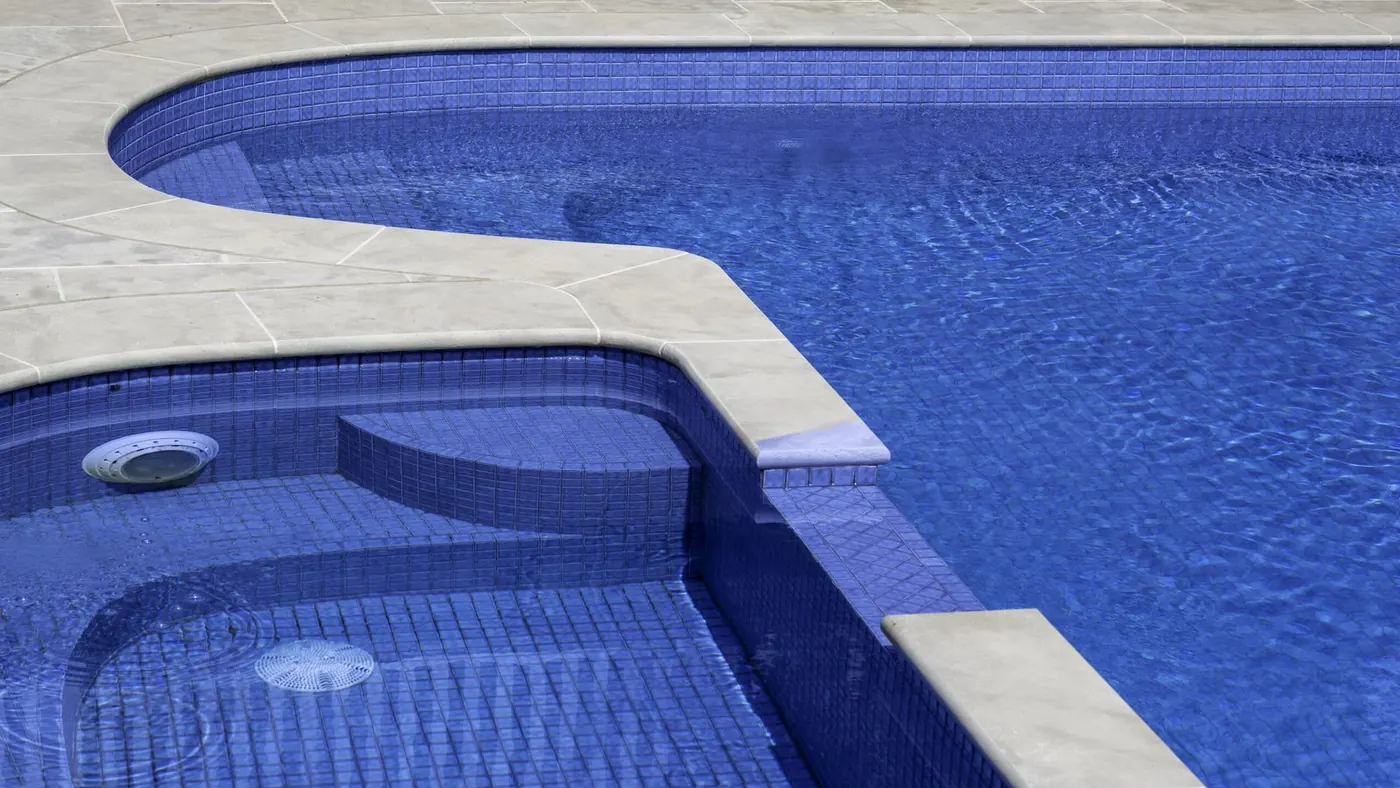
- Pool coping: Its soft tones and textured finish help frame pools with a relaxed, resort-style look, particularly in projects where travertine for pool coping suits the design and performance needs.
- Alfresco areas: Travertine suits outdoor dining and entertaining spaces that need a durable, comfortable surface.
- Patios and courtyards: Its organic variation adds depth and character without feeling too formal.
- Garden paths and walkways: Travertine blends naturally with planting, gravel, timber and stone borders.
Best Uses for Limestone
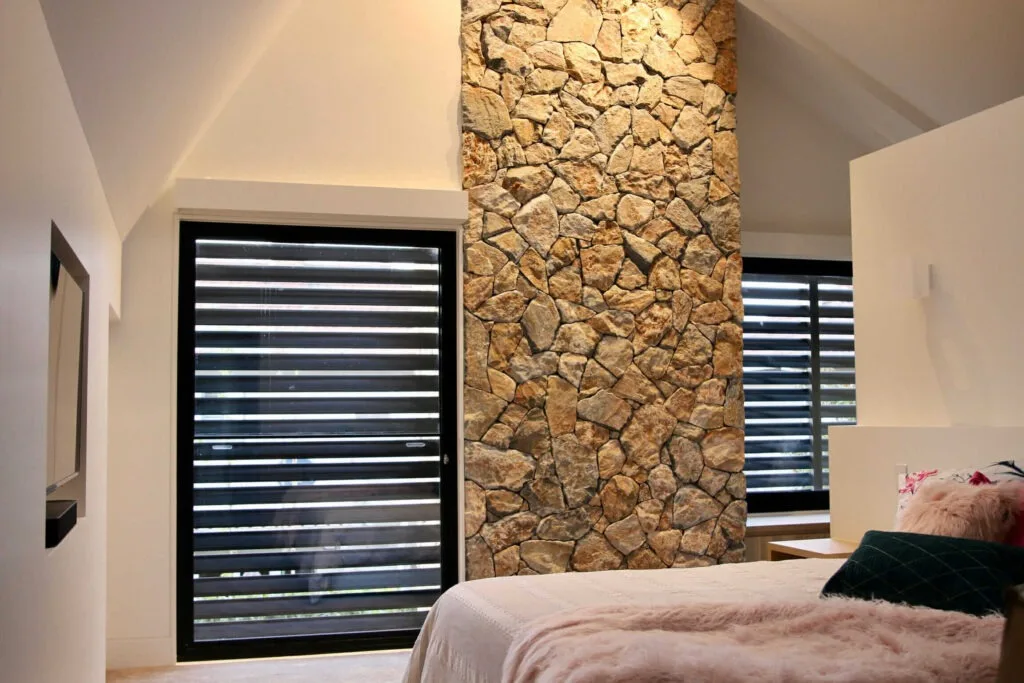
Limestone is ideal when the project calls for a smoother, more refined and architectural finish. Its subtle colour variation and calm surface appearance make it a strong choice for spaces where visual consistency matters.
It works particularly well for:
- Indoor flooring: Limestone creates a soft, elegant foundation for modern, coastal and classic interiors.
- Feature walls: Its refined texture adds natural interest without overwhelming the design.
- Formal garden paths: Limestone suits structured landscapes with clean lines and ordered planting.
- Shaded outdoor paving: It performs well in protected areas with lower heat and moisture exposure.
- Wall cladding and architectural features: Limestone delivers a timeless, understated finish across indoor and outdoor surfaces, especially where limestone walling stone finishes support a softer architectural look.
| Project Type | Better Option | Why |
| Pool surrounds | Travertine | Cooler underfoot with stronger natural grip |
| Garden paths | Depends | Travertine for grip, limestone for formal style |
| Alfresco areas | Travertine | Durable and comfortable for outdoor living |
| Indoor flooring | Limestone | Smooth, refined and visually consistent |
| Feature walls | Limestone | Subtle, elegant and architectural |
| High-traffic paving | Travertine | More forgiving in exposed outdoor conditions |
How to Choose Between Travertine and Limestone
Choosing between travertine and limestone becomes easier when you move beyond colour samples and think about how the stone will actually perform. The right stone should suit the location, handle daily use, match your design style and feel realistic to maintain over time.
1. Start with Where the Stone Will Be Installed
Location should guide the decision before anything else. Pool surrounds, alfresco areas, patios and exposed walkways need a surface that can handle heat, water, movement and outdoor wear. Travertine is often the stronger choice in these spaces because it feels cooler underfoot and has a naturally textured surface.
Limestone works beautifully in more controlled areas. It is well suited to indoor flooring, feature walls, courtyards, formal paths and shaded outdoor areas where its smoother finish can stay protected and visually consistent.
2. Think About Heat, Water and Foot Traffic
Australian outdoor areas can place a lot of pressure on natural stone. Direct sun, pool splash, rain, garden moisture and frequent foot traffic all affect how the surface looks and feels over time.
Travertine is a smart choice when the area will be used heavily or exposed to wet conditions. Limestone can still perform well, but it needs the right finish, sealing and drainage planning to avoid staining, slipperiness or uneven weathering.
3. Match the Stone to Your Design Style
Travertine suits spaces that need warmth, texture and natural movement. It works well with rustic gardens, Mediterranean-style homes, relaxed outdoor entertaining areas and pool zones where a resort-style feel is desired.
Limestone is better suited to cleaner, softer and more architectural designs. Its smoother surface and subtle tones make it ideal for modern homes, coastal interiors, formal gardens and projects where the finish should feel calm and refined.
4. Be Honest About Maintenance
Both stones need sealing, but their maintenance expectations are different. Travertine is generally more forgiving outdoors because its texture helps hide small marks and natural weathering.
Limestone needs gentler care, especially around pools, outdoor dining areas, shaded gardens and spaces exposed to organic staining. If you prefer a lower-maintenance outdoor surface, travertine is often the easier option.
5. Consider Long-Term Value, Not Just Upfront Cost
The cheaper stone is not always the better investment. A material that looks affordable at the start may cost more later if it stains, becomes slippery, weathers quickly or needs early replacement.
Choose travertine when outdoor performance, grip and heat comfort matter most. Choose limestone when visual refinement, smooth texture and design consistency are the bigger priorities.
Common Mistakes to Avoid When Choosing Travertine or Limestone
Even high-quality natural stone can disappoint if it is chosen for the wrong space. Travertine and limestone both perform well when matched correctly, but problems often start when appearance becomes the only deciding factor.
- Choosing based on colour alone: A stone may look perfect in a sample, but still be wrong for the area. Heat exposure, water, foot traffic, shade, drainage and cleaning habits all affect how travertine or limestone performs once installed.
- Using smooth finishes in wet areas: Pool surrounds, outdoor steps and garden paths need enough surface grip to stay safe. A highly smooth limestone or polished finish can become slippery when wet, so the surface finish must suit the location.
- Ignoring sealing requirements: Both travertine and limestone need proper sealing to protect against moisture, stains and surface wear. This matters even more around pools, outdoor dining areas, shaded gardens and spaces exposed to leaf litter or spills.
- Forgetting about drainage: Poor drainage can leave water sitting on the surface or beneath the stone. Over time, this can lead to staining, algae growth, movement, discolouration and faster surface deterioration.
- Choosing the wrong stone for the climate: Travertine usually handles exposed outdoor areas well, while limestone often performs better in controlled or shaded spaces. Local heat, rain, coastal air and moisture levels should all influence the final decision.
- Overlooking installation quality: Natural stone needs correct base preparation, bedding, spacing, sealing and laying technique, especially on outdoor surfaces where a reliable stone paver installation guide can help prevent early movement. A poor installation can cause cracking, lifting, uneven surfaces and costly repairs, even when the stone itself is suitable.
Travertine vs Limestone: Which One Should You Choose?
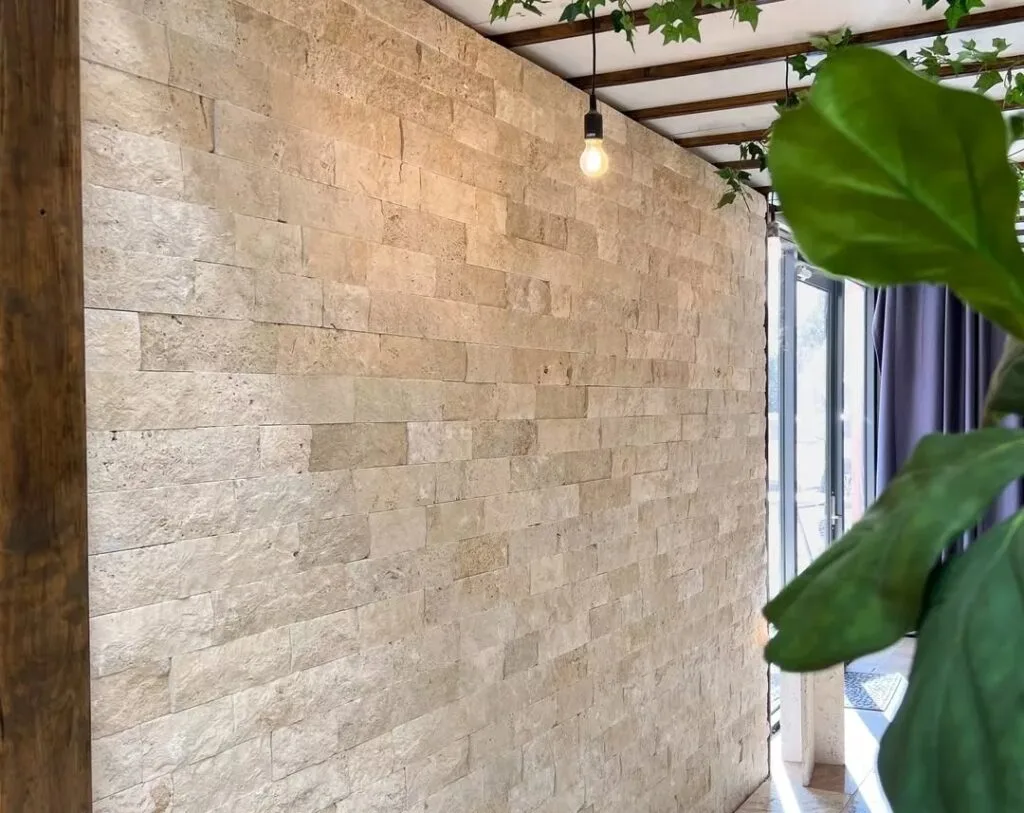
Choose travertine if your project needs a natural stone that can handle exposed outdoor conditions, regular foot traffic and wet areas with confidence. It is usually the stronger option for pool surrounds, alfresco areas, patios, garden paths and outdoor entertaining spaces where grip, heat comfort and long-term durability matter.
Travertine also suits homes that need a warmer, more organic look. Its textured surface, natural pores and tonal movement create a relaxed finish that feels connected to outdoor living. For Australian projects where people often walk barefoot around pools, patios and garden paths, travertine is a practical and visually appealing choice.
Choose limestone if you prefer a smoother, softer and more refined natural stone finish. It works beautifully for indoor flooring, feature walls, formal garden paths, courtyards, shaded outdoor paving and architectural spaces where visual consistency is important.
Limestone is especially useful when the design calls for calm neutral tones, clean lines and subtle natural variation. It can still be used outdoors, including around pools, but the right finish, sealing and maintenance routine become more important.
Neither stone is automatically better for every project. Travertine is usually the better outdoor performer, while limestone is often the stronger design-led choice for refined and controlled spaces. The right decision depends on where the stone will be installed, how the surface will be used, and how much upkeep you are prepared to manage.
Why Choose Splendour in Stone for Travertine and Limestone?
Choosing between travertine and limestone is easier when you have the right guidance from the beginning. At Splendour in Stone, we help homeowners, designers, builders and landscapers select natural stone that suits the project, not just the showroom sample.
Our travertine and limestone ranges are selected with Australian homes, outdoor living areas and architectural finishes in mind. Whether you are planning a pool surround, garden path, alfresco area, feature wall or indoor flooring project, we can help you compare colour, texture, finish, thickness and long-term suitability before you commit.
The right stone choice should balance beauty, safety, durability and maintenance. Travertine may be the stronger option for exposed outdoor spaces, while limestone may better suit refined interiors or structured landscape designs. Our team can guide you through those differences clearly, so your final selection feels practical as well as visually considered.
With premium natural stone options and project-focused advice, Splendour in Stone makes it easier to choose a material that performs well, complements your design and adds lasting value to your space.
Making the Right Stone Choice for Your Project
Travertine and limestone both bring natural beauty, durability and long-term value to the right project. The better choice depends on where the stone will be installed, how much exposure it will face, and how you want the finished space to feel.
Travertine is usually stronger for exposed outdoor areas, pool surrounds, garden paths and high-traffic paving. Limestone is better suited to refined interiors, formal landscapes, shaded outdoor spaces and architectural features where a smoother finish is preferred.
For the best result, choose the stone that matches your lifestyle as well as your design vision. Speak with Splendour in Stone for tailored guidance and premium travertine or limestone options suited to Australian conditions.
FAQs About Travertine vs Limestone
Is travertine better than limestone for outdoor paving?
Travertine is usually better for exposed outdoor paving because it offers strong natural grip, good heat comfort and reliable durability in high-use areas. It is especially practical for patios, alfresco areas, pool surrounds and garden paths. Limestone can still work outdoors, but it is often better suited to shaded, formal or more controlled spaces.
Is limestone suitable for pool surrounds?
Yes, limestone can be suitable for pool surrounds when the right finish, sealing and maintenance routine are used. A smooth limestone finish may become slippery when wet, so textured, tumbled or sandblasted finishes are usually better around pools. Limestone is best for pool areas where visual refinement and softer tones are a priority.
Does travertine stay cooler than limestone?
Travertine often stays cooler underfoot than limestone, especially in sunny outdoor areas. Its natural porosity helps reduce surface heat, making it comfortable for barefoot use around pools, patios and walkways. Limestone can also feel comfortable in lighter colours, but heat retention depends on the specific stone, finish and sun exposure.
Which stone is easier to maintain?
Travertine is generally more forgiving outdoors because its texture can hide minor marks, weathering and everyday wear. Limestone needs gentler care, especially around moisture, pool chemicals, leaf litter and outdoor dining areas. Both stones should be sealed properly and cleaned with pH-neutral products to protect their natural surface.
Which stone is better for garden paths?
Travertine is often better for busy, informal or weather-exposed garden paths because it provides better grip and blends naturally with landscaping. Limestone suits formal garden paths, courtyards and structured outdoor spaces where a smoother, more consistent look is preferred. The best choice depends on traffic, moisture, style and maintenance expectations.
Do travertine and limestone both need sealing?
Yes, both travertine and limestone need sealing to protect against stains, moisture absorption and surface wear. Sealing is especially important around pools, patios, garden paths and outdoor dining areas. Travertine is usually more forgiving once sealed, while limestone benefits from more consistent care to maintain its refined finish.