
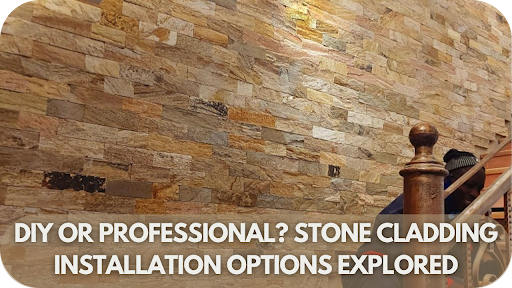
Stone cladding can transform a plain wall, fireplace, facade or outdoor area. It adds texture, depth and a natural finish that many flat surfaces cannot match.
But installation is not always simple. The right approach depends on the wall condition, stone weight, project location, fixing method, cutting needs and safety risks.
This guide explains when DIY stone cladding may be suitable, when professional installation is the better choice and what to check before starting.
Can You Install Stone Cladding Yourself?
You may be able to install stone cladding yourself on a small, low-height, internal decorative wall if the surface is stable, dry and suitable for the fixing system. You should hire a professional for exterior walls, fireplaces, high walls, wet areas, facades, heavy stone cladding, uneven substrates and any project that requires cutting, grinding, waterproofing or structural assessment.
- DIY may suit: Small internal feature walls, low decorative areas and simple panels on suitable surfaces.
- Skilled DIY only: Medium-sized internal walls with minimal cutting and a sound substrate.
- Hire a pro: Fireplaces, exterior cladding, facades, wet areas, high walls and heavy stone profiles.
- Do not guess: If the wall carries risk, moisture, heat, height or movement, get expert advice.
DIY can reduce labour cost on small decorative projects. Professional installation usually offers better performance, safer fixing and fewer long-term issues.
DIY vs Professional Stone Cladding: Fast Comparison
| Installation Option | Best For | Main Benefits | Main Risks | Recommendation |
| DIY installation | Small internal decorative walls | Lower labour cost and more control over timing | Poor adhesion, uneven finish or wrong surface preparation | Suitable only for simple, low-risk projects |
| Skilled DIY installation | Medium internal feature walls | May work for capable renovators with the right tools | Mistakes can be hard to correct once stone is fixed | Use caution and get product advice first |
| Professional installer | Fireplaces, facades, exterior walls and larger features | Better preparation, fixing, safety and finish quality | Higher upfront cost | Best for most visible or complex projects |
| Stonemason | Detailed stonework, irregular profiles and high-end finishes | Strong craftsmanship and precise detailing | Requires budget planning | Best when finish quality matters |
| Builder-led installation | Structural, facade, wet area or compliance-sensitive work | Can coordinate substrates, structure and trades | More planning required | Best for high-risk or building-connected work |
What Makes Stone Cladding Installation Difficult?
Stone cladding is not only about placing stone on a wall. A good result depends on the surface behind the stone, the fixing system, the weight of the material and the conditions around the wall.
Natural stone can vary in thickness, texture, tone and weight. This is part of its appeal, but it also makes installation less forgiving than many lightweight wall finishes.
The main challenges include:
- Stone weight: Natural stone can be heavy and may need proper wall support.
- Wall condition: The substrate must be sound, clean, stable and suitable for fixing.
- Moisture exposure: Exterior walls, balconies and wet areas need more detailed planning.
- Height: High walls increase safety risks and make poor fixing more serious.
- Heat exposure: Fireplaces need suitable materials, clearances and installation methods.
- Cutting and fitting: Natural stone often needs careful cuts around edges, corners and openings.
- Movement: Walls, floors and exterior surfaces can expand, contract or shift over time.
- Weather exposure: External cladding must handle rain, heat, drainage and temperature changes.
- Finish quality: Uneven joints, poor layout and awkward edges are difficult to hide.
A small internal wall is very different from a fireplace, facade or exterior entertaining area. The higher the risk, the more important professional installation becomes. For broader planning, stone cladding should be chosen around the wall type, exposure and desired finish, not just the colour.
When DIY Stone Cladding May Be Suitable
Small Internal Feature Walls
A small internal feature wall may be suitable for capable DIYers if the wall is stable, dry and not exposed to heat or moisture. This may include a low decorative wall in a living room, hallway or bedroom.
Before considering DIY, check that:
- The wall is low-risk and not structural.
- The area is not exposed to water.
- The cladding is not above head height.
- The stone profile is manageable.
- The layout needs little or no cutting.
- The fixing system is suitable for the substrate.
If the wall is cracked, painted, damp, uneven or weak, do not treat it as a simple DIY project. The surface behind the stone matters as much as the stone itself.
A small stone feature wall can make an interior feel more textured and complete, but only when the stone weight, wall condition and fixing method suit the project.
Low Decorative Walls
Low decorative walls in internal or protected spaces may also suit skilled DIYers. These projects are usually easier because they are smaller, more accessible and less exposed.
Even so, the wall must be properly prepared. A poor substrate can lead to loose stone, uneven placement or early failure.
Keep the design simple. Avoid complex corners, high sections, heavy profiles and areas where mistakes would be obvious.
Simple Panel-Style Cladding
Panel-style cladding can be easier to work with than irregular loose stone because the pieces are often more consistent. This can help with layout, alignment and speed.
Still, panel-style products are not automatically beginner-friendly. You still need to check:
- Weight
- Adhesive or fixing requirements
- Substrate suitability
- Manufacturer guidance
- Edge finishing
- Corner details
- Sealing requirements
If the wall is external, tall, wet, heat-exposed or difficult to access, professional help is still the safer option.
When You Should Hire a Professional Installer
Exterior Stone Cladding
Exterior stone cladding is usually better left to professionals. Outdoor walls are exposed to rain, heat, wind, moisture movement and changing temperatures.
The installation must manage water, fixing strength, wall preparation and long-term exposure. If water gets behind the cladding or the fixing system is wrong, repairs can become expensive.
A professional can assess the wall, prepare the surface correctly and use an installation method suited to the stone and conditions. For outdoor walls, durable wall cladding depends on the full system behind the visible stone.
Stone Cladded Fireplaces
Fireplace cladding should not be treated as a casual DIY project. Heat exposure, substrate preparation, fixing, clearances and product suitability all matter.
A stone fireplace also becomes a permanent focal point in the room. Uneven stone, poor corners or weak fixing will be hard to hide.
Professional installation is usually the best option for stone cladded fireplaces, especially when using natural stone around a working fireplace. A good stone fireplace design should consider heat setting, wall condition, fixing method, hearth, surrounding flooring and long-term cleaning.
High or Tall Feature Walls
High walls create added safety risks. If the fixing fails, falling stone can be dangerous.
Tall internal feature walls also need careful layout. Small mistakes can become more visible as the wall rises. Keeping joints, levels and stone tones balanced is harder across a large area.
If the cladding goes above head height, hire a professional.
Heavy Natural Stone Profiles
Heavier cladding needs the right wall preparation, fixing method and support. Not every wall is suitable for every type of stone.
A professional installer or stonemason can confirm whether the wall can handle the load and whether additional support is needed.
This is especially important for full-bodied natural stone profiles, thicker pieces and uneven stone formats.
Wet Areas and Outdoor Entertaining Zones
Wet areas, balconies and exposed alfresco spaces need proper moisture control. Waterproofing errors can lead to long-term damage behind the stone.
Outdoor entertaining walls may also be exposed to weather, cooking areas, moisture and temperature changes. These conditions make fixing and sealing more important.
Use qualified trades for wet areas, balconies and water-exposed cladding. Good stone maintenance also matters after installation, especially where the surface is exposed to moisture, food, drinks, weather or garden debris.
Facades and Entry Walls
Facades and front entry walls are highly visible. They also face direct weather exposure.
A professional finish is usually worth the investment in these areas. The cladding needs to look balanced, handle the conditions and stay secure over time.
A poor facade installation can affect street appeal and may be costly to repair. A well-planned stone entry or exterior stone wall can make the front of a home feel more grounded and architecturally resolved.
Projects That Need Cutting or Grinding
Stone cutting, grinding and drilling can create hazardous dust. This is not a task to approach casually.
This article does not provide stone cutting instructions. If the project requires cutting, grinding or drilling, speak with a qualified professional who uses proper dust control, equipment and safety systems.
DIY Stone Cladding Checklist Before You Start
Use this checklist before deciding whether to install stone cladding yourself.
- Check the wall condition. The wall must be sound, clean, stable and suitable.
- Confirm the cladding weight. Heavy stone may need extra support.
- Check the location. Internal, external, wet, dry and heat-exposed areas all have different needs.
- Assess height and safety. Avoid high walls as a DIY project.
- Avoid complex cuts. Cutting stone increases difficulty and safety risk.
- Confirm the fixing system. Adhesive, mortar or mechanical fixing must match the stone and wall.
- Plan edges and corners. Poor finishing can make the project look unfinished.
- Check sealing requirements. Some stone types need sealing after installation.
- Allow for waste. Natural stone projects need extra material.
- Get professional advice if unsure. Do this before ordering stone.
If several of these points raise concerns, professional installation is the better choice.
DIY vs Professional Installation by Project Type
| Stone Cladding Project | DIY Suitability | Why | Best Option |
| Small internal feature wall | Moderate | Lower risk if wall is dry and sound | Skilled DIY or professional |
| Low decorative wall | Moderate | Easier to access and less risky | Skilled DIY possible |
| Bedroom or living room accent wall | Moderate | Depends on size, height and cutting needs | Skilled DIY for simple walls |
| Fireplace cladding | Low | Heat, fixing and clearances matter | Professional |
| Outdoor kitchen wall | Low | Moisture, heat and weather may apply | Professional |
| Garden wall face | Low to moderate | Depends on exposure and wall condition | Professional for most fixed cladding |
| Home facade | Low | Highly visible and weather-exposed | Professional |
| Entry wall | Low | Visible, exposed and often detail-heavy | Professional |
| Boundary wall | Low | May involve structure, exposure or compliance | Professional advice |
| Wet area wall | Very low | Waterproofing risk is high | Qualified trades |
| High internal wall | Low | Safety and fixing risks increase with height | Professional |
| Commercial wall | Very low | Higher compliance, safety and finish demands | Professional |
Cost Comparison: DIY vs Professional Stone Cladding
DIY installation may look cheaper at first because it can reduce labour cost. But mistakes can increase the total cost if stone needs to be removed, replaced or reinstalled.
| Cost Factor | DIY Installation | Professional Installation |
| Labour cost | Lower upfront | Higher upfront |
| Tools | May need hiring or buying | Usually supplied by installer |
| Wall preparation | Easy to underestimate | Assessed and prepared properly |
| Cutting and fitting | Higher safety and finish risk | Managed with suitable equipment |
| Adhesive or fixing system | Risk of choosing the wrong system | Matched to stone and substrate |
| Safety controls | Often limited | Better managed |
| Finish quality | Depends on skill | More consistent |
| Mistake risk | Higher on complex projects | Lower when the right trade is used |
| Long-term performance | Depends on preparation and fixing | Usually stronger |
| Best suited to | Small internal decorative areas | Exterior, fireplace, facade, tall or visible projects |
DIY may be cheaper for a small, low-risk wall. Professional installation may offer better value when the project is visible, exterior, heavy, heat-exposed or difficult to correct.
Common DIY Stone Cladding Mistakes
- Installing on a weak or unsuitable wall: The surface must be stable before stone is fixed.
- Underestimating stone weight: Natural stone can be heavier than expected.
- Using the wrong adhesive or fixing method: The fixing system must suit the stone and wall.
- Ignoring moisture behind the wall: Moisture can affect adhesion and long-term performance.
- Cladding over paint or unstable surfaces: Painted or loose surfaces may not hold properly.
- Poor corner and edge planning: Unfinished edges can make the project look incomplete.
- Starting without a layout plan: Tone variation and joint placement need planning.
- Mixing stone tones unevenly: Natural variation should be blended before fixing.
- Not allowing for waste: Extra material is needed for cuts, selection and breakage.
- Cutting stone without proper safety controls: Dust from stone cutting can be hazardous.
- Installing fireplace cladding without advice: Heat-affected areas need careful planning.
- Assuming exterior walls are the same as interior walls: Outdoor cladding faces more exposure and movement.
Most cladding problems begin before the first stone is fixed. Good preparation is essential. Many issues also come from broader natural stone selection mistakes, such as choosing by appearance alone or ignoring the project location.
Questions to Ask Before Choosing DIY or Professional Installation
Use these questions as a decision filter.
- Is the cladding internal or external?
- Is the wall exposed to heat?
- Is the wall exposed to water or weather?
- How high is the installation area?
- How heavy is the stone?
- Does the wall need preparation?
- Will the project need cutting?
- Are corners, returns or edges involved?
- Is the finish highly visible?
- Would failure create safety or repair issues?
If the answer points to heat, height, water, weather, heavy stone or visible detail, professional installation is usually the safer choice.
Stone Cladding for Fireplaces: DIY or Professional?
Fireplace cladding is usually best handled by a professional. The installation must account for heat, substrate, clearances, fixing and finish quality.
A fireplace is often one of the most visible features in a home. It needs to look balanced and feel properly integrated with the room.
Professional installation is recommended because:
- The stone must suit the heat-exposed area.
- The wall surface must be prepared correctly.
- Fixing must be secure.
- Edge details need to be neat.
- The result becomes a permanent focal point.
- Mistakes are difficult to hide.
For fireplace upgrades, natural stone cladding should be chosen around the fireplace type, room scale, wall condition and desired finish. Softer natural textures can suit relaxed interiors, while stronger profiles work better when the fireplace is intended to be a feature.
Exterior Stone Cladding: Why Professional Installation Often Matters
Exterior stone cladding is more demanding than internal cladding. It must handle weather, water movement, temperature changes and long-term exposure.
Outdoor walls also include more detail. Openings, edges, corners, drainage points and junctions with other materials need careful planning.
Professional installation often matters because exterior cladding must consider:
- Weather exposure
- Water movement
- Wall preparation
- Expansion and contraction
- Fixing security
- Drainage
- Edges and openings
- Compliance considerations
- Long-term durability
Exterior stone cladding is usually not the best place for a first DIY project. It is better suited to trained installers who understand the material, wall system and exposure conditions.
How to Choose the Right Stone Cladding Product
The right product can make a major difference to installation, appearance and long-term performance. Stone should be chosen for the wall, not just the colour.
Before choosing a product, consider where it will be installed, how exposed it will be and what level of finish is required.
When comparing stone wall cladding options:
- Match the stone to the location.
- Consider weight and profile.
- Choose a finish that suits the design.
- Ask about internal vs external suitability.
- Ask whether corners are available.
- Check whether sealing is required.
- Order samples before committing.
- Ask whether the project suits DIY or professional installation.
Bluestone, granite, limestone, travertine, sandstone and other natural stone cladding options can all create different results. Some suit refined feature walls. Others suit facades, garden walls, fireplaces or outdoor areas.
The best choice is the product that suits the wall, the conditions and the installation method. For larger design decisions, walling styles can help clarify whether the surface should feel refined, rustic, textured, formal or understated.
Choosing Stone Cladding With Splendour In Stone
Choosing between DIY and professional stone cladding starts with the wall, the stone and the project conditions.
Splendour In Stone can help you compare natural stone cladding options for feature walls, facades, fireplaces, garden walls and outdoor spaces. This includes guidance on stone wall cladding, natural stone cladding, fireplace cladding and exterior feature wall applications.
The team can also help you think through key project questions before you commit. These include stone weight, finish, tone, suitability, samples and whether the project is better suited to DIY or professional installation.
If you are planning a stone feature wall, facade, fireplace or outdoor cladding project, Splendour In Stone can help you choose a natural stone product that suits the look, location and project conditions.
FAQs About DIY vs Professional Stone Cladding
1. Can I install stone cladding myself?
You may be able to install stone cladding yourself on a small internal decorative wall. Exterior walls, fireplaces, high walls, wet areas and heavy stone profiles usually need a professional.
2. Is stone cladding hard to install?
Stone cladding can be difficult because the wall must be prepared correctly, the stone can be heavy and the finish depends on accurate layout, fixing and edge detailing.
3. Can I DIY stone cladding around a fireplace?
Fireplace stone cladding is usually best left to a professional. Heat exposure, substrate preparation, fixing and clearances need to be handled correctly.
4. Can stone cladding be installed outdoors?
Yes. Exterior stone cladding can be installed outdoors, but it needs suitable stone, wall preparation, fixing, drainage and weather detailing. Professional installation is usually recommended.
5. What is the biggest risk with DIY stone cladding?
The biggest risks are poor adhesion, wall failure, water issues, uneven finish, unsafe cutting and using the wrong fixing method.
6. Does stone cladding need sealing?
Many natural stone cladding products benefit from sealing, especially in outdoor, wet or high-use areas. Requirements depend on the stone type and location.
7. When should I hire a stonemason?
Hire a stonemason for fireplaces, facades, high walls, heavy natural stone, detailed cuts, corners, returns and projects where finish quality matters.
8. Is professional stone cladding worth it?
Professional installation is often worth it for visible, exterior, heat-exposed or high-risk projects because mistakes can be expensive and difficult to repair.

