Marble vs Limestone for Outdoor Paving: Which Stone Is Best in Australia?

Choosing marble or limestone for outdoor spaces can be tricky. Both look premium. Both promise impact. Yet outdoors is where stone gets tested the hardest.
Here’s the catch. More than 70% of outdoor stone failures are linked to heat exposure, moisture, and poor material choice. Think slippery surfaces, fading, etching, and costly fixes. No one wants that.
This guide breaks down marble vs limestone for outdoor projects. Performance, safety, maintenance, and style in real Australian conditions. So you can choose with confidence and build something that lasts.
In this guide
- Marble vs Limestone for Outdoor Projects
- What Is Marble?
- What Is Limestone?
- Marble vs Limestone: Quick Comparison
- Marble vs Limestone: Key Differences
- Outdoor Applications: Where Each Stone Works Best
- Best Outdoor Uses for Marble
- Best Outdoor Uses for Limestone
- Why Limestone Performs Well in Australian Outdoor Conditions
- Maintenance and Long-Term Care Outdoors
- Final Thoughts
- Frequently Asked Questions
Marble vs Limestone for Outdoor Projects
Marble and limestone are both natural stones used for outdoor paving, but limestone generally performs better in fully exposed environments. Limestone stays cooler underfoot, offers better natural slip resistance, and requires less maintenance over time. Marble provides a more dramatic visual appearance and suits sheltered outdoor spaces where weather exposure and moisture are limited.
What Is Marble?
Marble is a natural metamorphic stone formed when limestone is subjected to intense heat and pressure over millions of years. This process creates a dense, refined stone known for its smooth surface and distinctive veining.
Each slab of marble is unique, with flowing patterns that range from soft and subtle to bold and dramatic, making it a symbol of luxury and timeless design.
Traditionally, marble has been used in interiors such as flooring, benchtops, staircases, and feature walls. Outdoors, it can be used successfully in selected applications when the right finish, thickness, and sealing are applied.
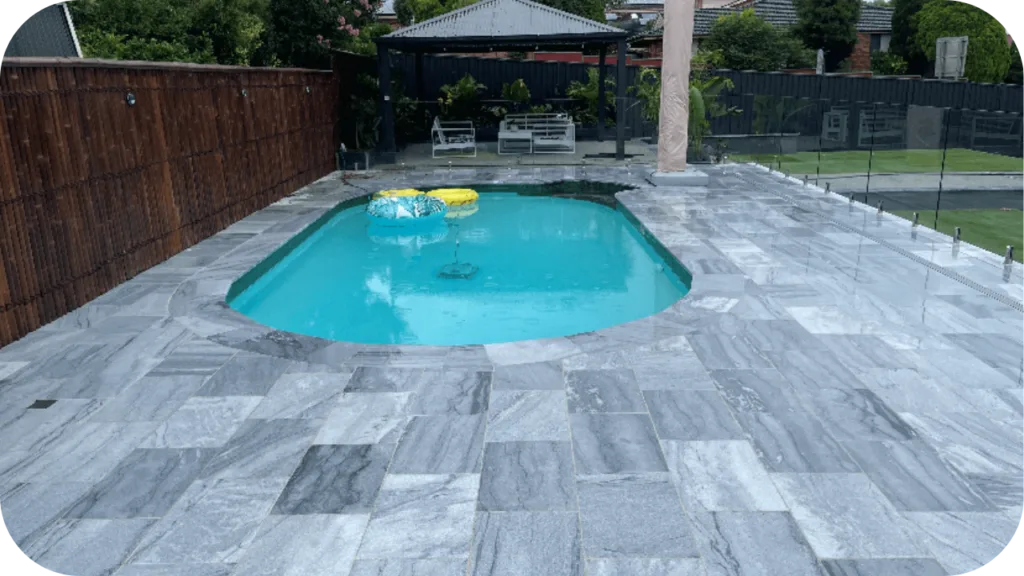
Marble reflects light beautifully and brings a sophisticated, high-end feel to outdoor spaces like sheltered courtyards, pool deck surrounds and feature areas.
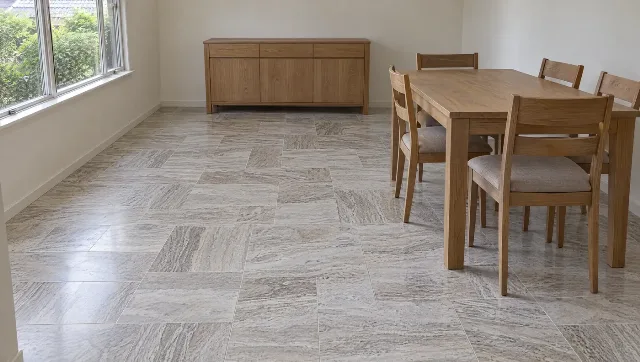
Common marble varieties include Torro marble, Serra marble and Maya Blue marble. Colour options include whites, greys, creams, and darker tones with natural veining throughout. While marble requires careful installation and ongoing care outdoors, when chosen thoughtfully, it delivers striking visual impact and enduring appeal.
What Is Limestone?
Limestone is a natural sedimentary stone formed over millions of years from compacted marine shells, coral, and mineral deposits. This gradual formation creates a stone with a fine, consistent structure and a softer, more uniform appearance than more heavily veined stones.
Limestone pavers are widely used in outdoor projects due to their balance of strength, comfort, and understated visual appeal.
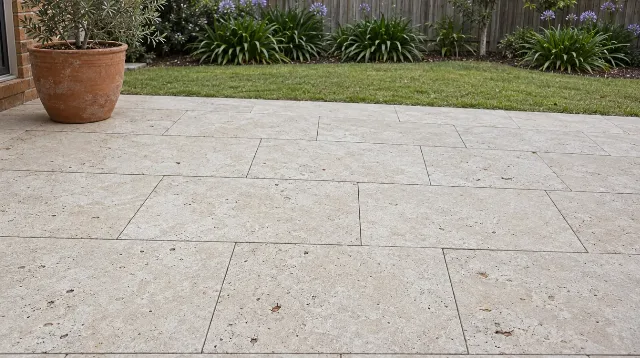
In outdoor settings, limestone performs well when correctly installed and sealed. Its naturally lighter tones help reduce heat absorption, making it comfortable underfoot during warmer Australian months.
Limestone examples include Loch Limestone, Brooklyn Limestone, Berkshire Limestone, Sienna Limestone and Selene Limestone. Common colour ranges include soft whites, creams, sandy beiges, and pale greys, which suit modern, coastal, and classic landscapes.
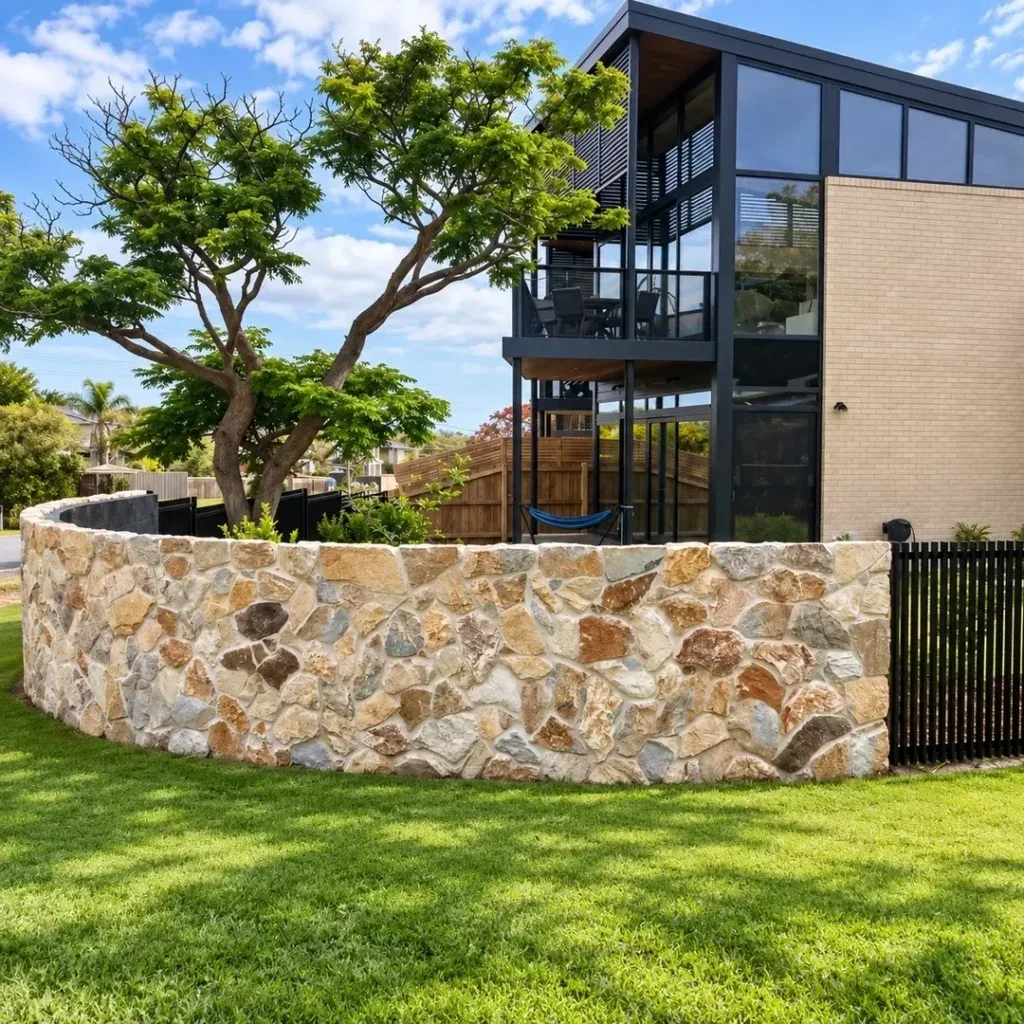
Limestone is often used for paving, pool surrounds, pathways, and walling. With the right surface finish and ongoing maintenance, it offers reliable durability, good grip, and a clean, refined look that complements a wide range of outdoor designs.
Marble vs Limestone: Quick Comparison
| Feature | Marble | Limestone |
| Stone type | Metamorphic stone formed from limestone | Sedimentary stone formed from marine minerals |
| Outdoor durability | Moderate in exposed conditions | Strong reliability outdoors when sealed |
| Slip resistance | Can be slippery without treatment | Naturally better grip with textured finishes |
| Heat retention | Absorbs and holds heat | Reflects heat and stays cooler |
| Maintenance | Requires more sealing and care | Lower ongoing maintenance |
| Visual style | Dramatic veining and luxury appearance | Subtle tones that blend with landscapes |
| Best outdoor use | Sheltered courtyards and decorative areas | Pool surrounds, patios, walkways, driveways |
Marble vs Limestone: Key Differences
Choosing between marble and limestone outdoors comes down to how each stone handles exposure, safety, and long-term performance under Australian conditions. Here’s how they truly differ.
1. Durability and Outdoor Performance
Marble is a dense, refined stone, but it can be sensitive to moisture and environmental exposure, leading to etching or surface wear if not protected.
Limestone, though slightly softer, typically withstands outdoor conditions more reliably when sealed, making limestone durability a strong advantage for paving and exposed zones where longevity matters most for everyday use.
2. Natural Grip Texture and Safety
Marble’s smoother surface can become slippery when wet unless treated with anti-slip finishes, which adds to installation effort.
Limestone naturally holds better traction, especially in brushed or tumbled finishes, making it a safer option for pool surrounds, patios, and high-foot-traffic areas where natural grip is important.
3. Appearance and Visual Impact
Marble pavers offer dramatic veining and a polished aesthetic that delivers high-end appeal. Limestone presents softer, consistent hues and subtle texture that blend seamlessly with landscape and outdoor design.
Choosing between bold character and understated elegance often comes down to the overall style you want to achieve in your outdoor space.
4. Heat and Climate Suitability
Marble can absorb and retain heat, which may make it uncomfortable underfoot in direct sun or hot weather.
Limestone reflects heat more effectively, staying cooler in warm conditions and making it a more comfortable choice for outdoor areas used year-round in Australian climates.
5. Maintenance and Long-Term Care
Marble outdoors demands careful maintenance, including frequent sealing and gentle cleaning to protect against staining and etching.
Limestone requires routine cleaning and periodic sealing since it’s more forgiving, which often results in lower ongoing maintenance overall.
6. Cost Comparison
Marble often carries a higher upfront material cost due to its premium look and quarrying process. Installation and long-term care can add to the total cost, especially with specialised sealing and finishes.
Limestone generally offers better value for outdoor projects, balancing material price with practical performance and lower maintenance requirements over time.
7. Installation Considerations
Both stones require professional installation, but marble may need additional surface preparation, specific bedding materials, and anti-slip treatments for outdoor safety.
Limestone installation focuses on correct base preparation, joint spacing, and sealing to maximise performance. Proper drainage, substrate preparation, and correct stone paver installation are essential for both stones to ensure longevity.
Outdoor Applications: Where Each Stone Works Best
When choosing stone for outdoor spaces, matching the material to its environment is essential.
Marble works best in sheltered or low-traffic outdoor areas where visual impact is the priority. Courtyards, covered alfresco zones, and decorative feature areas allow marble’s veining and refined finish to shine without heavy exposure to sun, moisture, or wear. In these settings, it adds a strong sense of luxury and architectural interest.
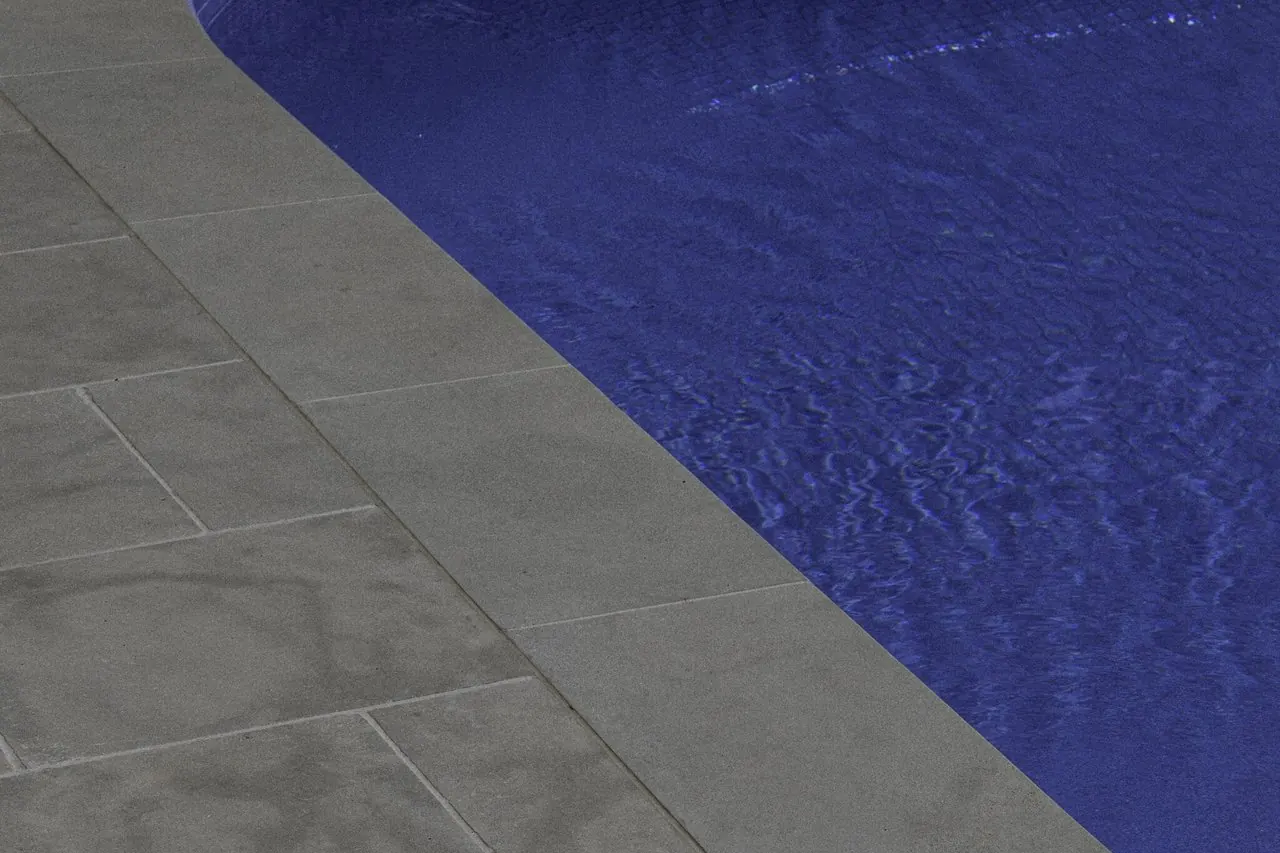
Limestone is better suited to fully exposed outdoor applications. It performs reliably in garden walls, pool surrounds, patios, walkways, driveways, and entertaining areas where safety and comfort matter most. Its lighter tones help manage heat, while textured finishes provide better grip underfoot.
Limestone also blends naturally with landscaping and outdoor architecture. For most Australian outdoor projects, limestone offers a practical balance of durability, comfort, and long-term performance, making it the preferred choice for everyday outdoor living spaces.
Best Outdoor Uses for Marble
Marble works best in outdoor areas where design impact is the priority and environmental exposure is limited. Its distinctive veining and polished aesthetic create a premium architectural feel.
Common outdoor uses include:
- sheltered courtyards
- covered alfresco areas
- outdoor feature paving
- decorative wall cladding
- statement entryways
Best Outdoor Uses for Limestone
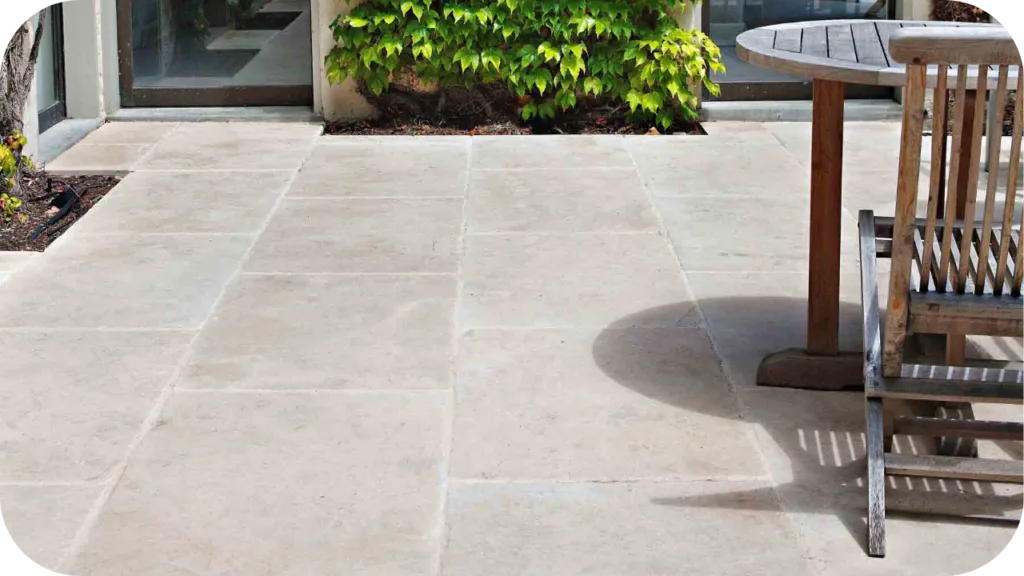
Limestone performs reliably in fully exposed outdoor environments where durability and safety are essential. Its lighter colour tones and textured finishes make it practical for everyday outdoor living areas.
Common applications include:
- pool surrounds
- patios and entertaining areas
- garden pathways
- outdoor stairs
- driveway paving
Why Limestone Performs Well in Australian Outdoor Conditions
Australia’s outdoor environments expose paving materials to intense sun, seasonal rainfall, and significant temperature fluctuations. Natural stones used outdoors must resist heat absorption, surface erosion, and moisture exposure.
Limestone performs well in these conditions because its lighter colour tones reflect sunlight more effectively than darker stones. This helps keep paving cooler underfoot during summer.
When installed correctly and sealed periodically, limestone provides reliable durability across patios, pool surrounds, and walkways in Australian residential landscapes.
Maintenance and Long-Term Care Outdoors
Outdoor stone lasts longer when paver cleaning and maintenance are planned from day one. These care differences matter most once marble or limestone is exposed to the sun, moisture, and daily use.
- Sealing Frequency: Marble requires more frequent sealing to protect against etching and moisture damage, while limestone typically needs scheduled resealing to maintain surface strength and consistent outdoor performance.
- Cleaning Methods: Marble needs gentle, pH-neutral cleaners to avoid surface dulling, whereas limestone tolerates regular outdoor cleaning when harsh chemicals and acidic products are avoided.
- Stain and Etch Management: Marble is more prone to etching from water and organic matter outdoors, while limestone resists visible marking better when sealed correctly and cleaned promptly.
- Weathering Over Time: Marble can show wear and fading faster in exposed areas, while limestone generally weathers evenly, developing a natural patina that suits outdoor environments.
- Long-term Upkeep Costs: Marble often involves higher maintenance costs outdoors, while limestone delivers lower long-term upkeep when installed and cared for correctly.
Final Thoughts
Marble and limestone both bring character to outdoor spaces, but performance should always guide the final choice.
Marble suits sheltered areas where visual impact takes centre stage, while limestone delivers comfort, safety, and durability across exposed Australian conditions. When the stone matches the environment, the result is an outdoor space that looks better and lasts longer.
For expert advice, premium outdoor stone, and guidance tailored to your project, speak with the team at Splendour in Stone. We help you choose confidently and build outdoor spaces designed to perform beautifully for years to come.
Frequently Asked Questions
Is marble suitable for outdoor paving?
Marble can be used outdoors in sheltered areas when properly sealed and finished with anti-slip treatments. However, it is more sensitive to moisture, heat, and staining compared to limestone, which often makes limestone a more practical option for exposed outdoor paving.
Does limestone last longer outdoors than marble?
Limestone often performs more reliably in outdoor environments because it tolerates heat exposure, moisture, and daily foot traffic well when sealed correctly. This makes it a popular choice for patios, pool surrounds, and garden walkways.
Is limestone slippery when wet?
Limestone typically provides good traction when finished with brushed, tumbled, or sandblasted textures. These finishes help create a natural grip, making limestone suitable for pool surrounds and outdoor entertaining areas.
Which stone stays cooler outdoors?
Limestone generally stays cooler underfoot than marble because its lighter colour tones reflect sunlight more effectively. This makes limestone comfortable for outdoor paving in warm climates such as Australia.
Is marble more expensive than limestone?
Marble usually costs more due to quarrying complexity, visual rarity, and installation requirements. Limestone often offers a more cost-effective option for outdoor paving while still delivering strong durability and natural beauty.