Sawn bluestone is a dense natural stone cut with a saw to create a smooth, flat and refined surface. It keeps the strength and character of bluestone while giving the finish a cleaner, more contemporary look.
That balance is what makes it so appealing. It feels architectural, but not artificial. It has a controlled surface, but still carries the natural colour variation, mineral movement and small cat’s paw markings that make bluestone distinctive.
For homeowners, designers and builders, sawn bluestone is often considered for paving, courtyards, pool surrounds, steps, floors and outdoor entertaining areas. It suits projects that need a stone with structure, durability and understated visual depth.
What Is Sawn Bluestone?
Sawn bluestone is bluestone that has been cut with a saw to produce a flat, even and lightly textured surface. The finish is smoother than a natural split or flamed finish, but it does not have the polished sheen of a honed surface.
Bluestone itself is widely valued for its dense structure, blue-grey tones and strong performance in outdoor and high-use settings. The sawn finish brings out a more refined side of the material. It gives the stone a consistent face while still preserving its natural variation.
That is why Bluestone Sawn works well in projects where the surface needs to feel clean, modern and practical without losing the organic quality of natural stone.
| Feature | What It Means |
| Material | Natural bluestone, commonly associated with dense basalt-style stone |
| Finish | Saw-cut surface with a fine, matte appearance |
| Texture | Smoother than flamed or split stone, with light surface texture |
| Colour | Usually grey, blue-grey, charcoal or deeper tones depending on batch and moisture |
| Common uses | Paving, patios, pool surrounds, steps, courtyards, floors and feature areas |
| Main appeal | Refined look, natural variation and strong everyday practicality |
What Makes Sawn Bluestone Unique?

Sawn bluestone stands out because it combines a controlled finish with natural character. Many materials look clean. Many natural stones look textured. Sawn bluestone sits in the middle, giving you a surface that feels refined but still clearly natural.
Its Colour Has Depth Without Feeling Busy
Bluestone is known for its grey, blue-grey and charcoal tones. In sawn form, those colours often appear more even and composed, which helps the stone suit modern homes, minimalist courtyards and architectural landscapes.
The colour can also shift with light, water and sealing. A dry piece may look softer and more muted. When wet or sealed, the same stone can appear deeper and richer. This subtle movement is part of the appeal, especially in outdoor areas where the surface changes throughout the day.
Cat’s Paw Markings Add Natural Character
Some bluestone pieces show small holes or rounded markings often called cat’s paws. These are natural features of the stone, not manufacturing defects.
They form from small cavities in the rock and can add texture, depth and individuality to the surface. Some people like them because they make the stone feel more organic. Others prefer a cleaner selection with fewer visible markings.
The key is to understand them before choosing the stone. Cat’s paws are part of the natural bluestone story, but the exact level of marking can vary by supply, batch and product selection.
The Surface Feels Clean But Not Over-Processed
The saw-cut face gives the stone a flatter and more consistent surface. This makes it useful for areas where you want a neat finish underfoot, such as patios, courtyards, entry paths and internal floors.
At the same time, sawn bluestone does not look glossy or overly polished. It keeps a quiet matte quality, which makes it easy to pair with timber, render, brick, steel, glass and planting.
Each Batch Has Its Own Variation
Natural stone is not made to look identical from piece to piece. Even with a sawn finish, bluestone can vary in tone, markings, mineral movement and surface character.
This variation is one of the reasons it feels more premium than many manufactured alternatives. It gives the surface a layered, lived-in quality that works across both contemporary and traditional designs.
How the Sawn Finish Is Made and How It Looks
A sawn finish is created by cutting the stone with a saw blade. This produces a flat, precise surface with a fine matte appearance.
Compared with rougher stone finishes, sawn bluestone looks more controlled. It has a smoother feel and cleaner face, which makes it suitable for projects where the paving or flooring needs to look sharp and intentional.
A sawn finish usually offers:
- A flatter surface: The face is more even than a split or heavily textured finish.
- A matte appearance: It does not have the reflective look of polished stone.
- A refined texture: It feels smoother underfoot while still retaining some surface grip.
- A modern look: The clean face works well with straight lines, large-format paving and minimalist designs.
- Natural variation: Colour, mineral movement and markings remain visible.
This is why sawn bluestone is often chosen when the project needs a premium finish without becoming too formal or glossy.
Sawn vs Honed Bluestone and Other Finishes

The finish you choose affects how bluestone looks, feels and performs. Sawn and honed bluestone are often compared because both are smoother than rugged outdoor finishes. The difference is in the level of refinement.
Sawn bluestone has a fine matte surface created by cutting. Honed bluestone is further processed to create an even smoother and more refined face. Flamed and natural split finishes are more textured, which can be helpful where extra grip is important.
| Finish | Look | Texture | Grip Feel | Common Uses |
| Sawn bluestone | Clean, matte and refined | Smooth with light texture | More practical than honed in many outdoor settings, but check rating | Patios, courtyards, steps, pool surrounds, floors |
| Honed bluestone | Very smooth and elegant | Finer and more polished-looking than sawn | Usually less textured than sawn or flamed | Internal floors, covered areas, refined outdoor spaces |
| Flamed bluestone | Textured and slightly rugged | Rougher surface | Often chosen where stronger surface grip is needed | Wet areas, public paving, external paths |
| Natural split bluestone | Organic and rustic | Uneven natural texture | Stronger tactile feel | Garden paths, rustic paving, traditional landscapes |
Sawn bluestone sits between the smoothness of honed stone and the stronger texture of flamed or split finishes. That makes it a versatile middle ground for projects that need both visual refinement and everyday practicality.
Where Sawn Bluestone Is Used
Sawn bluestone works across many residential and commercial applications. Its appeal comes from the way it can feel both structured and natural, making it suitable for outdoor surfaces, transition areas and selected indoor spaces.
Patios and Courtyards
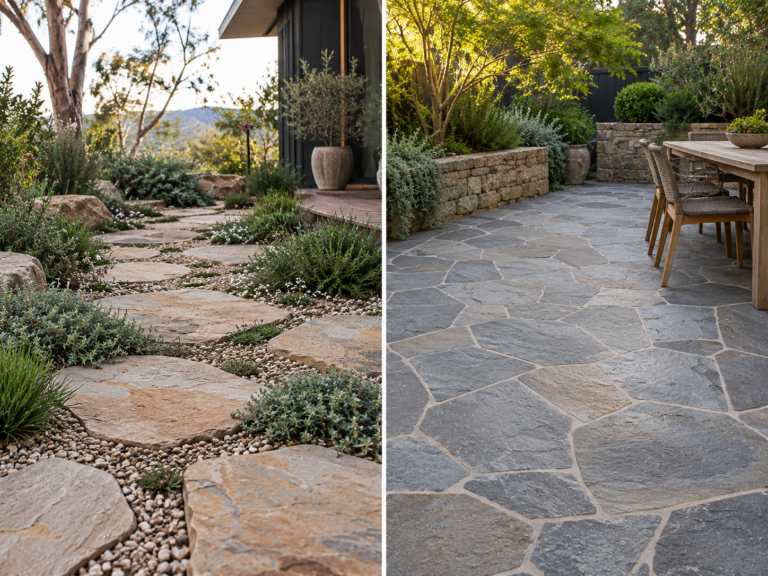
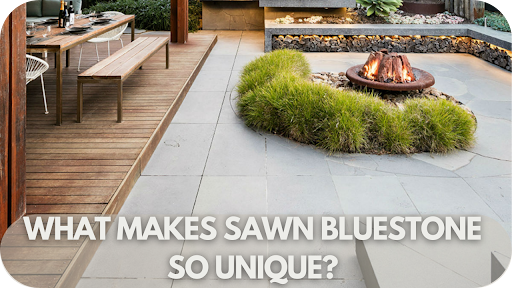
Sawn bluestone is a strong option for patios and courtyards because it creates a clean, grounded surface. The blue-grey tones work well with outdoor dining areas, built-in seating, fire pits, garden beds and rendered walls.
For homeowners comparing broader paving options, Splendour in Stone’s natural stone paving range is a useful place to consider how bluestone sits beside travertine, granite, limestone and other outdoor materials.
Pool Surrounds
The refined look of sawn bluestone can suit pool surrounds, especially where the design calls for darker tones and a crisp edge. Around wet areas, the finish and slip rating should always be checked before installation.
It is also important to consider heat, sealing, drainage and edge detailing. Pool areas are demanding, so the stone should be selected and installed with the specific site conditions in mind.
Steps, Treads and Entries
Sawn bluestone can give steps and entries a solid, architectural feel. Its clean surface works well with straight-edged designs, formal garden entries and modern homes.
Because steps are high-use areas, thickness, edge finish, slip rating and installation method should be matched to the project.
Indoor Floors
In some projects, sawn bluestone can be used indoors for floors that need a natural, understated look. It pairs well with timber joinery, neutral walls and darker architectural details.
For internal use, the finish should be chosen carefully so the floor feels comfortable underfoot and suits the cleaning expectations of the space.
Feature Zones and Cladding
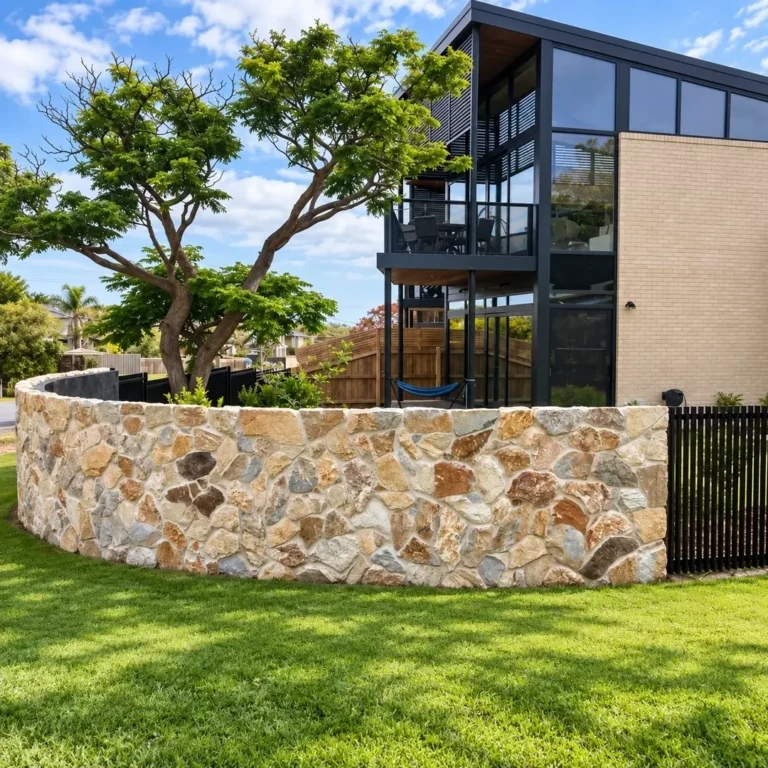
Bluestone can also be used as a feature material in garden walls, low retaining walls, outdoor kitchens and architectural details. While sawn bluestone is often discussed as paving, the same visual qualities can support broader stone design when the format suits the application.
Slip, Durability and Practical Considerations

Bluestone is valued because it is dense, durable and well-suited to many high-use surfaces. Sawn bluestone adds a fine, controlled texture that can feel more practical outdoors than a very smooth honed or polished finish.
That said, no natural stone should be described as simply “non-slip.” Slip resistance depends on the finish, moisture, contaminants, slope, footwear, installation and the official test rating.
For wet areas, pool surrounds, steps and commercial surfaces, check the slip rating against the project requirements. In Australia, slip resistance is commonly assessed using AS 4586 classifications for new pedestrian surface materials.
Practical points to consider include:
- Wet areas need extra care: Pool surrounds and external steps should be assessed for slip suitability.
- Drainage matters: Even durable stone can perform poorly if water sits under or on the surface.
- Installation affects longevity: Movement, poor base preparation and wrong adhesives can cause issues over time.
- Sealing helps protect the stone: Especially in entertaining areas, pool zones and exposed patios.
- Natural variation is expected: Colour and markings should be reviewed through samples where possible.
Bluestone itself is generally known for strength, but long-term performance still depends on correct preparation and installation. Many common issues come from what happens beneath the stone, which is why avoiding bluestone installation mistakes is just as important as choosing the finish.
If durability is one of your main concerns, the question of whether bluestone cracks easily is worth considering before finalising the stone, substrate and installation method.
Caring for Sawn Bluestone
Sawn bluestone is durable, but it still needs proper care. It is not maintenance-free, and it should not be treated like a synthetic surface.
Like many natural stones, bluestone benefits from sealing, gentle cleaning and sensible protection from stains, moisture issues and harsh chemicals. The goal is not to make the stone look new forever. It is to help it age well.
Seal the Stone Correctly
Sealing helps reduce staining and moisture absorption. It is especially useful in outdoor dining areas, pool surrounds, pathways, entries and spaces exposed to leaves, soil, food or drink spills.
The right sealer depends on the stone, finish, location and desired appearance. Some sealers keep the colour more natural. Others can deepen the tone. Test first if the colour outcome matters.
Clean With a Stone-Safe Product
Use a pH-neutral cleaner and avoid harsh acidic products. Strong chemicals can damage the surface or affect the sealer.
For day-to-day care, sweep away grit and debris, rinse as needed and clean spills early. A simple routine can prevent dirt from building into the surface. For a more detailed cleaning process, see how to clean bluestone pavers like a pro.
Watch for Orange Staining
Some bluestone can develop orange or rust-like staining. This can be linked to natural minerals, moisture movement or environmental conditions.
It does not always mean the stone has failed, but it should be handled carefully. Using the wrong cleaning method can make the issue worse. If you notice colour changes, it helps to understand why bluestone turns orange before treating the surface.
Protect Outdoor Areas From Harsh Weather
Outdoor bluestone is exposed to heat, rain, UV, debris and seasonal change. Good drainage, suitable sealing and regular cleaning all help the surface perform better over time.
For patios and exposed areas, the right care routine can reduce staining, weathering and moisture-related problems. Splendour in Stone’s advice on protecting a bluestone patio in extreme weather is especially useful for outdoor projects.
Is Sawn Bluestone Right for Your Project?
Sawn bluestone is a strong choice if you want a surface that feels refined, natural and long-lasting. It suits projects where the paving or flooring needs to look clean without becoming glossy or overly manufactured.
It may be right for your project if you want:
- A blue-grey or charcoal-toned natural stone
- A smooth matte finish with light texture
- A surface that suits modern and classic designs
- Natural markings and variation rather than a uniform manufactured look
- A premium material for patios, courtyards, entries, steps or pool surrounds
- A stone that can handle everyday use when correctly selected and installed
It may not be the best fit if you want a very light-coloured paver, a highly textured rustic surface, or a finish that needs almost no upkeep. In those cases, another stone or another bluestone finish may suit the project better.
The best approach is to compare samples in natural light and consider where the stone will be used. Around pools, steps and exposed outdoor spaces, confirm the slip rating and installation requirements before ordering.
Final Thoughts
Sawn bluestone is unique because it offers the best of both worlds: the strength and natural character of bluestone, with a cleaner and more refined surface. Its blue-grey tones, cat’s paw markings and matte finish make it a strong choice for patios, pool surrounds, steps, courtyards and floors.
The key is to choose it with the full project in mind. Look at the colour, texture, slip rating, sealing needs and installation method before making a final decision. When selected and installed properly, sawn bluestone can create a surface that feels calm, durable and timeless.
For project advice, samples or finish guidance, Splendour in Stone can help you compare sawn bluestone with other natural stone options before you choose the final material.
Frequently Asked Questions
1. What is sawn bluestone?
Sawn bluestone is bluestone cut with a saw to create a flat, smooth and matte surface. It keeps the natural colour and character of bluestone while giving the face a cleaner and more refined finish.
2. What is the difference between sawn and honed bluestone?
Sawn bluestone has a fine saw-cut surface with a matte look, while honed bluestone is processed further to create a smoother and more refined face. Sawn generally feels more lightly textured, while honed has a sleeker finish.
3. Why does bluestone have small holes?
The small holes often seen in bluestone are commonly called cat’s paws. They are natural markings linked to the stone’s formation and are usually considered part of its character rather than a fault.
4. Is sawn bluestone slippery?
Sawn bluestone has a fine texture, but slip resistance depends on the finish, wetness, slope, contaminants and tested rating. For pool surrounds, steps and wet areas, always check the relevant slip classification before installation.
5. Does sawn bluestone need sealing?
Yes, sawn bluestone usually benefits from sealing. Sealing helps protect the surface from staining, moisture absorption and everyday outdoor wear, especially in entertaining areas, pool surrounds and exposed patios.
6. Where is sawn bluestone best used?
Sawn bluestone is commonly used for patios, courtyards, pool surrounds, steps, entries, indoor floors and selected feature areas. Its clean matte finish makes it suitable for both modern and traditional designs.
7. Is sawn bluestone good for pool surrounds?
Sawn bluestone can work well around pools when the finish, slip rating, sealing, drainage and edge details are suitable for the project. Because pool areas are wet and often barefoot, the stone should be assessed carefully before installation.