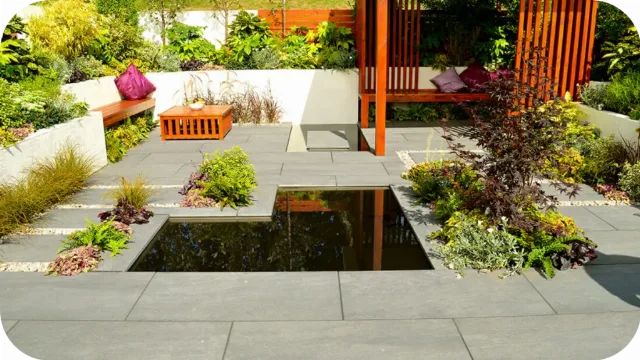
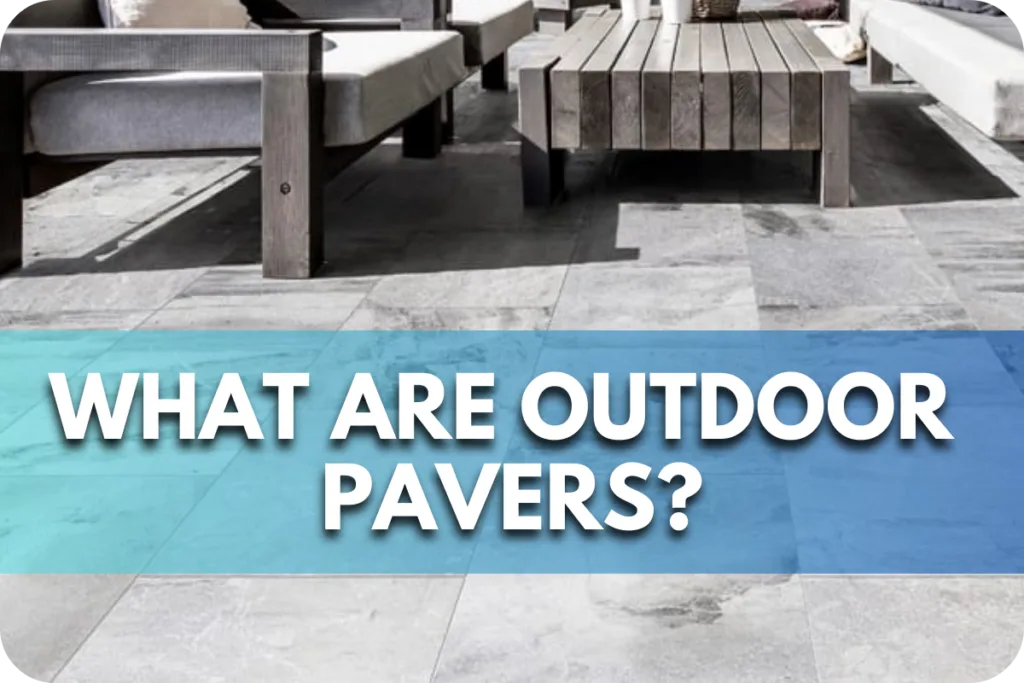
Outdoor pavers are flat, hard-wearing units of natural stone, concrete, clay brick or porcelain, laid as the finished surface of patios, paths, driveways and pool surrounds. Unlike tiles, pavers are thick enough (generally 20mm and up) to be laid on sand or mortar beds outdoors. Unlike a poured slab, they are individual units, so the surface can flex with ground movement, and any damaged piece can be replaced on its own.
This guide covers what pavers are made of, the sizes and formats they come in, how they compare with tiles and concrete, and how they are chosen, installed and maintained.
In this guide
What Are Outdoor Pavers Made Of?
Natural stone is the premium end of the paver market, with seven stones doing most of the work in Australian projects. Manufactured options (concrete, clay brick and porcelain) trade lifespan and character for a lower upfront price; the trade-offs are covered in our natural stone vs porcelain comparison.
1. Bluestone pavers
Bluestone is the Victorian default for a reason: dense, slip-resistant and at home in high-traffic areas from driveways to pool surrounds, in a blue-grey that suits both heritage and modern designs. Start with is bluestone good for outdoor paving if it is on your shortlist.
2. Granite pavers
Granite is the hardest-wearing mainstream paving stone, shrugging off vehicles, weather and abrasion, with a speckled, colourfast surface. It is the safe pick for driveways and commercial spaces; see the granite pavers guide for varieties and finishes.
3. Marble pavers
Marble brings the most refined look in the range and performs well outdoors when specified properly: honed or tumbled finishes for grip, sealed against staining. The marble pavers guide covers where it works best.
4. Limestone pavers
Limestone offers soft, even tones and a smooth, calm surface suited to alfresco areas and garden paths. It is porous, so sealing matters; the practicalities are in things to know when using limestone pavers.
5. Porphyry pavers
Porphyry is a volcanic stone with a naturally textured, non-slip surface that European cities have paved with for centuries. It excels as cobbles and filetti on driveways and public spaces; the case for it is in porphyry pavers benefits.
6. Quartzite pavers
Quartzite is extremely hard and low-porosity, with a subtle sparkle through the surface. It handles high traffic and pool surrounds with minimal upkeep; see the benefits of quartzite pavers.
7. Travertine pavers
Travertine stays noticeably cooler underfoot than dense dark stone, and its textured surface grips when wet, which makes it the barefoot favourite for pool decks and patios. Its full application range is covered in uses for travertine.
Pavers vs Tiles vs Poured Concrete: What’s the Difference?
Thickness separates pavers from tiles, and unit construction separates pavers from a slab.
Tiles are thin (typically 10 to 12mm) and need a cured concrete slab and exterior adhesive underneath. Pavers carry load through their own thickness, so they can be laid on a screeded sand bed or mortar bed directly over compacted road base. The full distinction, including when each is the right call, is in pavers vs tiles.
Against poured concrete, pavers win on crack resistance (units flex where slabs crack), repairability and looks, while a plain slab wins on upfront cost. The comparison is unpacked in is it better to use pavers or concrete.
What Sizes and Formats Do Outdoor Pavers Come In?
| Format | What it is | Typical use |
| Large-format pavers | Single sizes such as 600 x 400mm and up | Modern patios, paths, minimal looks |
| French pattern | A repeating set of mixed sizes | Traditional patios and pool decks |
| Crazy paving | Irregular pieces fitted like a mosaic; see what crazy paving means | Courtyards, organic garden paths |
| Cobblestones | Small setts, loose or mesh-backed; covered in cobblestone paving | Driveways, edging, heritage looks |
| Pool coping | Bullnose or drop-edge units | Pool perimeters and step treads |
As a thickness guide: 20 to 30mm suits foot traffic, driveways call for 40mm plus stone on a concrete base (or 60 to 80mm interlocking concrete units), and cobblestones typically run 40 to 60mm.
Why Choose Pavers Over a Concrete Slab?
- They move without cracking. Individual units on a flexible bed accommodate the ground movement that cracks rigid slabs, a real advantage on reactive Australian soils.
- Repairs are invisible. A stained or damaged paver lifts out, and a new one drops in; a slab repair is a patch you see forever.
- No curing downtime. Sand-set paving is usable as soon as it is compacted and jointed.
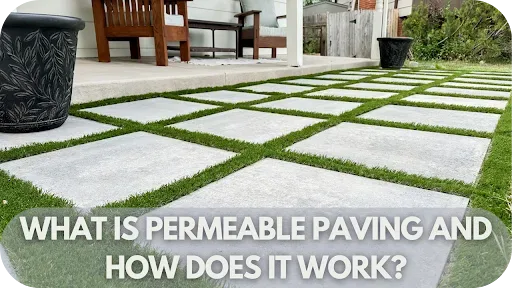
- Permeable options exist. Open-jointed systems let stormwater soak through rather than run off, which some councils now reward or require.
How Do You Choose the Right Outdoor Paver?
- Match the stone to the load. Driveways and commercial areas need dense stone (granite, bluestone, porphyry) at the right thickness; garden paths can carry anything in the range.
- Match the surface to the weather exposure. Dense, low-absorption stone handles frost and coastal salt; porous materials are the ones that spall and stain when saturated.
- Check the slip resistance where it gets wet. Look for the wet pendulum (P) rating under AS 4586, with P4 to P5 the usual recommendation around pools.
- Think in lifecycle cost, not just upfront cost. Stone costs more on day one and is typically still in service when cheaper surfaces are being replaced.
- Sample in your own light. Stone colour shifts between the showroom and the backyard; always check pieces on site before committing.
For a shortlist by application, see the best stones for outdoor areas.
How Are Outdoor Pavers Installed?
There are two methods: flexible (sand-set over compacted road base) and rigid (mortar bed over a concrete slab). Natural stone is laid both ways; the site, loads and stone format decide which.
- Plan and set out. Confirm the pattern, finished levels and falls away from the house, and order around 10% extra for cuts.
- Excavate deep enough for the base, the bedding layer and the paver thickness, removing all topsoil.
- Build the base: 100mm of compacted road base for foot traffic, 150mm or more for vehicles, or confirm an existing slab is sound for the rigid method.
- Fix edge restraints on sand-set jobs before laying begins.
- Bed the pavers: a 30mm screeded sand bed for flexible paving, or a mortar bed on slab for rigid work, tapping each unit to level.
- Cut and fit around obstacles with a wet saw, then joint: sand for flexible systems, grout for mortared stone.
- Finish: compact sand-set surfaces with a rubber-matted plate compactor, clean off, and seal porous stone once dry.
The detailed version, including repairs, is in the stone paver installation and repair guide.
How Do You Maintain Outdoor Pavers?
- Sweep regularly and wash with low pressure; harsh pressure washing strips joints and can scar softer stone.
- Never use acidic cleaners on limestone, marble or travertine; acid etches calcareous stone on contact.
- Top up jointing sand annually on flexible paving, and reseal porous stone every three to five years, depending on exposure.
- Clean spills promptly and trim overhanging vegetation to keep moss, algae and tannin stains from establishing.
See the Range in Person
If you know the look you are after, the fastest next step is matching it to a stone. Browse the stone paving range or book a consultation and bring your plans.
FAQs
How thick should outdoor pavers be?
For foot traffic, 20 to 30mm natural stone is standard. Driveways need 40mm plus stone on a concrete base or 60 to 80mm interlocking concrete units, and cobblestones typically run 40 to 60mm.
Are pavers cheaper than a concrete slab?
Usually not upfront: a plain poured slab is the cheapest hard surface. Pavers claw it back over time through invisible unit repairs, no crack-repair cycle and longer service life, with natural stone running 50 years and more.
What is the best paver around a pool?
A light-toned, textured stone with a P4 to P5 slip rating: travertine and limestone are the regular picks because they grip when wet and stay cooler underfoot. Edge details matter as much as the field; see the best stone for pool coping and paving.
Do outdoor pavers crack?
Individual pavers rarely crack; when paving fails, it is almost always the base settling or washing out underneath. Built on properly compacted road base with working drainage, a paved surface stays level and intact for decades.