

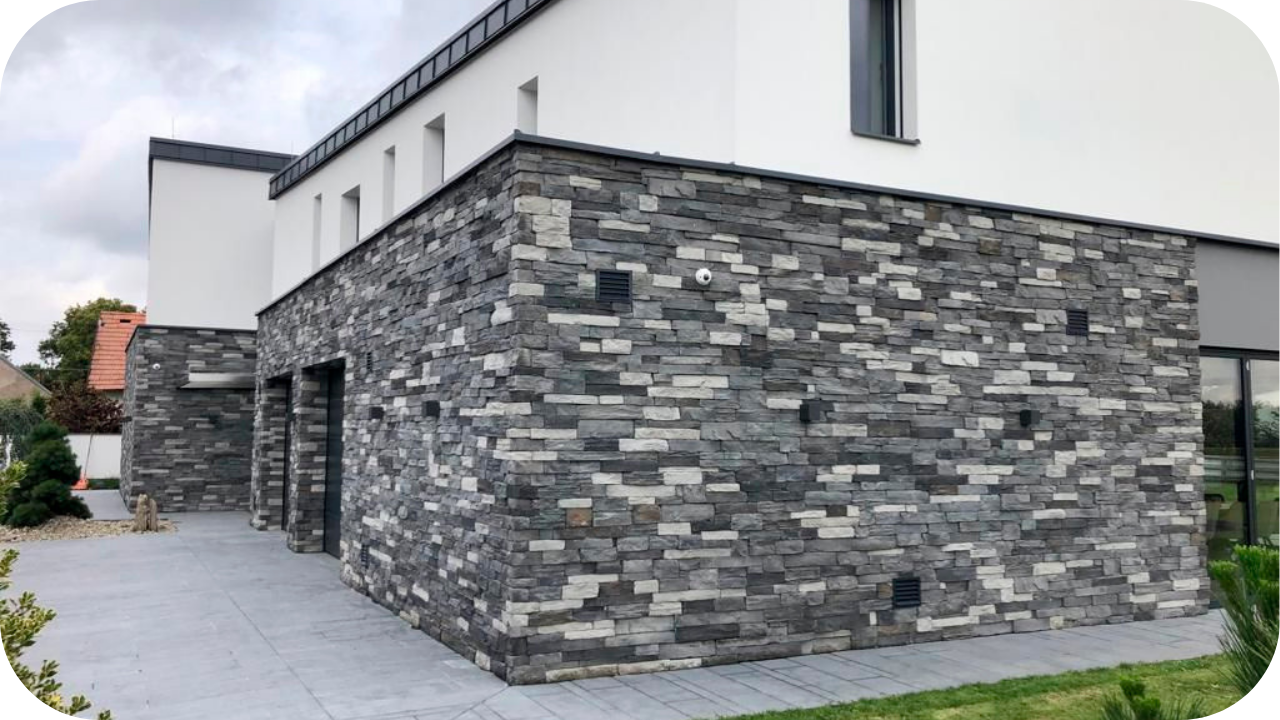
A building’s facade is its first impression, one that should be both striking and timeless.
Custom stone cladding transforms ordinary structures into architectural masterpieces, blending durability with visual elegance. Whether it’s a sleek modern high-rise or a rustic countryside home, tailored stone finishes create a distinctive identity.
Beyond aesthetics, stone cladding enhances insulation, weather resistance, and longevity.
But how do you choose the right stone and ensure seamless installation? This guide explains everything you need to know about custom stone cladding to achieve a truly unique architectural design.
Why Choose Custom Stone Cladding?
Custom stone cladding offers a unique blend of natural beauty and strength. For a broader overview of systems, applications and material choices, this stone cladding guide is a useful starting point. Here’s why it’s the perfect choice for your project!:
- Enhances Architectural Uniqueness: With custom stone cladding, no two projects look alike. Tailored textures, colours, and patterns create bespoke designs for facades, accent walls, and interiors. This guide on luxury stone wall cladding for contemporary facades offers more design direction for premium architectural finishes.
- Provides Durability and Weather Resistance: Natural stone withstands extreme weather and UV exposure and wears over time. Unlike other materials, it retains its beauty for decades with minimal upkeep.
- Adds Value to Properties: A premium, long-lasting aesthetic makes stone-clad properties stand out, increasing their market value and investment appeal. This guide on natural stone ROI and property value explains how well-planned stone upgrades can support long-term appeal.
- Improves Thermal and Acoustic Insulation: It acts as a natural insulator, reducing heating and cooling costs while minimising external noise, which is ideal for urban spaces.
- Offers Low Maintenance and Longevity: This finish requires little upkeep compared to painted or synthetic finishes. A simple wash restores its appearance, and it can last for generations with proper installation.
Best Stone Types for Custom Cladding

The choice of stone can make or break a cladding project. The right material enhances a building’s visual appeal and ensures durability and performance. This guide to the best stones for exterior wall cladding gives more detail on durability, aesthetics and performance. Whether you prefer the natural beauty of quarried stone or the flexibility of manufactured options, each type offers unique advantages suited to different architectural needs.
1. Limestone
A versatile and timeless stone, limestone is a favourite for modern and classic architectural designs. Its smooth or textured finishes allow it to blend seamlessly into contemporary structures while maintaining the warmth needed for traditional styles.
Limestone is available in neutral tones, making it an excellent choice for facades, feature walls, and interior spaces. One of its most significant advantages is its workability, allowing easy cutting and shaping to meet specific design requirements.
However, limestone is relatively porous and needs proper sealing to prevent moisture absorption and maintain its structural integrity. When installed and maintained correctly, limestone cladding delivers a sophisticated, high-end look that stands the test of time.
2. Granite

Granite is the ideal choice for those prioritising strength and longevity. It is one of the hardest natural stones available, offering exceptional resistance to scratches, stains, and weather damage. These properties make it particularly suited for high-traffic areas and exterior facades that must withstand the elements.
Granite’s unique grain patterns and extensive colour variations provide a level of customisation that few other stones can match. Granite offers plenty of options, whether you want a bold, striking facade or a subtle, neutral-toned wall.
Additionally, it is low-maintenance, requiring only periodic sealing to keep its surface protected. For architects and designers seeking a durable yet visually striking material, granite is a premium option that delivers long-term performance.
3. Sandstone
Sandstone is the perfect option if you want a warm, natural look. Its earthy tones and rich textures make it popular for heritage buildings, exterior walls, and garden landscapes.
Sandstone’s rugged yet refined aesthetic makes it an excellent material for adding character to any space. One key benefit of sandstone is its resistance to temperature fluctuations, which enables it to perform well in areas with variable weather.
However, it is a porous stone, so regular sealing is essential to prevent water absorption and potential erosion. When properly maintained, sandstone cladding enhances a structure’s visual appeal and functional strength, ensuring it remains a standout feature for years.
For more material-specific advice, this guide to sandstone cladding covers essential things to know before choosing sandstone for your cladding needs.
4. Quartzite

Quartzite is among the best choices for luxurious yet highly durable custom stone cladding. Due to its elegant veining and polished appearance, quartzite is often mistaken for marble. It offers superior durability and resistance to stains and scratches.
Quartzite is non-porous, unlike marble, which can be sensitive to acidic substances. Thus, it is easier to maintain over time. Quartzite’s natural strength makes it ideal for high-end residential and commercial applications where aesthetics and durability are essential.
Quartzite is frequently used for interior feature walls, upscale facades, and modern design projects that seek a sleek, sophisticated finish. This guide on the benefits of quartzite walling gives more context on its strength and visual appeal. Due to its strength, beauty, and low maintenance, it is a premium cladding material that offers lasting value.
5. Manufactured Stone Alternatives
While natural stone is often preferred for its authenticity and durability, manufactured stone veneers offer a cost-effective, lightweight alternative. This comparison of natural stone versus engineered stone can help clarify the trade-offs. These engineered products replicate the appearance of real stone while offering greater installation flexibility.
Manufactured stone cladding is particularly beneficial for projects with structural limitations, as it reduces the overall weight load on a building. It can also be moulded into various shapes, textures, and colours, allowing for greater design customisation.
Installation is quicker and more affordable than natural stone, making it a practical solution for interior and exterior applications where budget and ease of installation are primary concerns.
However, manufactured stone is less durable than natural stone and may fade over time, especially in extreme weather conditions. This guide comparing stone cladding and full-bed stone gives more context on different walling approaches. While it offers a stylish, cost-effective option, choosing a high-quality engineered stone is essential to ensure a lasting, visually appealing finish.
Design Considerations for Unique Architectural Applications

Stone cladding isn’t just about appearance; it must also align with structural, environmental, and functional needs. A well-thought-out design ensures that the cladding enhances aesthetics and withstands the test of time. Below are key considerations for achieving the perfect balance between beauty, durability, and practicality.
1. Choosing Textures, Colours, and Finishes
The stone’s texture, colour, and finish are crucial in a project’s final aesthetic appeal. This guide to types of natural stone finishes explains how different surface treatments affect texture, appearance and application. Smooth, uniform finishes work best for modern, minimalist designs, creating a sleek, contemporary feel.
Conversely, rugged and irregular textures create a raw, natural look that complements rustic, industrial, or traditional styles. For a more textured walling look, this split face stone guide is a useful reference. The stone’s colour should harmonise with the surrounding materials and environment to ensure a cohesive architectural design.
Another key factor is how light interacts with the stone throughout the day. Natural light enhances depth, shadows, and tonal variations, making some textures more prominent.
For interior applications, artificial lighting can affect the perceived colour and finish of the stone. Selecting the right combination ensures the stone cladding blends seamlessly with the project’s vision while retaining its aesthetic value for years.
2. Where to Apply Stone Cladding
Stone cladding’s versatility enables it use across multiple architectural applications, enhancing both exterior and interior spaces. This stone cladding style guide for Australian homes offers more ideas for matching cladding to different architectural styles. It creates a striking first impression on facades, adding a sense of grandeur and sophistication. Many high-end homes and commercial buildings incorporate stone facades to establish a strong visual identity.
Another popular application is feature walls. They bring warmth and texture to interior spaces. Whether in a living room, hallway, or office lobby, a well-designed stone feature wall is a stunning focal point.
Fireplaces and columns also benefit from the richness and depth of stone, turning them into statement pieces. For fireplace-specific inspiration, this guide to fireplace stone feature walls shows how stone can anchor a room.
Stone cladding can be used in outdoor landscaping to extend the natural aesthetic to garden walls, kitchens, patios, and water features. This guide to stone wall ideas for gardens and exteriors offers more practical outdoor inspiration.
3. Balancing Aesthetics with Functionality

While aesthetics are important, practical factors such as weight, moisture resistance, and maintenance must also be considered. This stone cladding adhesive guide is useful when thinking through fixing methods and substrate requirements. Some stone materials, such as sandstone and limestone, are naturally porous and require sealing to prevent water absorption and staining.
For longevity, choose a stone that resists moisture damage in areas with high humidity or heavy rainfall. This guide to the best stone for coastal and humid climates can help with exposure-based material selection. Maintenance is another consideration. Some stones require periodic sealing, while others, such as granite and quartzite, are naturally resistant to wear and weathering.
Selecting a stone that aligns with the project’s maintenance expectations ensures it retains its appeal over time. This stone maintenance and care guide covers practical cleaning, sealing and protection advice. Additionally, installing cladding in high-traffic areas requires a durable stone that withstands constant exposure without deteriorating.
Conclusion
Custom stone cladding is more than just an architectural feature; it’s a statement of quality, longevity, and timeless beauty. Whether enhancing a commercial facade or adding character to a home, the right stone and expert installation make all the difference. These questions to ask your stonemason can help clarify installation requirements before work begins.
At Splendour in Stone, we provide high-quality custom stone cladding solutions tailored to your project’s needs. Our expert team ensures every installation is precise, durable, and aesthetically excellent.



