Natural Stone Design Trends: Outdoor Living, Renovation and Styling Ideas

Natural stone has a way of making outdoor spaces feel warm, settled and built to last. From paved alfresco areas to textured feature walls, it brings a grounded look that suits Australian homes and changing design styles.
More homeowners are choosing stone for spaces that connect daily living with entertaining, garden design and long-term renovation value. The focus is less on short-lived trends and more on materials that age well.
This guide explores practical natural stone design trends for outdoor living, paving, wall cladding and styling ideas that can help shape a home with texture, strength and timeless appeal.
In this guide
- What Are Natural Stone Design Trends?
- Why Natural Stone Is Still a Strong Choice for Australian Homes
- Top Natural Stone Design Trends for Outdoor Living and Renovation
- Best Natural Stone Materials for Modern Home Design
- Outdoor Living Ideas Using Natural Stone
- Stone Wall Cladding and Interior Styling Ideas
- How to Choose the Right Stone for Your Renovation
- Common Natural Stone Design Mistakes to Avoid
- Bring Your Natural Stone Design Ideas to Life
- FAQs
What Are Natural Stone Design Trends?
Natural stone design trends are the styles, materials, colours and layout choices shaping how stone is used in modern homes. They influence everything from outdoor paving and garden paths to wall cladding, pool surrounds, fireplaces, courtyards and entry features.
Unlike decorative trends that come and go quickly, natural stone trends are often shaped by how people want to live. Australian homeowners are looking for spaces that feel calm, practical and connected to the outdoors. That is why materials with texture, warmth and natural variation continue to stand out.
In outdoor areas, these trends often appear through large-format pavers, soft neutral colours, crazy paving, cobblestone details, pool coping and mixed landscaping finishes. Around the home, stone walling and cladding are being used to add depth to facades, fireplaces, boundary walls and feature areas without relying on loud colours or heavy decoration.
A strong natural stone trend is not only about what looks good in photos. It also needs to suit the home’s architecture, climate, maintenance needs and daily use. A patio used for entertaining, for example, needs a different stone choice from a driveway, pool surround or interior feature wall.
The best design approach is to treat natural stone as a long-term material choice. When the colour, finish, layout and placement are carefully planned, stone can make a home feel more refined while still looking natural, relaxed and easy to live with.
Why Natural Stone Is Still a Strong Choice for Australian Homes
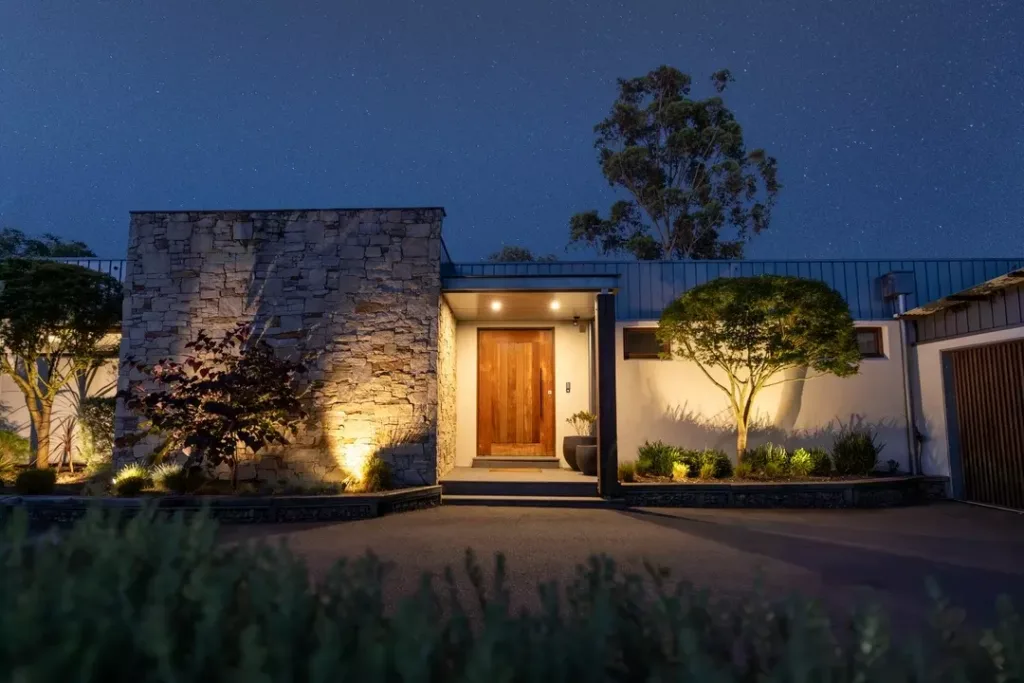
Natural stone remains a strong choice for Australian homes because it suits the way many people use their spaces. Patios, pool surrounds, garden paths, courtyards, fireplaces and feature walls all benefit from materials that feel natural, durable and visually grounded.
A well-chosen stone can support both lifestyle and design goals. It can soften a modern home, add structure to a garden, create a stronger connection between indoors and outdoors, or give an older property a more refined finish. That flexibility is one reason stone continues to hold its place in renovation and outdoor living trends.
For Australian conditions, the right stone must be selected with the area in mind. A sunny pool surround, shaded courtyard, high-traffic driveway and internal feature wall all need different finishes, textures and maintenance considerations. Good design starts by matching the stone to the space, not simply choosing the colour that looks best.
Key reasons homeowners continue choosing natural stone include:
- Outdoor durability: Quality stone can handle patios, walkways, garden areas, pool zones and driveways when the right product, thickness and finish are chosen for the application.
- Natural variation: Each piece carries its own colour movement, grain, markings and texture, giving the finished space more depth than flat manufactured surfaces.
- Design flexibility: Natural stone works across modern, coastal, Mediterranean, rustic, traditional and architectural homes, especially when paired with timber, planting, render or brick.
- Long-term value: Stone has a timeless quality that helps renovations avoid looking dated too quickly, particularly when colours and layouts are kept balanced.
The strongest results come from using stone with restraint. A simple paved area, textured wall, garden path or poolside feature can have more impact than trying to use too many materials at once. When planned properly, natural stone gives Australian homes a finish that feels practical, premium and built for long-term enjoyment.
Top Natural Stone Design Trends for Outdoor Living and Renovation
Here are the natural stone design trends shaping outdoor living, paving, walling and renovation choices for Australian homes.
1. Seamless Indoor-Outdoor Flow
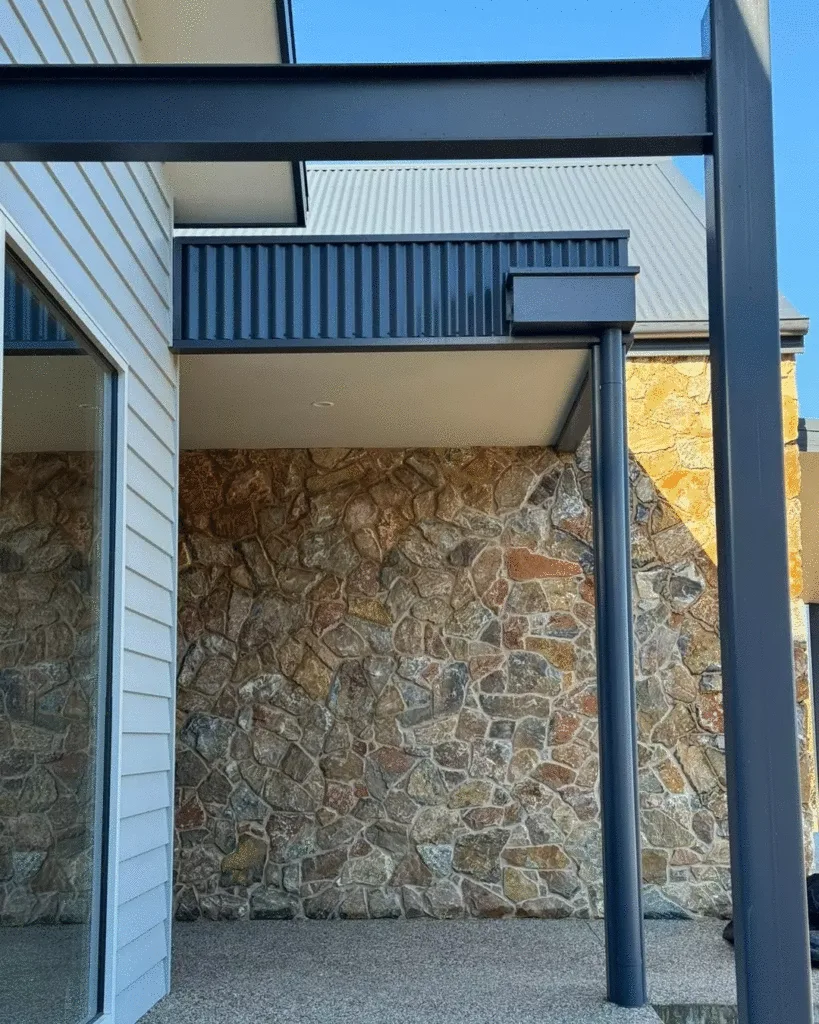
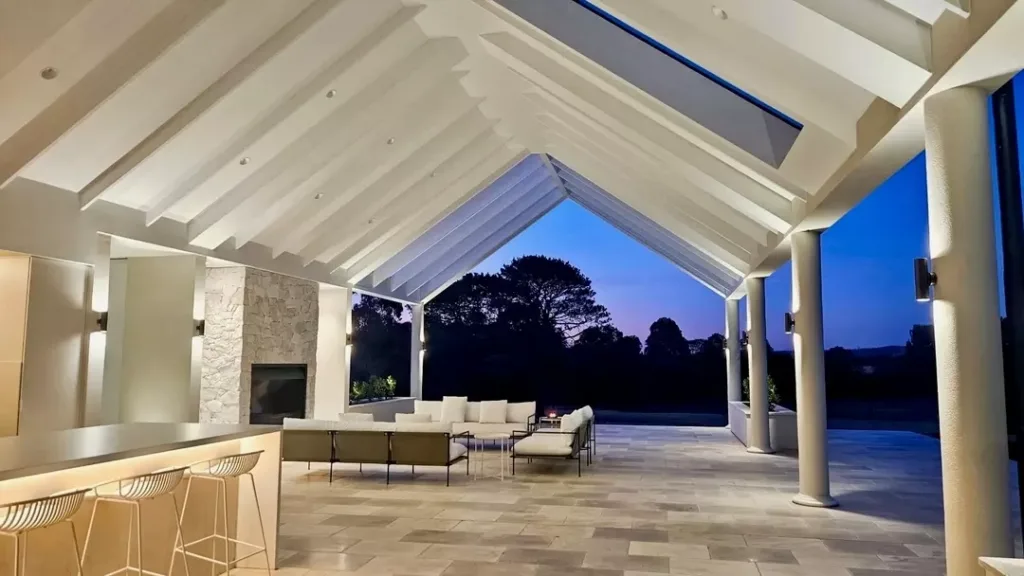
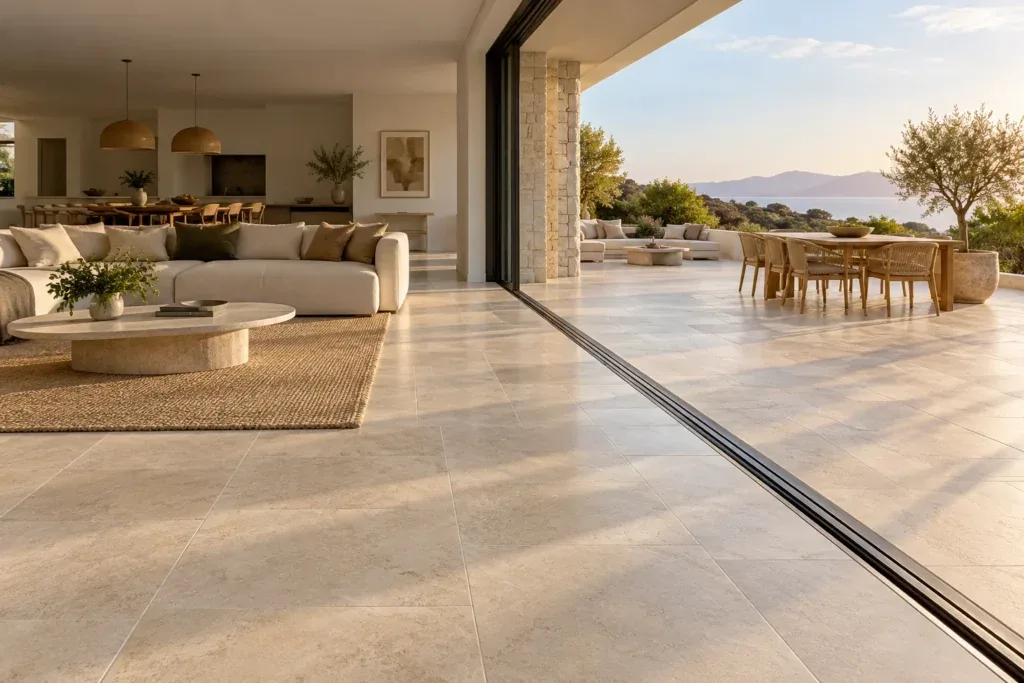
Indoor-outdoor flow remains one of the strongest design directions for Australian homes. Homeowners want patios, alfresco areas, courtyards and pool zones to feel like natural extensions of the living room, rather than separate outdoor spaces.
Natural stone supports this beautifully when colours, finishes and layouts are chosen with the whole home in mind. A soft limestone patio can complement neutral interiors, while bluestone or granite can create a sharper architectural look. The aim is not always to match every surface exactly, but to create a smooth visual connection between inside and outside.
Large glass doors, flush thresholds, covered alfresco areas and consistent paving tones can make the home feel larger, calmer and more connected to the garden.
2. Warm, Earthy Stone Colours
Cool grey palettes are still used in modern homes, but warmer natural tones are becoming more popular. Beige, cream, sand, light brown, soft grey, greige and charcoal stone colours can bring warmth without making the space feel heavy.
These shades work especially well in Australian light, where very stark colours can feel harsh outdoors. Earthy stone tones also pair easily with timber decking, native planting, rendered walls, black window frames and soft outdoor furniture.
For homeowners who want a timeless look, warmer stone colours are often safer than highly polished or overly bold finishes. They feel natural, relaxed and easier to style across different seasons.
3. Large-Format Pavers for Clean Modern Spaces
Large-format pavers are a strong choice for homeowners who want a clean, modern outdoor area. Their larger size creates fewer visible joints, which can make patios, pool surrounds and courtyards feel more open and less busy.
This trend suits contemporary homes, especially when the design uses simple furniture, neat garden beds and a restrained colour palette. Large-format limestone, travertine, granite or bluestone pavers can create a premium finish without needing decorative patterns. That is the same logic behind stone in minimalist design, where the material does the work and the pattern stays out of the way.
Proper installation matters with this style. The base preparation, drainage, joint spacing and levels need to be carefully handled so the area remains safe, stable and visually even over time.
4. Modern Crazy Paving with a Refined Finish
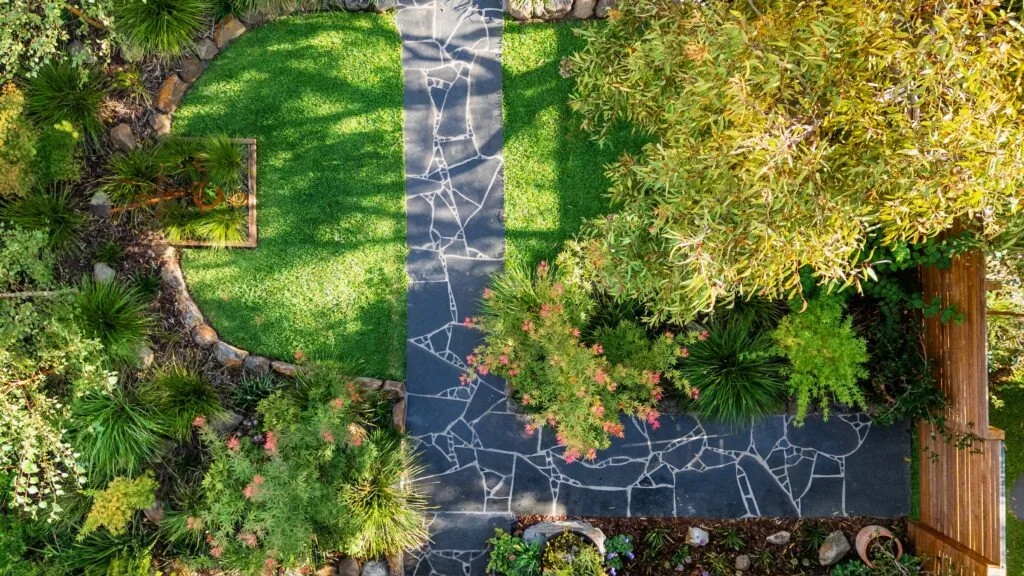
Crazy paving has moved well beyond the busy, mixed-colour look many people remember from older homes. The modern version is more refined, controlled and design-led.
Instead of combining too many colours, homeowners are choosing one natural stone type with gentle tonal variation. This creates movement without making the space feel chaotic. Travertine, limestone, Porphyry Crazy and sandstone can all create beautiful crazy paving when the layout is planned carefully.
This trend works especially well in courtyards, garden paths, feature patios and relaxed entertaining areas. The key is to keep the jointing neat, the colours balanced and the surrounding materials simple.
5. Mixed-Material Outdoor Zoning
Outdoor areas are becoming more layered and practical. Instead of using one surface across the entire backyard, many designs now combine natural stone pavers with gravel, lawn, garden beds, cobblestones, edging and stepping stones.
This approach helps define different zones without making the garden feel boxed in. A paved alfresco area can lead into a gravel fire pit zone, a stone path can guide movement through planting, and cobblestone edging can frame a driveway or garden bed.
Mixed-material zoning works best when the colours are connected. Too many competing tones can make the space feel cluttered, while a limited palette keeps the design calm and intentional.
6. Textured Stone Wall Cladding for Feature Areas
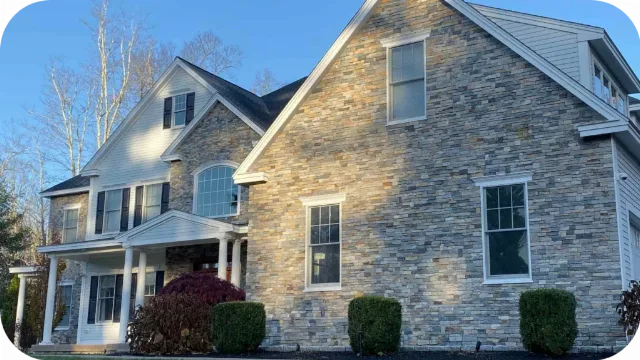
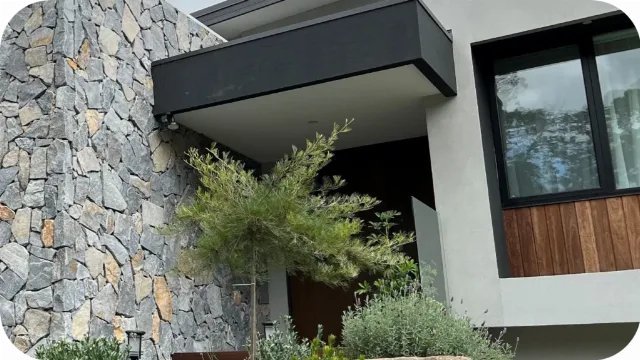
Textured wall cladding is becoming a popular way to add depth, especially in homes with simple rendered, brick or timber finishes. Natural stone walling can make an entry, facade, fireplace, retaining wall or outdoor room feel more grounded and architectural.
Split-face, dry-stack, ledgestone and ashlar-style layouts can all create different effects. Some feel rustic and organic, while others look more structured and refined. The right choice depends on the home’s style and how strong you want the feature to appear.
This trend works best when stone is used as a highlight, not as visual overload. A single feature wall can often do more than cladding every available surface. Brick works the same way, and a single run of dark brick like Midnight Ash carries more weight than the same brick across every wall in the room.
7. Poolside Retreats and Resort-Style Backyards
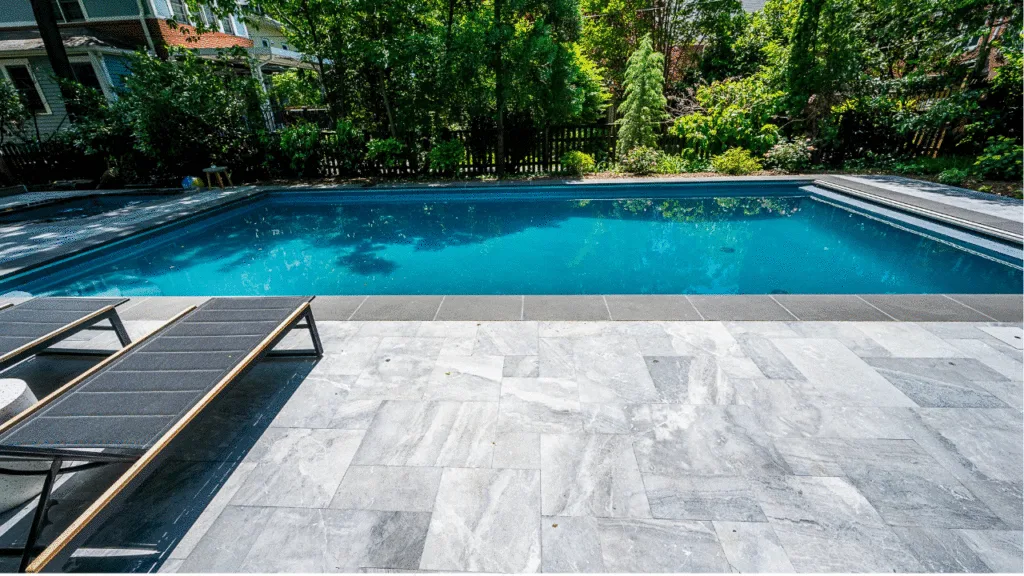
Many homeowners are treating the pool area as a calm retreat, not just a functional swimming space. Natural stone helps create that resort-style feel through soft tones, textured finishes, pool coping, paved surrounds and relaxed planting.
Travertine, limestone and pale sandstone can work beautifully in this setting when the right finish is chosen. Lighter tones can help the area feel cooler and more open, while natural variation stops the space from looking flat.
Practical performance still comes first. Poolside stone should be selected with slip resistance, heat comfort, sealing, drainage and salt or chlorine exposure in mind. A beautiful pool surround also needs to be safe and easy to maintain.
8. Timeless Stone Features Inside the Home
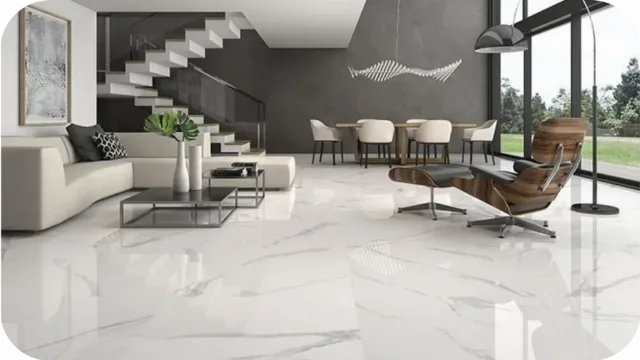
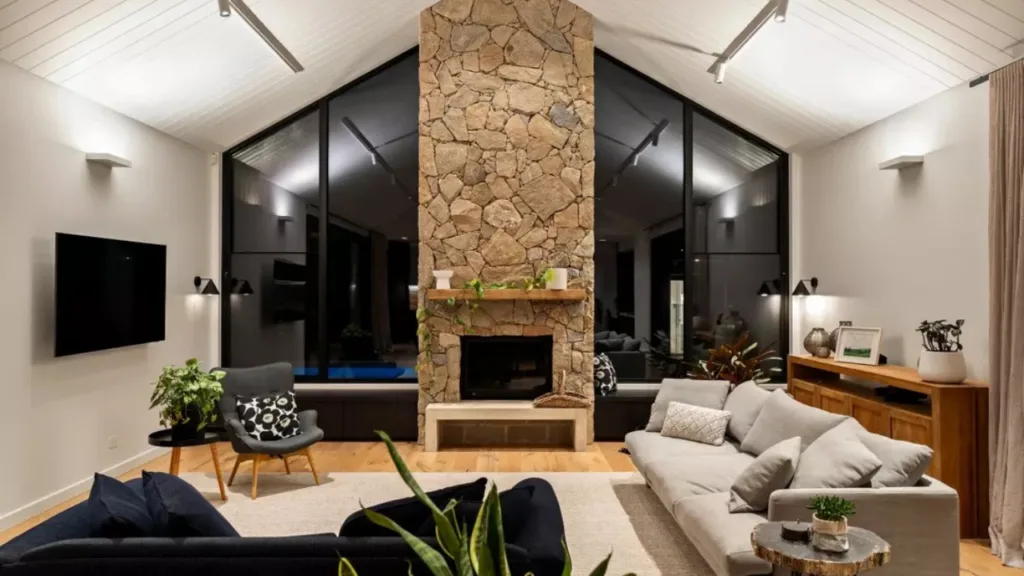
Natural stone is also being used indoors to create warm, lasting focal points. Living room feature walls, fireplaces, entry walls, stair zones and internal columns can all benefit from stone when the design is balanced.
The best interior stone features do not fight with the rest of the room. They work with the lighting, furniture, flooring and wall colours to create texture without feeling too heavy. Neutral stone tones often suit interiors because they add interest while keeping the space calm.
For a timeless result, use stone where it has a clear purpose. A fireplace surround, feature wall or entry statement should feel connected to the home, not added as an afterthought.
Best Natural Stone Materials for Modern Home Design
Choosing the best natural stone comes down to where it will be used, how much traffic the area receives, the look you want and how much maintenance you are prepared to manage. A stone that works beautifully around a pool may not be the best choice for a driveway, and a walling stone may need different qualities from an outdoor paver.
The table below gives a practical starting point for comparing popular natural stone materials.
| Stone Type | Best Used For | Design Feel | Key Consideration |
| Travertine | Pool surrounds, patios, courtyards and relaxed alfresco areas | Warm, soft, Mediterranean and resort-inspired | Usually benefits from sealing and careful finish selection in wet areas |
| Limestone | Outdoor paving, garden paths, walling and refined entertaining areas | Soft, elegant, coastal and timeless | Needs stone-safe cleaning and protection from harsh acidic products |
| Bluestone | Driveways, paths, steps and modern outdoor paving | Strong, architectural, structured and contemporary | Darker tones may feel hotter in exposed full-sun areas |
| Granite | Driveways, steps, pathways and high-use outdoor zones | Durable, premium, clean and formal | Can feel harder visually, so it often works best with softer planting |
| Sandstone | Garden paths, walling, courtyards and relaxed outdoor features | Warm, natural, earthy and character-filled | Density, finish and sealing needs should be matched to the location |
| Marble | Premium paving, feature areas and statement outdoor spaces | Elegant, refined, high-end and distinctive | Needs thoughtful placement, care and finish selection |
| Porphyry | Crazy paving, cobblestones, paths and rustic outdoor areas | Textured, European-inspired, natural and durable | Layout, jointing and installation quality strongly affect the final look |
For modern home design, the best material is rarely chosen by appearance alone. A pale limestone may suit a soft courtyard, while granite or bluestone may be better for a driveway or structured entry. Travertine can create a calm poolside feel, while porphyry or crazy paving can add movement to garden paths and relaxed entertaining spaces.
Finish is just as important as the stone itself. A tumbled finish can soften the look, a textured finish can improve grip, and a sawn or honed surface can create a cleaner architectural effect. Before choosing, think about sun exposure, water contact, foot traffic, furniture placement and how the stone will connect with the rest of the home.
The strongest designs usually use one main stone material confidently, then support it with planting, lighting, timber, gravel, brick or cobblestone details. This keeps the home feeling layered without making the design look crowded.
Outdoor Living Ideas Using Natural Stone
Natural stone can make outdoor spaces feel more connected, practical and inviting. The best designs usually start with how the area will be used, then match the stone, layout and finish to that purpose.
Stone Patios for Entertaining
A stone patio can become the main gathering point for outdoor dining, BBQs and relaxed weekends at home. Large-format pavers work well when you want a clean, modern alfresco area, while smaller pavers or crazy paving can create a softer and more relaxed feel.
For entertaining spaces, think about furniture placement before choosing the layout. A dining table, outdoor lounge or BBQ zone needs enough stable surface area to feel comfortable. Soft limestone, travertine, granite or bluestone can all work well, depending on the home’s style and the level of use.
Pool Surrounds and Relaxed Retreat Spaces
Pool areas need to feel calm, safe and comfortable underfoot. Natural stone can help create that retreat-style look when the colour, texture and coping details are chosen carefully.
Lighter tones often suit pool surrounds because they can make the area feel open and relaxed. Travertine, limestone and pale sandstone are popular design directions for this type of space, especially when paired with soft planting, simple furniture and clean waterline details.
Practical selection matters here. The stone should be considered for slip resistance, heat comfort, sealing needs and exposure to water, salt or chlorine.
Garden Paths, Stepping Stones and Courtyard Features
Garden paths and stepping stones are a simple way to add structure without overbuilding the landscape. Natural stone can guide movement through lawns, gravel, planted areas or courtyard spaces while keeping the design grounded.
Crazy paving works well as a feature path when the surrounding garden is kept simple. Stepping stones can create a softer look through grass or gravel, while cobblestone edging can frame garden beds and define walking areas.
These smaller details often make the whole outdoor space feel more intentional, especially when the stone tones connect with the patio, walls or home facade.
Driveways, Entries and Front Yard Appeal
The front of the home sets the tone before anyone reaches the door. Natural stone can lift street appeal through driveways, entry paths, steps, garden borders and feature walls.
Granite, bluestone and cobblestones are often suited to stronger, more structured front yard designs. They can create a solid first impression while handling regular foot traffic or vehicle use when specified correctly.
For the best result, the entry design should match the home’s architecture. A modern home may suit clean lines and darker stone, while a softer garden setting may work better with warmer tones, textured pavers or natural edging.
Outdoor stone design works best when every area has a clear purpose. Match the stone to the space, the exposure and the maintenance level you are comfortable with.
Stone Wall Cladding and Interior Styling Ideas
Natural stone is not limited to outdoor paving. Wall cladding and interior stone features can add texture, depth and character to areas that might otherwise feel flat or unfinished. Used carefully, stone can make both exterior and interior spaces feel more architectural.
Exterior Feature Walls and Facades
Exterior stone cladding can improve street appeal and give the home a stronger sense of presence. Entry walls, front facades, garden walls and porch areas are all good places to use stone as a feature without overwhelming the design.
Textured stone works especially well beside smooth render, brick, timber, glass or black-framed windows. The contrast helps each material stand out while keeping the overall look balanced. For modern homes, cleaner profiles and controlled colours often work best. For rustic or traditional homes, split-face or irregular walling can feel more natural.
The goal is to use stone where it adds structure and interest. A single entry wall or facade section can make a stronger impression than covering every surface.
Fireplaces and Living Room Feature Walls
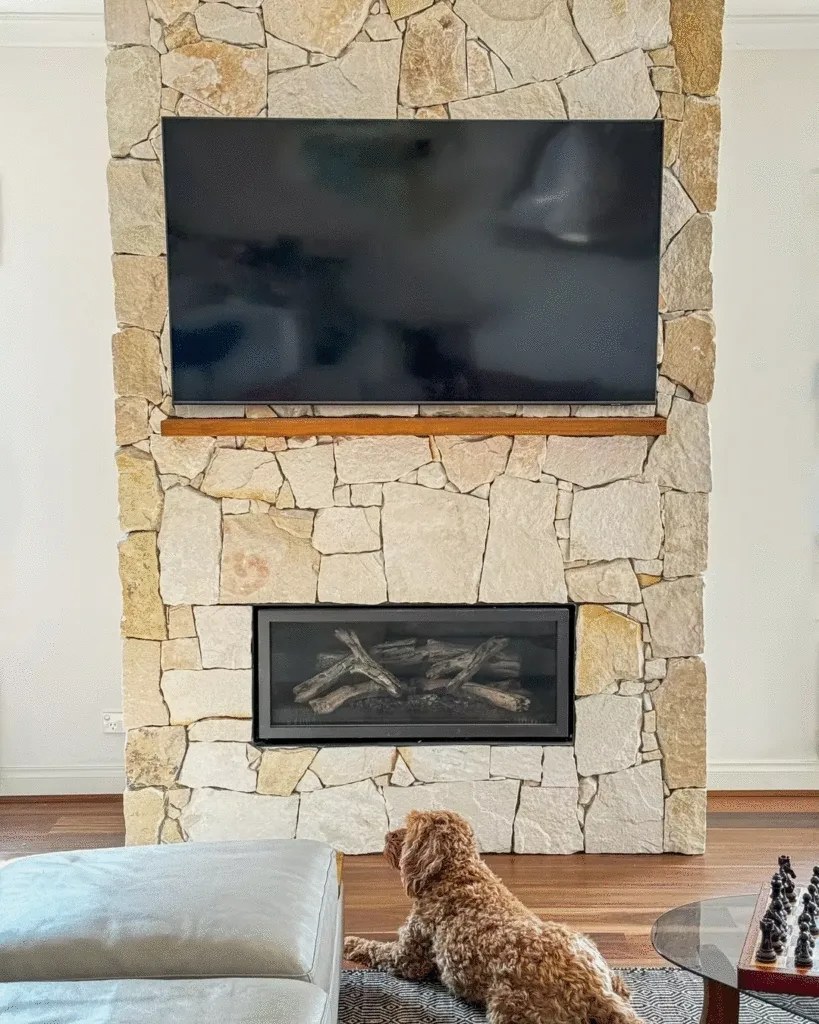
A natural stone fireplace or living room feature wall can create a warm focal point inside the home. Stone brings weight, texture and permanence, which can make the room feel more grounded and inviting.
The key is scale. A large room with high ceilings may handle a bold stone wall, while a smaller living room may suit a softer limestone, sandstone or lightly textured cladding. Lighting also matters because it can highlight the stone’s surface movement and natural variation.
For a modern interior, keep the surrounding finishes simple. Neutral furniture, timber flooring, soft rugs and warm lighting can help the stone feel integrated rather than heavy.
Outdoor Rooms and Retaining Walls
Outdoor rooms are becoming more popular in Australian homes, especially where patios, BBQ areas and garden spaces are used throughout the year. Natural stone walling can help frame these zones and make them feel more complete.
Retaining walls, boundary walls, outdoor kitchens and built-in seating areas can all benefit from stone when the colour and texture match the rest of the landscape. This approach works well because the wall becomes part of the design, not just a structural requirement.
Styling Stone with Timber, Plants and Neutral Finishes
Stone is easiest to style when the surrounding materials feel natural and calm. Timber, soft planting, warm lighting, neutral render, black accents and simple outdoor furniture all pair well with natural stone.
Avoid using too many strong finishes in one area. Let the stone carry the texture, then use the other elements to soften and support the overall design.
How to Choose the Right Stone for Your Renovation
Choosing the right natural stone starts with more than colour. The best option should suit the way the space will be used, the style of the home, the local conditions and the level of maintenance you are willing to manage.
1. Start with Where the Stone Will Be Used
Every area of the home places different demands on stone. A patio needs to handle foot traffic, furniture and weather exposure. A pool surround needs suitable texture, comfort underfoot and resistance to wet conditions. A driveway needs strength, correct thickness and proper installation.
Wall cladding, fireplaces and feature walls are different again. These areas are more focused on texture, weight, profile and visual balance. Before choosing any stone, be clear about whether it is being used for paving, walling, coping, steps, edging or a decorative feature.
2. Match the Stone to Your Home Style
Natural stone should feel connected to the architecture around it. A modern home may suit large-format pavers, clean lines, bluestone, granite or a soft option such as Brooklyn Limestone. A coastal home may feel better with pale, relaxed tones.
A Mediterranean-inspired courtyard can work beautifully with travertine, warm limestone or crazy paving.
Older homes may benefit from softer textures, cobblestones, sandstone or walling stone with more natural movement. The aim is to choose a stone that feels like it belongs, not one that competes with the rest of the property.
3. Consider Heat, Slip Resistance and Weather Exposure
Australian outdoor spaces often deal with strong sun, heavy rain, pool water and regular entertaining. These conditions should influence the stone, finish and colour you choose.
Darker pavers can feel hotter in exposed areas, while smoother finishes may not suit wet zones. Pool surrounds, steps and walkways need careful finish selection so they remain practical and safe. Covered courtyards, shaded paths and indoor features usually allow more flexibility.
4. Think About Maintenance Before You Choose
Natural stone is long-lasting, but it still needs the right care. Some stones may need sealing to reduce staining, moisture absorption or surface wear. Outdoor areas may also need regular sweeping, gentle cleaning and occasional resealing depending on the stone and exposure.
Avoid harsh cleaners, especially acidic products, unless the stone supplier confirms they are suitable. Planning maintenance early helps you choose a material that suits your lifestyle, not just your design goals.
5. Choose the Right Finish, Not Just the Right Stone
The same stone can look and perform differently depending on its finish. Tumbled finishes can feel softer and more aged. Split-face finishes add texture to walls. Flamed, exfoliated or textured finishes can improve grip outdoors. Honed or sawn finishes can create a cleaner, more refined look.
A good renovation choice balances appearance with performance. When the stone, finish, size and installation method all suit the space, the result feels intentional, practical and built to last.
Common Natural Stone Design Mistakes to Avoid
Even the best natural stone can look wrong if the design, finish or installation choice does not suit the space. These mistakes are common during renovations, especially when homeowners focus only on appearance instead of long-term use.
- Choosing by colour alone: A stone may look beautiful in a sample, but colour should not be the only deciding factor. Texture, thickness, finish, location and maintenance needs all affect how well it performs.
- Ignoring heat in exposed spaces: Darker pavers can look striking, but they may feel hotter in full sun. This matters around pools, patios, courtyards and barefoot outdoor areas.
- Using indoor inspiration without outdoor practicality: A smooth, refined finish may look elegant indoors, but outdoor spaces need surfaces that suit weather, water exposure, foot traffic and safe movement.
- Mixing too many stone colours: Combining several stone types, strong tones and busy patterns can make the area feel cluttered. A limited palette usually creates a more timeless result.
- Forgetting drainage and base preparation: Poor installation can lead to movement, lipping, pooling water or uneven surfaces. Natural stone needs the right base, falls, jointing and installation method.
- Not planning maintenance early: Sealing, cleaning and stain prevention should be considered before the stone is installed. Using harsh cleaners or delaying care can affect the finish over time.
- Overusing feature stone: A stone wall, fireplace or entry feature can look powerful when used with restraint. Covering too many surfaces may make the home feel heavy instead of refined.
A better approach is to start with the function of the space, then choose the stone, finish and layout around that purpose. That way, the final design looks good and works properly in everyday use.
Bring Your Natural Stone Design Ideas to Life
Natural stone trends may shift from year to year, but the best designs usually come back to the same principles: choose materials that suit the home, use them with purpose and think about how the space will be used every day.
From outdoor paving and pool surrounds to wall cladding, garden paths and interior feature walls, natural stone can add texture, strength and long-term style when planned properly.
Explore Splendour in Stone’s natural stone pavers, walling, cobblestones and feature materials to find the right finish for your next renovation or outdoor design project.
FAQs
What are the biggest natural stone design trends in Australia?
The biggest natural stone design trends in Australia include seamless indoor-outdoor flow, warm earthy tones, large-format pavers, refined crazy paving, textured wall cladding and mixed-material outdoor zoning. Homeowners are moving towards spaces that feel natural, practical and connected, rather than overly polished or trend-heavy.
What natural stone is best for outdoor paving?
The best natural stone for outdoor paving depends on where it will be installed. Travertine, limestone, bluestone, granite, marble and porphyry can all work well when the finish, thickness and maintenance needs suit the space. Pool surrounds, driveways, patios and garden paths each need different performance qualities.
Is natural stone suitable for modern homes?
Yes, natural stone suits modern homes when it is used with clean layouts, simple colour palettes and balanced textures. Large-format pavers, structured wall cladding, soft limestone, bluestone, granite and restrained crazy paving can all support a modern look without making the space feel cold or plain.
What stone colours are trending for outdoor spaces?
Warm neutrals are leading many outdoor stone design trends. Beige, cream, sand, greige, soft grey, charcoal and limestone-inspired tones are popular because they feel natural and easy to style. These colours also pair well with timber, native planting, rendered walls, black accents and modern outdoor furniture.
Can I use the same stone indoors and outdoors?
You can use the same stone indoors and outdoors, but the finish and specification may need to change. Outdoor areas often need more grip, weather resistance and careful sealing, while indoor spaces may allow smoother or more refined finishes. Always match the stone to the location, not just the look.
Is crazy paving still in style?
Crazy paving is still in style, but the modern version is more refined than older mixed-colour designs. Many homeowners now choose one stone type with natural tonal variation, cleaner jointing and a more controlled layout. This makes crazy paving suitable for courtyards, garden paths, patios and relaxed entertaining areas.
How do I choose between paving and wall cladding stone?
Paving stone needs to handle foot traffic, weather exposure, furniture, water and safe movement. Wall cladding stone is more focused on texture, profile, weight, colour and architectural impact. The right choice depends on whether the stone needs to perform underfoot or create a visual feature on a vertical surface.