Stone Paving Ideas for Courtyards That Maximise Space and Impact

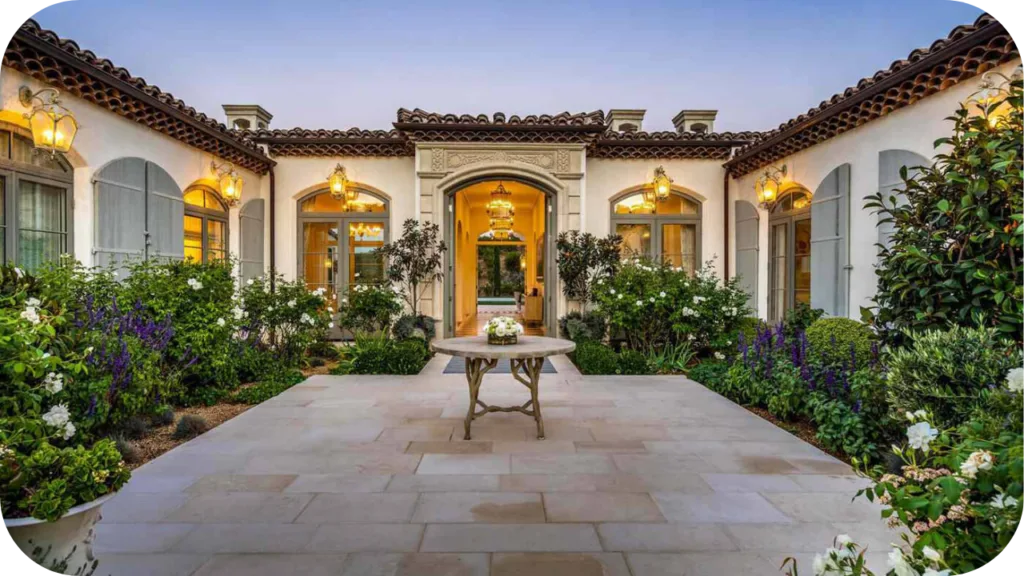
Good courtyard paving works on two decisions: a stone in a light, even tone, and a layout with as few joint lines as the space allows. Travertine and limestone suit enclosed courtyards because paler surfaces lift a shaded space and stay cooler underfoot, while bluestone and granite suit courtyards that take heavy traffic or connect through to a driveway. Larger pavers in a simple pattern make a small courtyard read as bigger.
Natural stone paving plays a pivotal role in transforming small outdoor spaces into stylish and functional areas. With the right stone paving, your courtyard can feel spacious, well-designed, and practical.
This article will provide you with stone paving ideas that maximise space and impact, ensuring your courtyard becomes both an inviting retreat and an eye-catching feature of your home.
In this guide
- Design Tips to Maximise Courtyard Space
- Space-Smart Paving Patterns That Add Visual Impact
- Key Factors to Consider Before Choosing Stone Paving
- Best Natural Stones for Courtyard Paving
- How to Combine Stone Paving with Other Textures to Maximise Courtyard Space and Impact
- Maintenance Tips for Courtyard Stone Paving
- Frequently asked questions
- Planning your courtyard paving
Design Tips to Maximise Courtyard Space
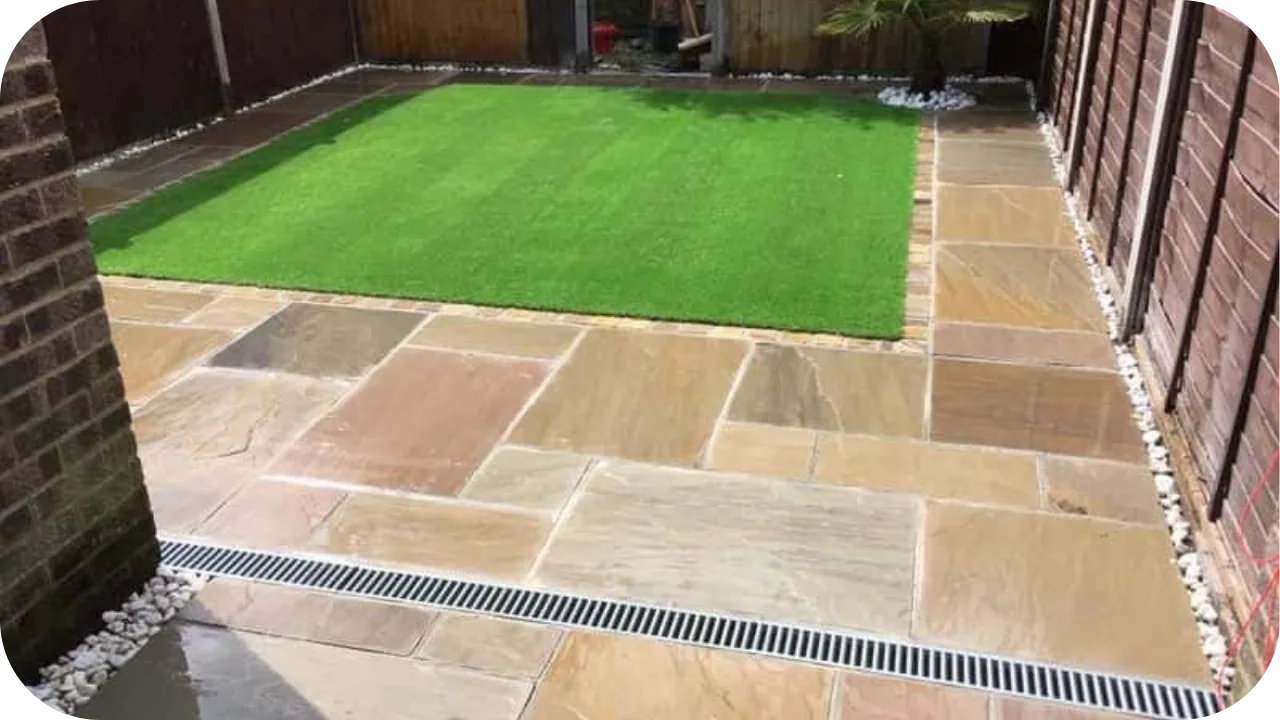
Maximising the space in your courtyard is all about making smart design choices. Here are some tips to help you optimise your courtyard layout, making it feel larger while maintaining a stylish, functional look.
1. Use Larger Pavers for an Expansive Look
Opting for larger paving stones in your courtyard creates the illusion of a bigger space. Larger pavers reduce the number of joints, making the area feel more cohesive and open while maintaining a sleek, modern aesthetic.
2. Blend Pavers with Boundary Walls or Garden Beds
Integrating your paving with surrounding garden beds or boundary walls helps create a seamless transition from the paving to the landscaping. This approach visually expands the space and adds to the courtyard’s overall flow and balance.
3. Incorporate Vertical Greenery to Draw the Eye Up
Vertical greenery, such as climbing plants or trellises, can make your courtyard feel taller and more expansive. By drawing the eye upward, you create depth and add a natural touch that enhances the overall design.
4. Add Water Features or Fire Pits as Focal Points
Incorporating water features or fire pits creates a natural focal point within the courtyard. These features not only add visual interest but also help make the space feel more inviting and complete, encouraging relaxation.
5. Keep Furniture Minimal and Space-Efficient
Opt for compact, functional furniture that doesn’t overcrowd your courtyard. Select pieces that are multi-functional and can be easily moved around to maintain an open feel, allowing for a more spacious and organised outdoor area.
Space-Smart Paving Patterns That Add Visual Impact
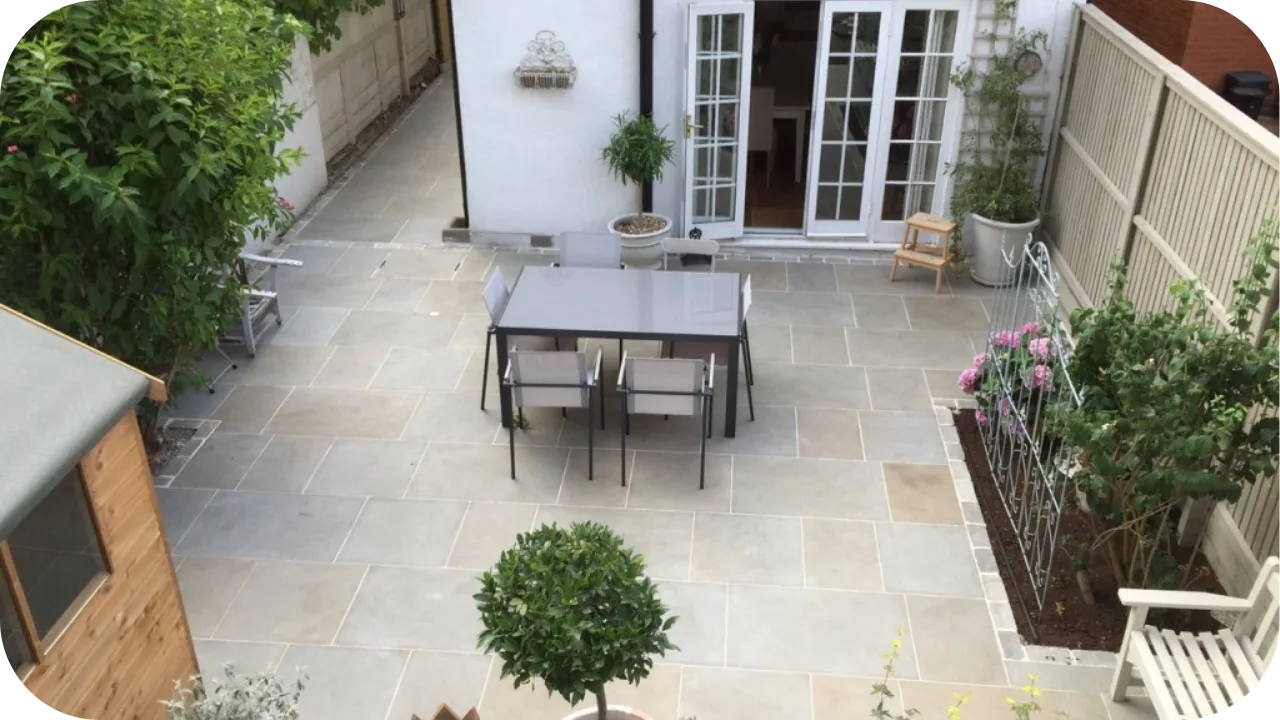
The right paving pattern can transform a small courtyard into a spacious, stylish area. Here are several paving patterns that maximise space and elevate your outdoor space’s visual appeal.
1. Herringbone Pattern
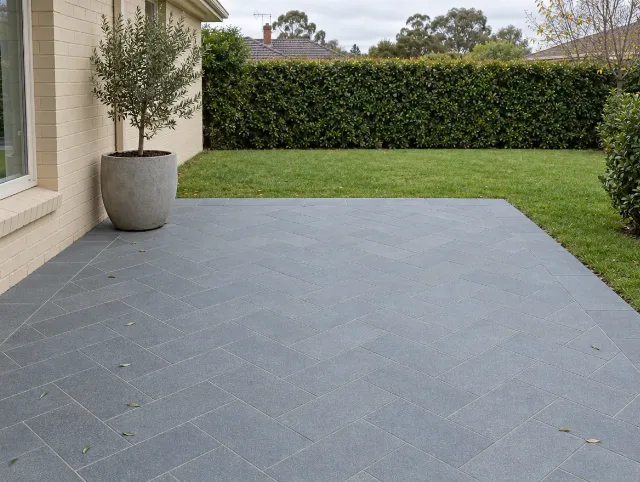
The herringbone pattern creates dynamic movement and flow, making the space appear larger and more engaging. This classic design adds interest and texture to your courtyard, perfect for both small and large areas.
2. French Pattern
The French pattern combines square and rectangular stones to create a sophisticated, dynamic look. Ideal for smaller courtyards, this pattern introduces elegance and breaks up monotony, adding visual intrigue to your outdoor area.
3. Stack Bond Pattern
Stack bond offers a clean, structured design, perfect for smaller symmetrical courtyards. The alignment of stones creates a modern, minimalist look, providing a neat, visually expansive feel while maintaining a contemporary aesthetic.
4. Crazy Paving
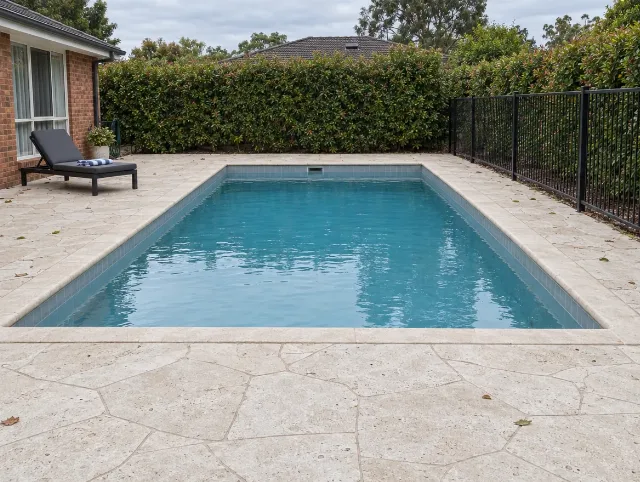
Crazy paving offers an eclectic, irregular layout that brings natural charm to your courtyard. Its random shapes and sizes create a relaxed, organic feel, making it ideal for adding character and uniqueness to outdoor spaces.
5. Running Bond Pattern
The running bond pattern enhances narrow courtyards by elongating the space. With stones laid in a staggered formation, this layout draws the eye along the length of the courtyard, creating the illusion of more space.
Key Factors to Consider Before Choosing Stone Paving
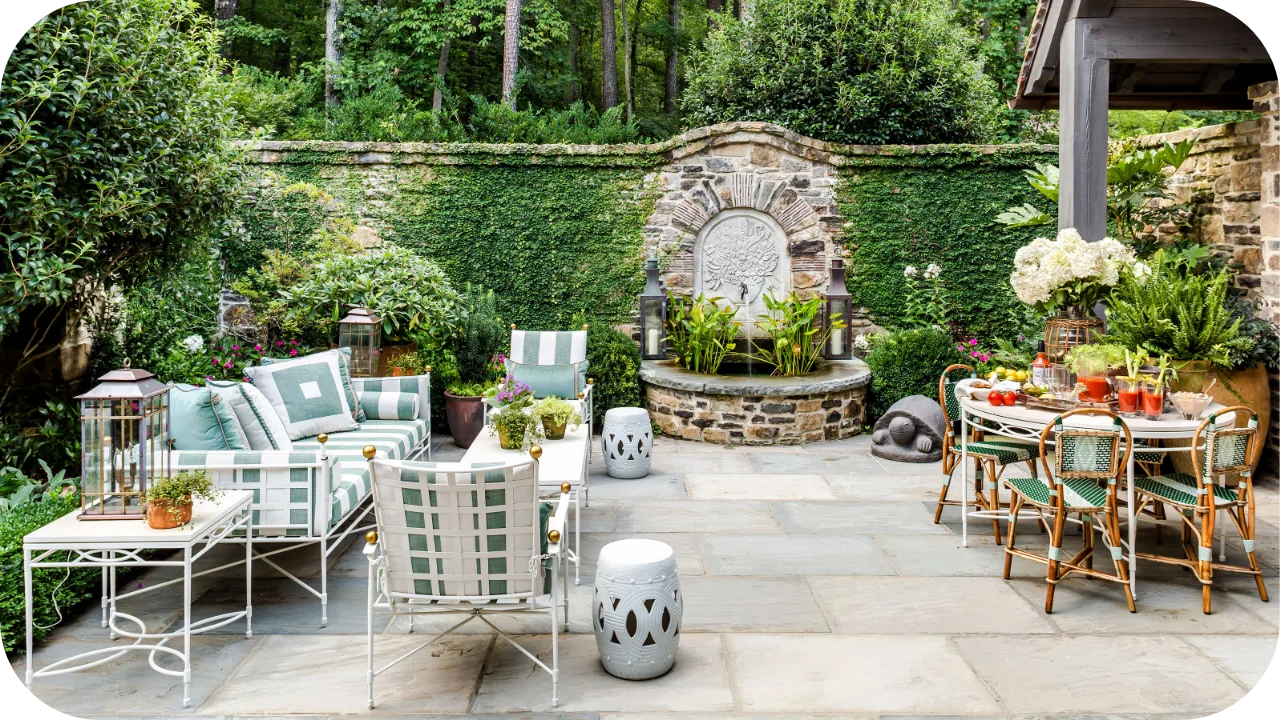
Selecting the right stone paving for your courtyard requires careful consideration of various factors. These key aspects will help ensure that your stone paving meets both functional and aesthetic requirements.
1. Courtyard Size and Layout
Consider the size of your courtyard when choosing stone paving. Larger stones can make small areas appear more expansive, while smaller pavers or intricate patterns can create more visual interest in larger spaces, adding depth and character.
2. Amount of Sun/Shade Exposure
Take into account how much sunlight or shade your courtyard receives. Light-coloured stones like limestone and travertine are perfect for sunny areas, while darker stones like bluestone pavers can complement shaded spaces, adding contrast and warmth.
3. Intended Use: Dining, Relaxing, Planting, etc.
Determine how your courtyard will be used. If for dining or relaxation, consider larger, flat stones for comfort. If planting is a priority, consider porous stones like travertine, which allow water drainage for garden areas.
4. Drainage and Surface Levelling
Proper drainage is essential for maintaining your stone paving. Ensure that the surface is level and that water doesn’t pool in certain areas. Choose stones with the right texture and joint spacing to encourage effective water flow.
5. Budget and Maintenance Expectations
Factor in both initial cost and long-term maintenance when selecting stone. Stones like granite and bluestone are more durable and low-maintenance but may come at a higher cost. Budget accordingly to maintain both appearance and function.
Best Natural Stones for Courtyard Paving
| Material | Look | Suits which courtyard | Maintenance note |
|---|---|---|---|
| Travertine | Warm cream to walnut, subtle banding | Shaded and enclosed courtyards, barefoot areas | Porous, so sealing is usually recommended |
| Limestone | Pale cream to soft grey, fine grain | Small courtyards where light matters most | Porous, so sealing is usually recommended |
| Bluestone | Deep grey to blue-grey, even tone | Contemporary courtyards, high traffic, entries | Darker tone absorbs heat in full sun |
| Granite | Dense, speckled, cool grey to black | Courtyards that carry vehicle or heavy traffic | Very hard wearing, holds colour under UV |
| Porphyry | Grey, brown, red and purple variation | Cobbled and heritage-style courtyards | Naturally varied surface, hides wear well |
| Crazy paving | Irregular pieces, mosaic joint lines | Informal courtyards and irregular boundaries | Wider joints need the right joint filler |
Whichever stone you choose, a courtyard drains slowly, so what you put between the pavers matters more here than it does in an open backyard. A poorly filled joint in an enclosed space holds water rather than shedding it.
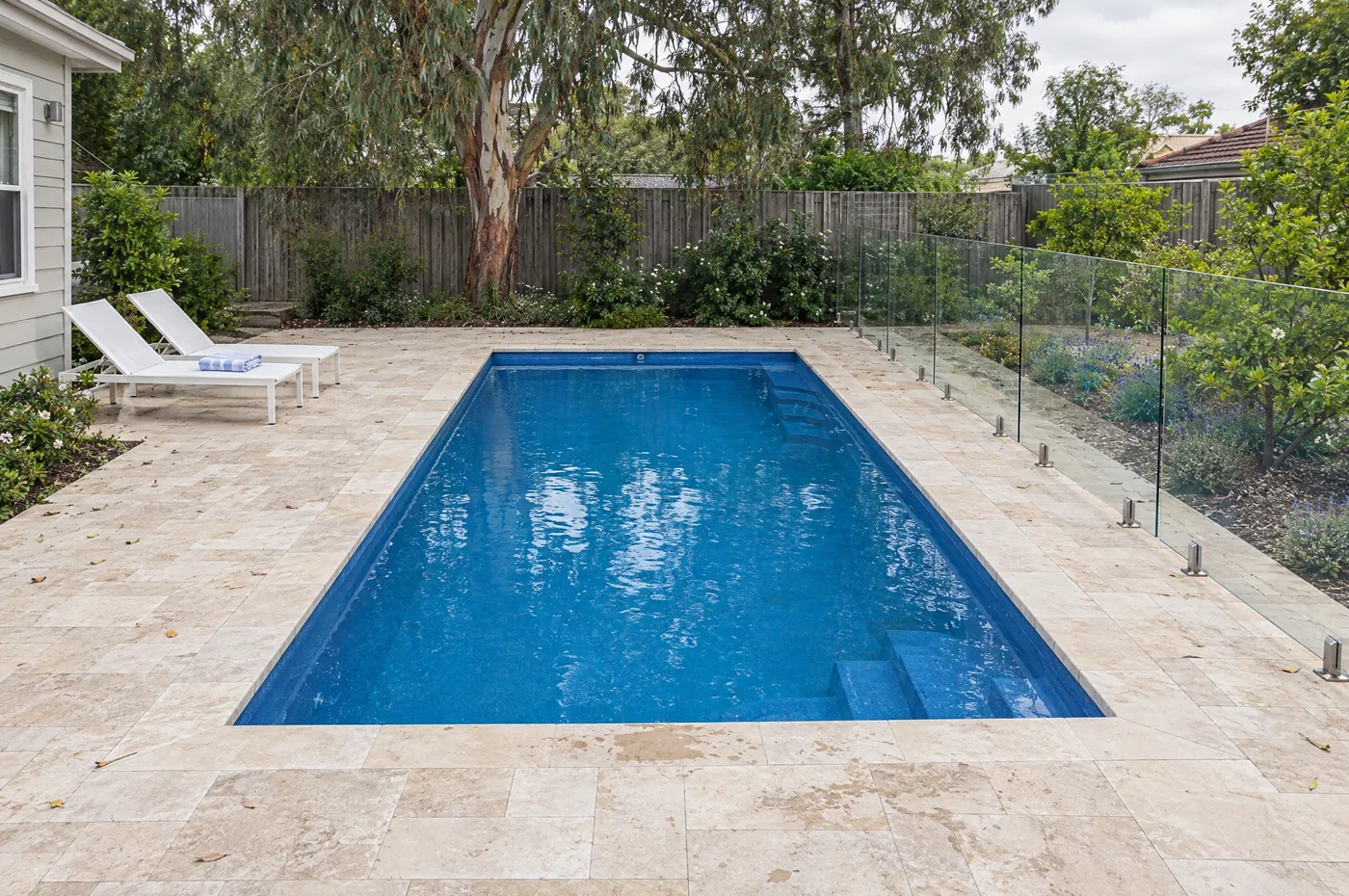
Choosing the right stone for your courtyard paving is crucial for creating a stylish, durable outdoor space. Here are some of the best natural stone options that offer a balance of beauty, strength, and functionality.
- Bluestone: Bluestone’s durability and versatility make it ideal for courtyards. Varieties like Cobbles Bluestone, Flamed Bluestone, and Sawn Bluestone provide a modern aesthetic with texture, making a bold, lasting statement in your outdoor space.
- Granite: Granite is strong and weather-resistant, perfect for high-traffic areas. Varieties like Charcoal Granite and Grey Granite provide a sophisticated, durable finish, suitable for both contemporary and classic courtyard designs.
- Quartzite: Andorra Quartzite is sleek and modern, offering durability and elegance. Its resistance to scratching and fading makes it perfect for contemporary courtyards, ensuring long-lasting beauty with minimal maintenance.
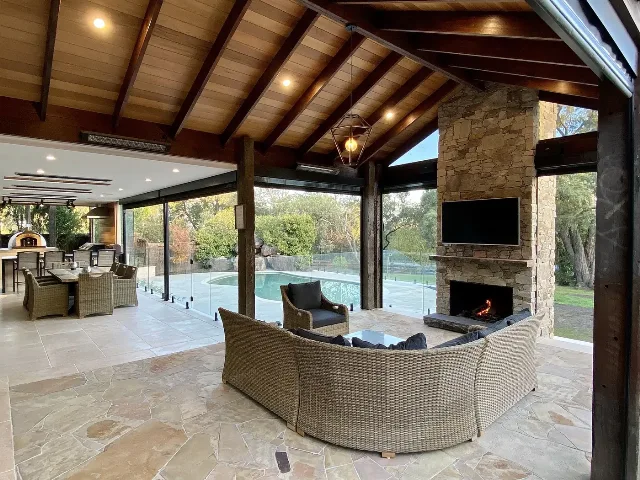
- Travertine: With warm tones like Silver Travertine and Ivory Travertine, travertine adds charm to Mediterranean or rustic-style courtyards. Its unique texture and timeless appeal provide both visual beauty and outdoor durability.
- Limestone: Tuscan Limestone, Brooklyn Limestone, and Himalayan Limestone offer soft, neutral tones and refined textures. These stones are versatile, low-maintenance, and ideal for both modern and traditional courtyard designs.
- Porphyry: Crazy Porphyry and Cobbles Porphyry brings a unique texture and rich colour variations, adding durability and character to high-end courtyard designs.
How to Combine Stone Paving with Other Textures to Maximise Courtyard Space and Impact
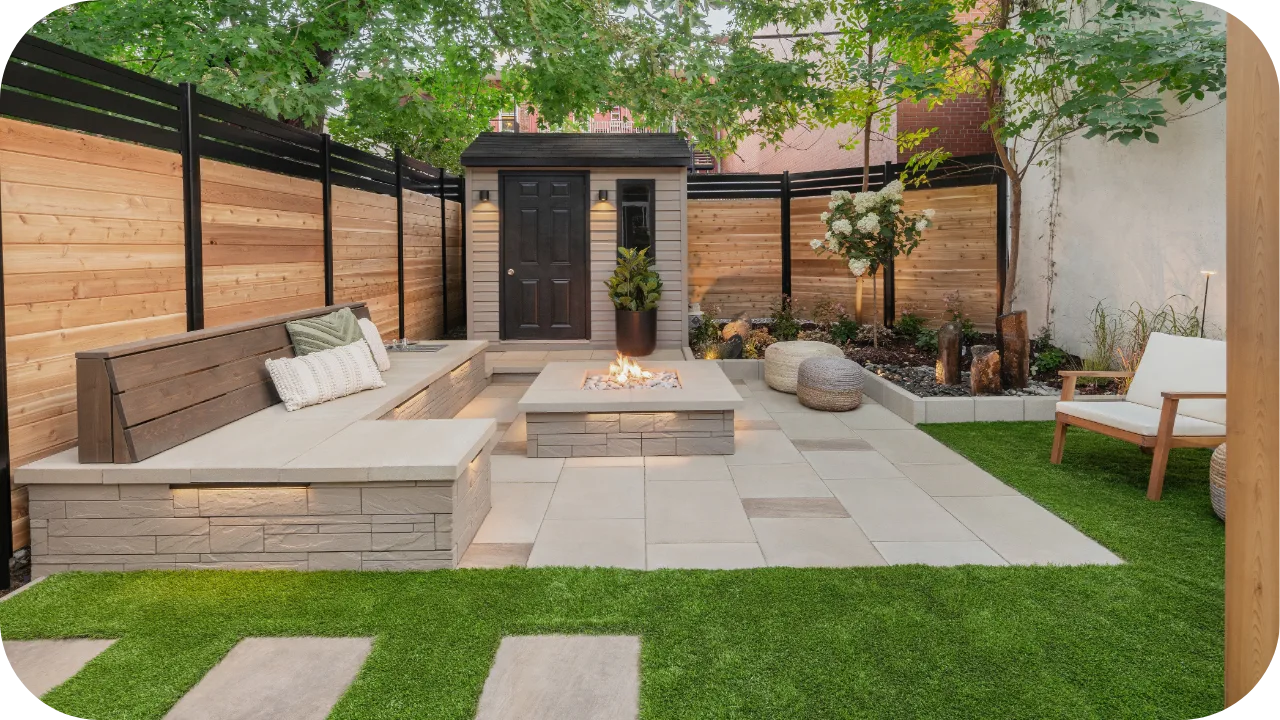
Combining various textures with stone paving can transform your courtyard. Here are creative ideas to blend materials and maximise both the space and impact of your outdoor area.
1. Pair with Timber Decks or Benches
Combining stone paving with timber decking or benches introduces warmth and contrast. The natural look of wood complements the cool, hard surface of stone, creating a balanced, inviting atmosphere that enhances the overall design.
2. Mix with Gravel or Pebbles
For contrast and effective drainage, mix stone paving with gravel or pebbles. This combination provides a unique, textural element while allowing rainwater to flow freely through the spaces between stones, making the area functional and stylish.
3. Use Feature Stone Walls for Texture Layering
Incorporating stone walls into your courtyard design adds depth and texture. Feature walls, such as dry-stacked stone or feature cladding, work well with paving to create a layered look that adds visual interest and dimension.
4. Incorporate Greenery and Planters
Adding greenery through plants and planters can soften the hardness of stone paving. Combine stone with lush greenery to create contrast, bringing life to your courtyard while enhancing the natural look and feel.
5. Combine with Concrete or Rendered Surfaces
Mixing stone paving with smooth concrete or rendered surfaces adds a modern, industrial touch. This contrast in texture highlights the stone’s natural beauty and creates an elegant, sophisticated outdoor area.
Maintenance Tips for Courtyard Stone Paving
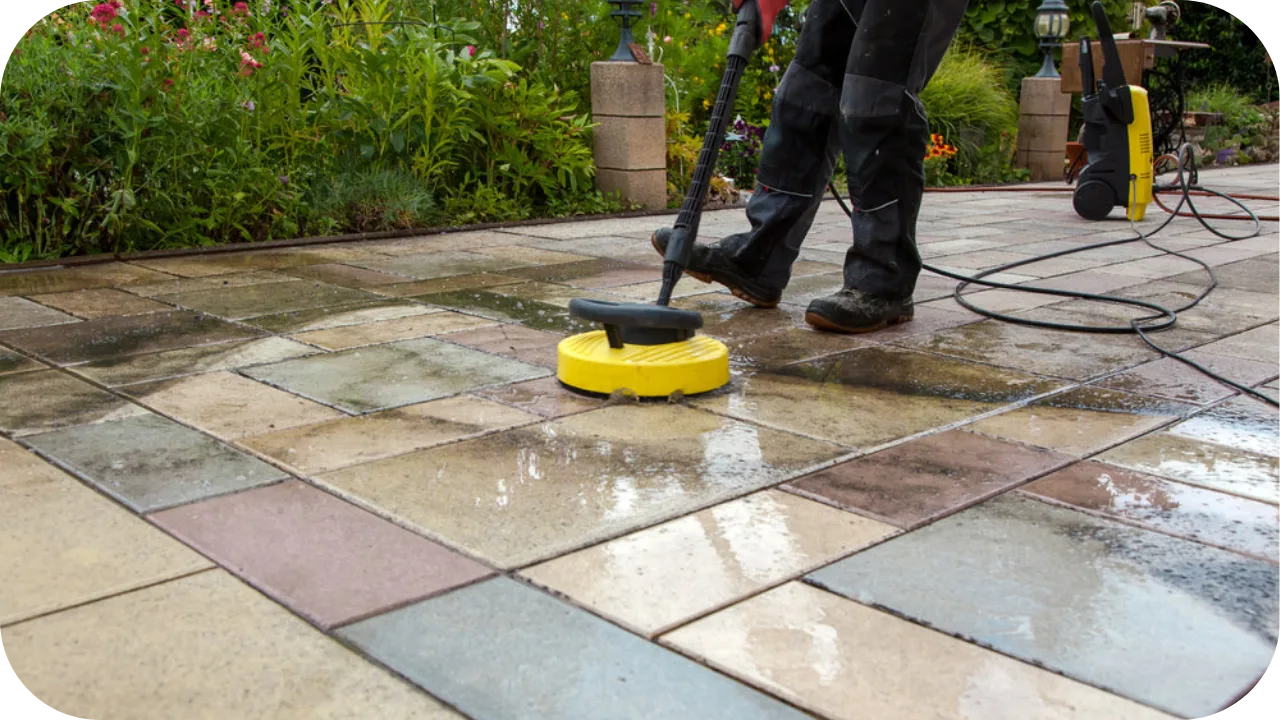
Proper maintenance ensures that your stone paving remains beautiful and functional for years. Here are some essential tips to preserve the appearance and longevity of your stone paving.
- Regularly sweep and clean your paving: Remove dirt, leaves, and debris regularly using a soft-bristled broom or blower to avoid dirt buildup that can cause staining or wear on the surface.
- Use a pH-neutral cleaner for washing: When cleaning stains or grime, always use a pH-neutral detergent to avoid damaging the stone’s finish. Harsh chemicals can erode the surface or strip protective sealants.
- Seal your stones to protect against stains: Apply a high-quality sealer every 1-2 years to protect your stone paving from stains, moisture, and weathering. This helps maintain its natural beauty and prevents long-term damage.
- Fix cracks and chips immediately: Inspect your paving periodically for cracks or chips. Repair any damage promptly to prevent further deterioration and ensure the structural integrity of the stone paving over time.
- Ensure proper drainage: Keep gutters and drainage channels clear to prevent water pooling on the stone surface. Proper drainage will help avoid stains, moss growth, and potential damage to the paving material.
- Maintain seasonal care: During winter, remove any leaves or snow from the paving to avoid moisture buildup. Regularly inspect for damage caused by freeze-thaw cycles, which can cause stones to shift or crack.
Frequently asked questions
What is a paved courtyard?
A paved courtyard is an enclosed or partly enclosed outdoor area surfaced in hard paving rather than lawn or garden bed, usually bounded by the house on one or more sides. In Australian homes it is most often a side return, a rear light court or a small walled garden, and paving is the standard surface because these spaces get too little light and too much traffic for lawn to hold.
What is the cheapest way to pave a patio?
The cheapest outcome usually comes from a simple layout in a standard paver size, laid in a straight pattern with minimal cutting, on a well-prepared base. Reducing the paved area helps more than downgrading the material: gravel with stone insets, or a checkerboard of paving and planting, covers a courtyard for less than a fully paved surface. Site preparation and layout complexity move the total more than the stone choice does.
What are the disadvantages of a courtyard?
The common ones are limited light, slow drainage and restricted access for materials and machinery. Enclosed courtyards hold moisture, which encourages organic growth on paving and keeps surfaces damp longer after rain, so drainage and falls need planning rather than assuming. Narrow side access also adds handling cost to any paving job, because everything comes in by hand.
How do you make a courtyard look nice?
Keep the paving to one material and one tone, use larger pavers with fewer joint lines, and let planting and a single focal point carry the interest. Busy patterns and mixed materials shrink a small space visually. Vertical planting and a boundary treatment that continues the paving tone do more for a courtyard than adding features at ground level.
What size pavers are best for a small courtyard?
Larger-format pavers generally suit a small courtyard better than small ones, because fewer joint lines make the surface read as a single plane and the space feel bigger. Run the longer dimension along the longer axis of the courtyard to stretch it visually. Small units and cobbles still have a place, but as an edge, border or feature rather than the main field.
Does courtyard paving need to be sealed?
Porous stones such as travertine, limestone and sandstone are usually sealed outdoors to reduce staining and make cleaning easier, and that applies as much in a courtyard as anywhere else. Enclosed courtyards drain slowly and stay damp longer, which makes cleaning easier to keep on top of when the surface is sealed. Denser stones such as granite absorb less and may not need it.
Planning your courtyard paving
Choosing the right stone paving for your courtyard not only enhances its visual appeal but also maximises space and functionality.
By selecting the best materials and design patterns, your outdoor space can become a stylish retreat.
Contact Splendour in Stone today to view our extensive range of premium paving options and start creating your perfect courtyard.